U.S. FDA Grants Accelerated Approval to Bristol Myers Squibb's First CELMoD Therapy ZENBEXUS™, in Combination with Daratumumab and Hyaluronidase-fihj and Dexamethasone (ZDd) for Patients with Multiple Myeloma, as Early as First Relapse
U.S. FDA Grants Accelerated Approval to Bristol Myers Squibb's First CELMoD Therapy ZENBEXUS™, in Combination with Daratumumab and Hyaluronidase-fihj and Dexamethasone (ZDd) for Patients with Multiple Myeloma, as Early as First Relapse
Approval based on EXCALIBER-RRMM results showing ZDd doubled minimal residual disease-negative complete response rates versus daratumumab, bortezomib and dexamethasone (41% vs. 21%) in relapsed or refractory multiple myeloma(1)
ZENBEXUS marks the arrival of a new treatment class, representing the next chapter in Bristol Myers Squibb’s targeted protein degradation platform
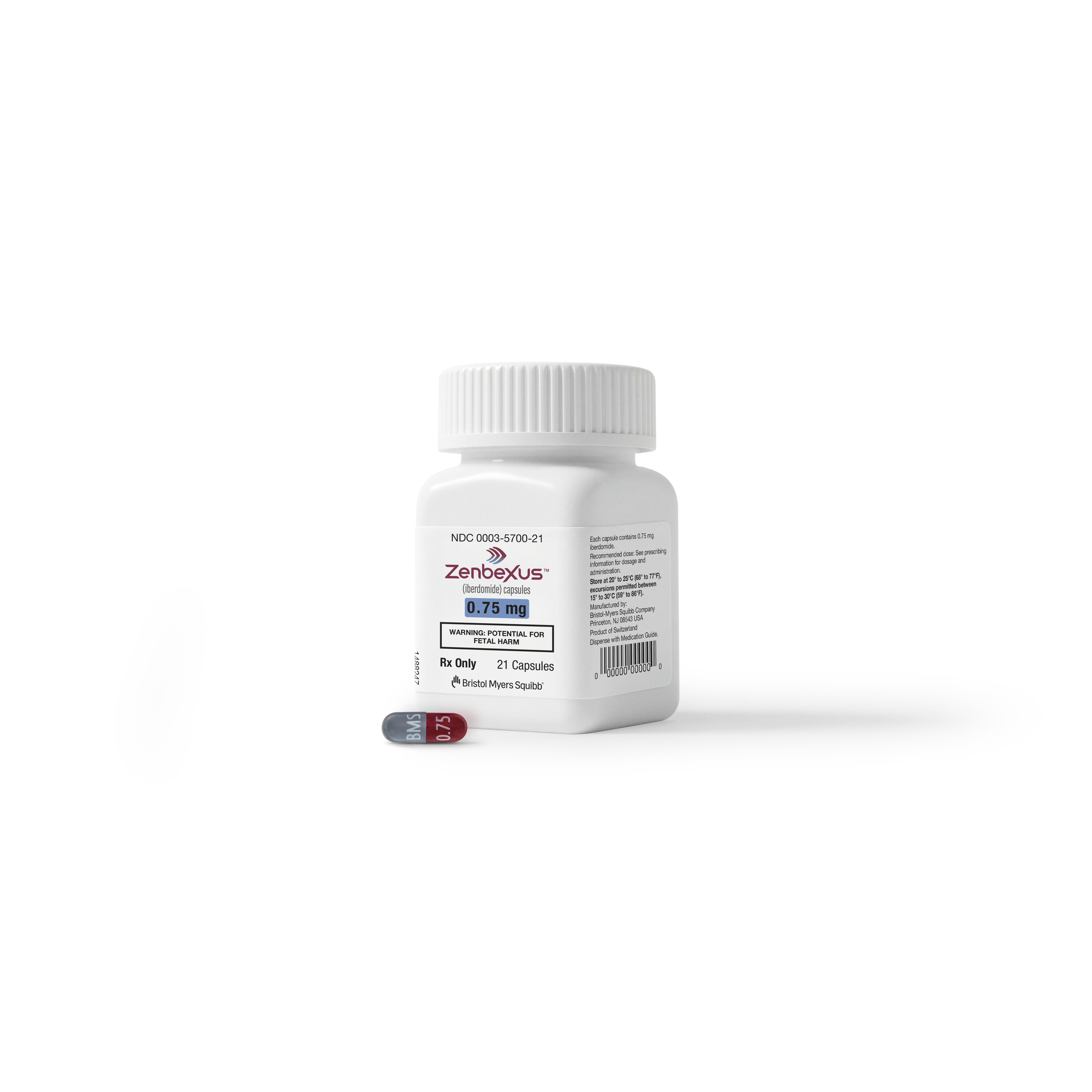
PRINCETON, N.J.--(BUSINESS WIRE)--Bristol Myers Squibb (NYSE: BMY) today announced that the U.S. Food and Drug Administration (FDA) has approved ZENBEXUS™ (iberdomide) in combination with daratumumab and hyaluronidase-fihj and dexamethasone (ZDd) for the treatment of adult patients with multiple myeloma who have received at least one prior line of therapy including a proteasome inhibitor and an immunomodulatory agent.1 Full approval for this indication will be contingent upon verification and description of clinical benefit in the confirmatory trial(s). ZENBEXUS is the first FDA-approved CELMoD, belonging to a new class called cereblon-modulating protein degraders for the treatment of multiple myeloma.1 Please see the Important Safety Information section below, including Boxed WARNINGS for ZENBEXUS regarding embryo-fetal toxicity and venous and arterial thromboembolism. ZENBEXUS is contraindicated in females who are pregnant.1
$BMY announced @US_FDA granted accelerated approval for its first CELMoD in relapsed or refractory #MultipleMyeloma, introducing a new class of treatment.
Share
“Today’s approval of ZENBEXUS represents meaningful progress for patients living with multiple myeloma and underscores the power of our targeted protein degradation platform, particularly our CELMoD programs,” said Cristian Massacesi, MD, chief medical officer and head of development at Bristol Myers Squibb. “As the first approved CELMoD, ZENBEXUS marks the arrival of a new treatment class and is an important milestone in our efforts to expand what is possible for patients with multiple myeloma. And we believe this is only the beginning. This approval validates years of scientific research and strengthens our confidence in the potential of this approach as we continue to advance our innovative pipeline on behalf of patients with significant unmet needs.”
Approval of ZENBEXUS is based on results from the Phase 3 EXCALIBER-RRMM trial evaluating ZENBEXUS, daratumumab and hyaluronidase-fihj and dexamethasone (ZDd; n=207) compared to daratumumab, bortezomib and dexamethasone (DVd; n=213) in patients with RRMM.1 At a median follow-up of 16 months, results showed treatment with ZDd demonstrated a statistically significant improvement in one of the dual primary endpoints of minimal residual disease (MRD)-negative complete response (CR) in 41% of patients (n=85; 95% CI: 34-48) vs. 21% of patients (n=44; 95% CI: 15-27) treated with DVd (p < 0.0001).1 MRD-negativity is among the deepest measures of response in multiple myeloma and is considered predictive of improved progression-free survival (PFS).2 This FDA decision marks the first approval in relapsed or refractory multiple myeloma based on MRD-negative CR.
“The FDA approval of iberdomide marks the anticipated arrival of a new therapeutic class for relapsed or refractory multiple myeloma and has the potential to make a meaningful difference for patients,” said Sagar Lonial, MD, FACP, FASCO, EXCALIBER-RRMM lead investigator and chief medical officer of the Winship Cancer Institute of Emory University. “The strong results observed with the CELMoD-based combination within a familiar triplet approach creates the potential for a new treatment foundation in multiple myeloma.”
The combination of ZDd was observed to have a safety profile that is expected of the combination, with 7.8% of patients discontinuing ZDd due to adverse reactions.1 Among the key safety findings, ZDd can cause serious, life-threatening, or fatal infections and severe neutropenia.1 Neutropenia and infections in patients who received ZDd occurred at a rate of 90.2% and 78.9%, respectively, leading to few discontinuations (1% and 1.5%, respectively).1 The most common adverse reactions (≥20%) in the ZDd arm and DVd arm, respectively, were upper respiratory tract infection (54% and 52%), fatigue (36% and 33%), musculoskeletal pain (35% and 33%), pneumonia (34% and 17%), diarrhea (33% and 36%), motor dysfunction (26% and 17%), rash (26% and 15%), sleep disorder (25% and 28%), hypogammaglobulinemia (24% and 12%), COVID-19 (23% and 16%), and constipation (20% and 22%).1 Serious adverse reactions in ≥2% of patients included pneumonia (26%), upper respiratory tract infection (6.4%), second primary malignancy (5.9%), neutropenia (4.9%), febrile neutropenia (3.9%), COVID-19 (4.4%), and sepsis (2.9%).1 Fatal adverse reactions occurred in 10 patients (4.9%) who received ZENBEXUS.1 Sepsis (1.5%) was the only fatal drug reaction that occurred in more than 1 patient.1 The following fatal adverse reactions occurred in 1 patient each: listeria encephalitis, influenza, lung adenocarcinoma, cardiac arrest, large intestine perforation, metabolic acidosis, and respiratory failure.1
“The goal for every person living with multiple myeloma is not simply to live longer, but to live well,” said Heather Cooper Ortner, president and chief executive officer of the International Myeloma Foundation. “That is why it is important to have access to effective therapeutic options, particularly in the community setting where the majority of myeloma care is delivered. This approval represents an important step forward by expanding treatment options for patients facing their first relapse. Every new option gives patients and their healthcare teams additional choices as treatment needs evolve, as well as renewed hope for the future.”
ZENBEXUS was granted Breakthrough Therapy designation and accelerated approval based on MRD-negative CR at any time in the EXCALIBER-RRMM study.1 This review was conducted under the FDA’s Project Orbis initiative, which enables concurrent review by the health authorities in several other countries.
While ZENBEXUS is the first FDA approved CELMoD therapy, a New Drug Application for mezigdomide, an investigational CELMoD, in combination with carfilzomib and dexamethasone is also currently under review with the FDA with a Prescription Drug User Fee Act target date of May 13, 2027.
Bristol Myers Squibb offers various programs and resources to address the needs of patients and caregivers, and provides support that allows for access to therapies, including ZENBEXUS.
About EXCALIBER-RRMM
EXCALIBER-RRMM (NCT04975997) is a Phase 3, multicenter, two-stage, randomized, open-label study evaluating the efficacy and safety of ZENBEXUS (iberdomide) in combination with daratumumab and hyaluronidase-fihj and dexamethasone (ZDd) versus daratumumab, bortezomib, and dexamethasone (DVd) in patients with relapsed or refractory multiple myeloma (RRMM).2 The study included a dose optimization stage and was designed to assess dual-primary endpoints of minimal residual disease (MRD) negativity and progression-free survival (PFS), with additional secondary endpoints including overall survival (OS), overall response rate (ORR), safety and sustained MRD negativity.2 The study remains ongoing to assess the primary endpoint of PFS. Eligible participants included adults with 1 to 2 prior lines of anti-myeloma therapy and progressive disease.2 A total of 939 patients were randomized.1 The primary efficacy population for MRD negativity included the first 420 patients randomized to the ZENBEXUS (1 mg) + Dd arm (n=207) or the comparator daratumumab, bortezomib, and dexamethasone (DVd) arm (n=213).1 Treatment in both arms was administered until disease progression or unacceptable toxicity.1
This approval, the first in RRMM based on MRD-negative complete response (CR), marks the first public disclosure of MRD-negative CR data from the EXCALIBER-RRMM trial. The MRD data were first disclosed at the time of approval to preserve the integrity of the study while additional endpoints mature. The study remains ongoing, with patients continuing to be evaluated for PFS, one of the trial's dual primary endpoints. Full data from EXCALIBER-RRMM are expected this year.
About Minimal Residual Disease (MRD)
Minimal residual disease (MRD) refers to the small number of cancer cells that may remain in a patient’s body after treatment and are undetectable using conventional diagnostic methods.3 In multiple myeloma, MRD assessment has emerged as a highly sensitive and clinically meaningful tool for evaluating treatment response.3 MRD negativity does not necessarily mean all cancer cells are gone.3
Modern MRD detection methods, such as next-generation sequencing (NGS) and next-generation flow cytometry (NGF), can identify one malignant cell among 100,000 (threshold for MRD) to 1,000,000 normal cells, offering unprecedented precision in measuring disease burden.3 MRD is increasingly being used in clinical trials as a surrogate endpoint for progression-free survival (PFS) and is gaining recognition from regulatory authorities for its role in accelerating approval timelines.2
Indication
ZENBEXUS (iberdomide) in combination with daratumumab and hyaluronidase-fihj and dexamethasone is indicated for the treatment of adult patients with multiple myeloma who have received at least 1 prior line of therapy including a proteasome inhibitor and an immunomodulatory agent.
This indication is approved under accelerated approval based on minimal residual disease (MRD)-negative complete response (CR) at any time. Continued approval for this indication may be contingent upon verification and description of clinical benefit in a confirmatory trial(s).
IMPORTANT SAFETY INFORMATION
WARNING: EMBRYO-FETAL TOXICITY and SERIOUS VENOUS AND ARTERIAL THROMBOEMBOLISM
EMBRYO-FETAL TOXICITY
ZENBEXUS is contraindicated in pregnancy. ZENBEXUS is embryo-fetal toxic in animals and can cause birth defects or embryo-fetal death in humans. In females of reproductive potential, obtain 2 negative pregnancy tests before starting ZENBEXUS treatment.
Females of reproductive potential must use 2 effective forms of contraception or continuously abstain from heterosexual sex during and for 4 weeks after last dose of ZENBEXUS treatment.
Because of the risk of embryo-fetal toxicity, ZENBEXUS is only available through a restricted distribution program called ZENBEXUS REMS.
SERIOUS VENOUS AND ARTERIAL THROMBOEMBOLISM
Increased risk of deep vein thrombosis (DVT), pulmonary embolism (PE), myocardial infarction, and stroke in patients with multiple myeloma receiving ZENBEXUS with daratumumab and hyaluronidase-fihj and dexamethasone. Anti-thrombotic prophylaxis is recommended.
|
CONTRAINDICATIONS
Based on the mechanism of action and findings in animal studies, ZENBEXUS can cause birth defects or embryo-fetal death in humans. ZENBEXUS is contraindicated in females who are pregnant. If this drug is used during pregnancy or if the patient becomes pregnant while taking this drug, the patient should be informed of the potential hazard to a fetus.
WARNINGS AND PRECAUTIONS
Embryo-Fetal Toxicity
Females of Reproductive Potential: Must avoid pregnancy while taking ZENBEXUS and for at least 4 weeks after completing therapy. Advise females of reproductive potential of the potential risk to a fetus and to use 2 methods of effective contraception for at least 4 weeks before beginning ZENBEXUS therapy, during therapy, during dose interruptions and for at least 4 weeks after the last dose of ZENBEXUS therapy. Refer patients who can become pregnant to a qualified provider of contraceptive methods, if needed.
Two negative pregnancy tests with a sensitivity of at least 25 mIU/mL must be obtained prior to initiating therapy. Pregnancy testing should be performed weekly during the first 4 weeks of treatment. Thereafter, testing should occur every 4 weeks in patients with regular menstrual cycles, or every 2 weeks in patients with irregular menstrual cycles.
Females of reproductive potential taking ZENBEXUS must not donate eggs during treatment and for 4 weeks after completion.
Males: ZENBEXUS may pass into human semen. Advise patients who can impregnate partners to use effective contraception during treatment and for 4 weeks following the discontinuation of ZENBEXUS therapy. Male patients taking ZENBEXUS must not donate sperm during treatment and for 4 weeks after completion.
Blood Donation: Patients must not donate blood during treatment with ZENBEXUS and for 4 weeks following discontinuation of ZENBEXUS therapy.
ZENBEXUS REMS
ZENBEXUS is available only through a restricted program called ZENBEXUS REMS, because of the risk of embryo-fetal toxicity. Prescribers must be certified with and patients must be enrolled in the ZENBEXUS REMS Program and comply with ongoing monitoring and contraception requirements. Further information about ZENBEXUS REMS, including information for pharmacies, wholesalers, and distributors, is available at www.ZENBEXUSREMS.com or by telephone at 1-888-423-5436.
Serious Venous and Arterial Thromboembolism
ZENBEXUS can cause serious and life-threatening venous thromboembolic events (DVT and PE) and arterial thromboembolic events (myocardial infarction and stroke). In the EXCALIBER-RRMM study (N=204), venous thromboembolic events occurred in 6.4% of patients treated with ZENBEXUS combined with daratumumab and hyaluronidase-fihj and dexamethasone (IberDd) despite mandatory thromboembolism prophylaxis. The incidence of DVT was 3.4% and the incidence of PE was 1.5%.
Arterial thromboembolic events occurred in 3.4% of patients. The incidence of myocardial infarction was 2.0%, and the incidence of stroke (CVA) was 1.5%.
Monitor patients for signs and symptoms of thromboembolic events during treatment with ZENBEXUS. Patients with known risk factors, including prior thrombosis, may be at greater risk, and actions should be taken to try to minimize all modifiable factors (e.g., hyperlipidemia, hypertension, smoking). Thromboprophylaxis is recommended, and the choice of regimen should be based on assessment of the patient's underlying risk factors. In patients who develop a thromboembolism, interrupt ZENBEXUS and initiate anticoagulant therapy according to guidelines.
Neutropenia
ZENBEXUS can cause severe neutropenia. In the EXCALIBER-RRMM study, all-grade neutropenia was reported in 90.2%, Grade 3 in 30.9%, and Grade 4 in 53.4% of patients in the IberDd arm. Febrile neutropenia occurred in 5.4% of patients.
Monitor complete blood count throughout treatment with ZENBEXUS. Interrupt, reduce dosage, or discontinue ZENBEXUS, as necessary. Initiate granulocyte colony-stimulating factor (GCSF) as appropriate per guidelines.
Infections
ZENBEXUS can cause serious infections, including life-threatening or fatal infections. Patients with active or uncontrolled infection should not start ZENBEXUS treatment until the infection is controlled. In the EXCALIBER-RRMM study, infections, including opportunistic infections, were reported in 78.9%, Grade 3 in 35.8%, Grade 4 in 3.4%, and fatal infections in 2% of patients receiving IberDd. Serious infections occurred in 40% of patients. Discontinuations due to infections occurred in 1.5% of patients.
Monitor patients for signs and symptoms of infection prior to and during treatment with ZENBEXUS and treat appropriately. Withhold or reduce the dose based on severity.
Consider prophylactic anti-infective medications according to current practice guidelines.
Second Primary Malignancies
In the EXCALIBER-RRMM study, at a median follow-up time of 16 months, second primary malignancies (SPM) occurred in 6.9% of patients in the IberDd arm and 4.9% of patients in the daratumumab and hyaluronidase-fihj, bortezomib, and dexamethasone (DVd) arm.
Monitor patients for the development of SPM.
ADVERSE REACTIONS
Serious adverse reactions occurred in 58.3% of patients receiving ZENBEXUS. Serious adverse reactions in ≥2% of patients included pneumonia (26%), upper respiratory tract infection (6.4%), SPM (5.9%), neutropenia (4.9%), febrile neutropenia (3.9%), COVID-19 (4.4%), and sepsis (2.9%). Fatal adverse reactions occurred in 10 patients (4.9%) who received ZENBEXUS. Sepsis (1.5%) was the only fatal drug reaction that occurred in more than 1 patient. The following fatal adverse reactions occurred in 1 patient each: listeria encephalitis, influenza, lung adenocarcinoma, cardiac arrest, large intestine perforation, metabolic acidosis, and respiratory failure.
The most common adverse reactions (≥20%) in the IberDd arm and DVd arm, respectively, were upper respiratory tract infection (54% and 52%), fatigue (36% and 33%), musculoskeletal pain (35% and 33%), pneumonia (34% and 17%), diarrhea (33% and 36%), motor dysfunction (26% and 17%), rash (26% and 15%), sleep disorder (25% and 28%), hypogammaglobulinemia (24% and 12%), COVID-19 (23% and 16%), and constipation (20% and 22%).
The most common Grade 3 to 4 laboratory abnormalities (≥30%) in the IberDd arm and DVd arm, respectively, were neutropenia (77% and 11%), leukopenia (69% and 18%), and lymphopenia (62% and 51%).
DRUG INTERACTIONS
Effects of Other Drugs on ZENBEXUS
Strong or Moderate CYP3A Inhibitors: Coadministration of ZENBEXUS with strong or moderate CYP3A inhibitors should be avoided. If a strong or moderate CYP3A inhibitor must be used in combination with ZENBEXUS, reduce the ZENBEXUS dose. Concomitant use with strong or moderate CYP3A inhibitors may increase the risk of adverse reactions.
Strong or Moderate CYP3A Inducers: Coadministration of ZENBEXUS with strong or moderate CYP3A inducers should be avoided. Concomitant use with a strong or moderate CYP3A inducer may decrease the efficacy of ZENBEXUS.
SPECIFIC POPULATIONS
Pregnancy (See the BOXED WARNINGS)
There is a pregnancy exposure registry that monitors outcomes in patients exposed to ZENBEXUS during pregnancy. See the ZENBEXUS REMS WARNINGS AND PRECAUTIONS section.
Lactation
Advise women not to breastfeed during treatment with ZENBEXUS. Refer to the Prescribing Information for daratumumab hyaluronidase-fihj or dexamethasone for additional information.
Females and Males of Reproductive Potential
ZENBEXUS can cause fetal harm when administered during pregnancy.
Pregnancy Testing, Females of Reproductive Potential, and Males: See the Embryo-Fetal Toxicity WARNINGS AND PRECAUTIONS section.
Geriatric Use
In patients treated with IberDd, the incidence of serious adverse reactions was 53%, 56%, and 74% in adult patients younger than 65 years of age, 65 years of age to younger than 75 years of age, and 75 years of age and older, respectively.
Renal Impairment
Reduce the ZENBEXUS dose in patients with estimated glomerular filtration rate (eGFR) less than 30 mL/min/1.73 m2 not on dialysis. If dose modification is needed due to adverse events, reduce the ZENBEXUS dose to 1 mg every other day on Days 1 to 21 of a 28-day cycle.
Please see full Prescribing Information for ZENBEXUS including Boxed WARNINGS.
About Targeted Protein Degradation and CELMoD
Targeted protein degradation (TPD) is a differentiated research platform at Bristol Myers Squibb built on more than two decades of scientific expertise, providing new avenues to degrade therapeutically relevant proteins that were previously considered difficult to address. BMS is the only company that has successfully developed and commercialized protein degrader agents for the treatment of multiple myeloma. These agents, known as immunomodulatory drugs (IMiDs), helped establish the current standard of care in the treatment of this disease, which remains without a cure. BMS is building on this foundation with several investigational protein degraders in clinical trials, leveraging three different modalities including cereblon E3 ligase modulators (CELMoDs), ligand-directed degraders (LDDs), and degrader antibody conjugates (DACs). This three-pronged approach enables matching the right therapeutic modality to a molecular mechanism of action to modulate targets most effectively and ultimately provides more opportunities for potential breakthroughs that may offer meaningful new options for patients across a broad range of diseases, in and beyond hematology and oncology. Learn more about the science behind TPD at Bristol Myers Squibb here.
About Ongoing Trials
ZENBEXUS™ is also being evaluated in the EXCALIBER Maintenance study.
About Bristol Myers Squibb: Transforming Patients' Lives Through Science
At Bristol Myers Squibb, our mission is to discover, develop and deliver innovative medicines that help patients prevail over serious diseases. We are pursuing bold science to define what's possible for the future of medicine and the patients we serve. For more information about Bristol Myers Squibb, visit us at BMS.com or follow us on LinkedIn, X, YouTube, Facebook and Instagram.
Cautionary Statement Regarding Forward-Looking Statements
This press release contains “forward-looking statements” within the meaning of the Private Securities Litigation Reform Act of 1995 regarding, among other things, the research, development and commercialization of pharmaceutical products. All statements that are not statements of historical facts are, or may be deemed to be, forward-looking statements. Such forward-looking statements are based on current expectations and projections about our future financial results, goals, plans and objectives and involve inherent risks, assumptions and uncertainties, including internal or external factors that could delay, divert or change any of them in the next several years, that are difficult to predict, may be beyond our control and could cause our future financial results, goals, plans and objectives to differ materially from those expressed in, or implied by, the statements. These risks, assumptions, uncertainties and other factors include, among others, whether ZENBEXUS™(iberdomide) in combination with daratumumab and hyaluronidase-fihj and dexamethasone (ZDd) for the indication described in this release will be commercially successful, any marketing approvals, if granted, may have significant limitations on their use, and, that continued approval of ZENBEXUS™ (iberdomide) in combination with daratumumab and hyaluronidase-fihj and dexamethasone (ZDd) described in this release may be contingent upon verification of progression-free survival, the dual primary endpoint of the EXCALIBER-RRMM trial and potential further verification and description of clinical benefit in confirmatory trials. No forward-looking statement can be guaranteed. Forward-looking statements in this press release should be evaluated together with the many risks and uncertainties that affect Bristol Myers Squibb’s business and market, particularly those identified in the cautionary statement and risk factors discussion in Bristol Myers Squibb’s Annual Report on Form 10-K for the year ended December 31, 2025, as updated by our subsequent Quarterly Reports on Form 10-Q, Current Reports on Form 8-K and other filings with the Securities and Exchange Commission. The forward-looking statements included in this document are made only as of the date of this document and except as otherwise required by applicable law, Bristol Myers Squibb undertakes no obligation to publicly update or revise any forward-looking statement, whether as a result of new information, future events, changed circumstances or otherwise.
corporatefinancial-news
References
- ZENBEXUS Prescribing Information. ZENBEXUS U.S. Product Information. August 2026. Princeton, N.J.: Bristol Myers Squibb Company.
- Lonial S, Dimopoulos MA, Berdeja JG, et al. EXCALIBER-RRMM: a phase III trial of iberdomide, daratumumab, and dexamethasone in relapsed/refractory multiple myeloma. Future Oncol. 2025;21(14):1761-1769. doi:10.1080/14796694.2025.2501920
- Szalat RE, Anderson KC, Munshi NC. Role of minimal residual disease assessment in multiple myeloma. Haematologica. 2024;109(7):2049-2059. doi:10.3324/haematol.2023.284662.
Contacts
Bristol Myers Squibb
Media Inquiries:
media@bms.com
Investors:
investor.relations@bms.com