Feinstein Institutes’ Study Discovers That Mitochondrial Transplantation Improves Survival and Outcomes After Cardiac Arrest
Feinstein Institutes’ Study Discovers That Mitochondrial Transplantation Improves Survival and Outcomes After Cardiac Arrest

MANHASSET, N.Y.--(BUSINESS WIRE)--Mitochondria are organelles in our cells that act like batteries, processing the food we eat into energy. Through a series of studies, researchers at The Feinstein Institutes for Medical Research have shown that mitochondria transplantation (MTx), delivering new mitochondria to critical tissues, can improve survival and neurological outcomes after cardiac arrest.
MTx is an emerging technology with the potential to help improve function in cells damaged by ischemia – lack of blood flow and oxygen – and treat many conditions like cardiac arrest or stroke. The research, led by Lance Becker, MD, professor in the Institute of Bioelectronic Medicine, published today in BMC Medicine, studied the ability and efficacy of mitochondria transplantation in a test tube (in vivo) and the effects of transplantation in animal rat models (in vitro).
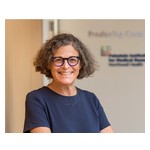
“When our body, brain and organs fail to get enough oxygen, whether after a heart attack or otherwise, complications arise and survival decreases. Mitochondrial transplantation is a brand-new concept where we replace injured mitochondria with brand new mitochondria,” said Dr. Becker, who is also the chair of emergency medicine at Northwell Health’s North Shore University Hospital, Long Island Jewish Medical Center, Donald and Barbara Zucker School of Medicine at Hofstra/Northwell and the Dorothy and Jack Kupferberg Professor of Emergency Medicine. “Mitochondria transplantation is an untapped area of research and therapy that could lead to clinical benefits to restore much-needed energy. It could even restore brain function in people after a serious life-threatening bout of oxygen deprivation.”
The team induced cardiac arrest in animal rat models, then observed the effects of fresh mitochondria transplanted from the brain and muscles and compared the impact with non-functional frozen-thawed mitochondria. The results showed that the animals receiving fresh mitochondria infusion improved neurological function and survival, from 55 percent to 91 percent, after cardiac arrest and resuscitation.
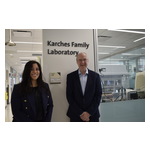
“Dr. Becker and his team are pursuing an innovative strategy to enhance recovery from cardiac arrest,” said Kevin J. Tracey, MD, president and CEO of the Feinstein Institutes and Karches Family Distinguished Chair in Medical Research. “Now they have discovered important new evidence suggesting that the administration of mitochondria, the powerhouse of cells, can protect the brain, lungs and other organs.”
There have been early human clinical trials observing the effects of MTx, which support the need for further translational research. The results from Dr. Becker and his team’s work may help promote further studies on the use of MTx. Many unanswered questions remain and ongoing studies at the Feinstein Institutes are focused on determining the uptake mechanisms, discovering which tissues and cells take up the most infused mitochondria and defining the timeline for optimal transplanted mitochondria.
About the Feinstein Institutes
The Feinstein Institutes for Medical Research is the home of the research institutes of Northwell Health, the largest health care provider and private employer in New York State. Encompassing 50 research labs, 3,000 clinical research studies and 5,000 researchers and staff, the Feinstein Institutes raises the standard of medical innovation through its five institutes of behavioral science, bioelectronic medicine, cancer, health system science, and molecular medicine. We make breakthroughs in genetics, oncology, brain research, mental health, autoimmunity, and are the global scientific leader in bioelectronic medicine – a new field of science that has the potential to revolutionize medicine. For more information about how we produce knowledge to cure disease, visit http://feinstein.northwell.edu and follow us on LinkedIn
Contacts
Matthew Libassi
631-793-5325
mlibassi@northwell.edu