NTHU Unveils Ray of Hope for Improving Dementia Treatment
NTHU Unveils Ray of Hope for Improving Dementia Treatment
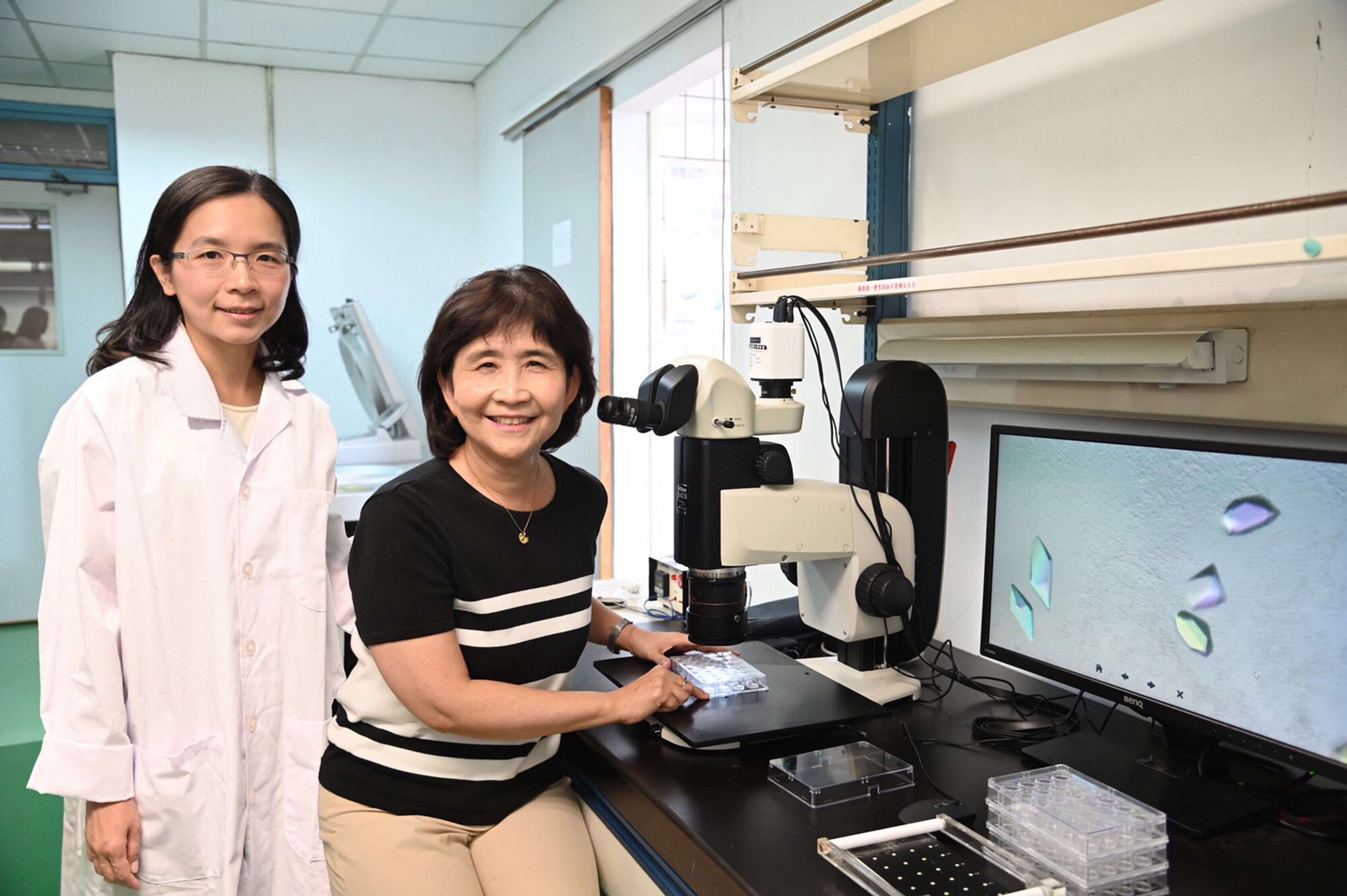
HSINCHU, Taiwan--(BUSINESS WIRE)--One of the causes of neurodegenerative diseases such as Parkinson's and Alzheimer's is the calcification of the basal nucleus of the brain, which blocks the membrane protein channels on the surface of brain cells, preventing the transmission of signal molecules and nutrients to the cells. A research team led by Professor Sun Yuh-Ju of the Institute of Bioinformatics and Structural Biology, working in conjunction with Chwan-Deng Hsiao’s laboratory at Academia Sinica’s Institute of Molecular Biology, has recently solved the mystery which has long surrounded the molecular structure of the “phosphate transporter” and their findings are expected to have a significant impact on research into the treatment of dementia. The team’s research finding has been published in the August issue of Science Advances.
According to Sun, membrane proteins, such as receptors, transporters and channels, are responsible for transmitting signals and supplying energy to cells, and therefore play a very important role in the development of pharmaceuticals. Human phosphate transporter (hPiT) is an important membrane protein for transporting phosphate and sodium ions into brain cells. But pathological changes can block this transport, allowing calcium phosphate to precipitate on the surface of the cell membrane, which will eventually lead to calcification of the basal nucleus, thereby producing the neurodegenerative symptoms typical of Parkinson’s disease and Alzheimer’s disease.
Sun said that analyzing the human phosphate transporter and locating the site of the patients’ variants are important in finding a treatment for brain calcification. The next step is to cooperate with physicians in designing drugs based on this structure, using computer calculations and simulations in conducting experiments to identify small chemical molecules effective in restoring the normal functioning of membrane proteins. Chwan-Deng Hsiao, who specializes in biophysics, played a key role in this innovative research. After Sun's research team analyzed the three-dimensional structure of the human phosphate transporter, Hsiao used an artificial cell membrane to determine whether a mutation at the target location would prevent the membrane protein from transporting phosphate.
There are more than 30,000 kinds of proteins in the human body, amongst which membrane proteins are the most important, and least understood, which is why Sun has made it the focus of her research. It took 5 years to analyze the molecular structure of the phosphate transporter.
The first step in analyzing the molecular structure of membrane protein is to cultivate the membrane protein crystal. Human phosphate transporter crystal that is only one-tenth the size of a sesame grain, Sun said that its angular, glittering, and translucent form contains important information on molecular structure, such that it’s “more precious and beautiful than a diamond.”
The team member in charge of growing the membrane protein crystals was Tsai Jia-Yin, a postdoctoral researcher at NTHU’s Institute of Bioinformatics and Structural Biology.
Contacts
Holly Hsueh
NTHU
(886)3-5162006
hoyu@mx.nthu.edu.tw