Feinstein Institutes’ Scientists Identify Potential Metabolic Pathway to Increase Septic Survival
Feinstein Institutes’ Scientists Identify Potential Metabolic Pathway to Increase Septic Survival
Findings published in Advance Sciences reveal a novel molecular reaction that slows down sugar metabolism, reducing inflammatory cell death
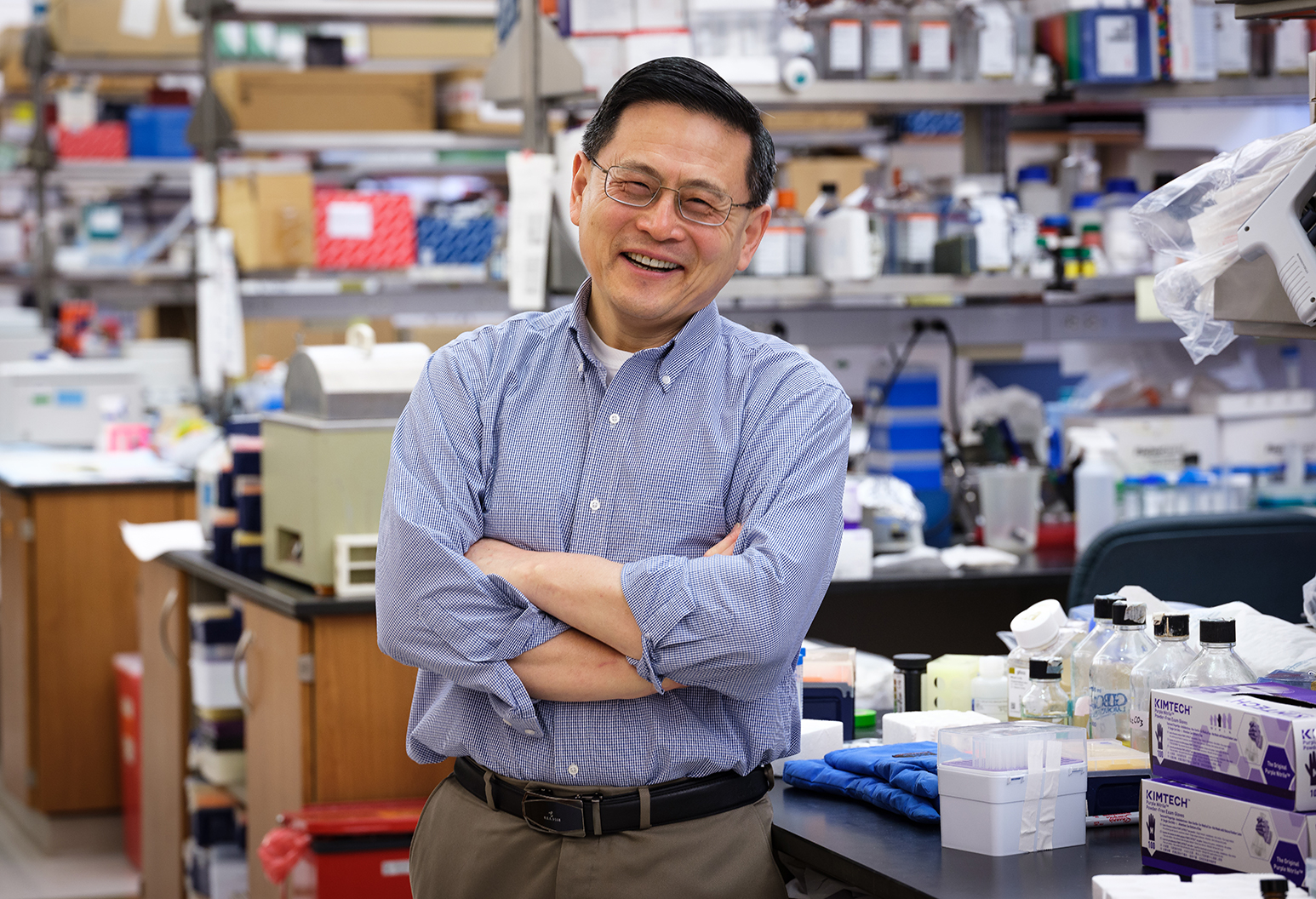
MANHASSET, N.Y.--(BUSINESS WIRE)--Researchers are closing in on new ways to control dangerous levels of inflammation, a hallmark of sepsis which arises when the body’s response to an infection damages its own tissues and organs, often leading to organ failure or death. Investigators at Northwell Health’s Feinstein Institutes for Medical Research published in Advanced Science their discovery of a unique way our bodies control dangerous inflammation during sepsis at the cellular level, and that blocking an enzyme involved in sugar metabolism lessens the severity of sepsis and improves survival from sepsis.
The study found a crucial interaction between two proteins. Using blood samples from septic patients and preclinical models of sepsis, scientists found high levels of a protein fragment called sIL1R2 in the blood. This fragment is released by immune cells (macrophages) when they die due to inflammation – a self-destruction called pyroptosis. The researchers then discovered that when IL1R2 is inside cells, it interacts with ENO1, a critical enzyme in sugar metabolism. This interaction is essential for slowing the cell’s sugar processing, known as glycolysis, thereby reducing inflammation-driven cell death. However, during sepsis, this interaction is lost as IL1R2 exits the cells, exacerbating inflammation and cell death.
“Sepsis remains a major clinical challenge and current treatment options are often insufficient or delivered too late to save a patient from organ failure or even death,” said Ping Wang, MD, professor and chief scientific officer at the Feinstein Institutes and a senior author of the study. “Our research unveils a previously unknown function in regulating cellular metabolism offers a potential pathway towards more effective sepsis therapies.”
The research showed this slowdown of glycolysis then reduces inflammatory cell death and the release of harmful molecules that can worsen sepsis. When investigators blocked ENO1, either with drugs or by removing it from the animal model’s genes, it lessened the severity of sepsis and helped improve survival.
“Sepsis, and its devastating progression to organ failure, has long been a medical enigma,” said Kevin J. Tracey, MD, president and CEO of the Feinstein Institutes and Karches Family Distinguished Chair in Medical Research. “Dr. Wang and his team discovered a surprising link between cellular metabolism and inflammation that suggests new strategies in the pursuit of experimental therapeutics.”
Dr. Wang was recently recognized as the second-most-cited sepsis scientist globally. The analysis, published in Medicine, reviewed 26,896 articles on sepsis, citing a total of 354,516 other publications and covered publications from 1980 to 2020. It identified Dr. Wang with 154 published articles on the topic, solidifying his position as a leading expert in the field.
About the Feinstein Institutes
The Feinstein Institutes for Medical Research is the home of the research institutes of Northwell Health, the largest health care provider and private employer in New York State. Encompassing 50+ research labs, 3,000 clinical research studies and 5,000 researchers and staff, the Feinstein Institutes raises the standard of medical innovation through its six institutes of behavioral science, bioelectronic medicine, cancer, health system science, molecular medicine, and translational research. We are the global scientific leader in bioelectronic medicine – an innovative field of science that has the potential to revolutionize medicine. The Feinstein Institutes publishes two open-access, international peer-reviewed journals Molecular Medicine and Bioelectronic Medicine. Through the Elmezzi Graduate School of Molecular Medicine, we offer an accelerated PhD program. For more information about how we produce knowledge to cure disease, visit http://feinstein.northwell.edu and follow us on LinkedIn.
Contacts
Julianne Mosher Allen
516-880-4824
jmosherallen@northwell.edu