City of Hope Opens Phase 1 Clinical Trial Aiming to One Day Transform Rectal Cancer Into a Disease Treatable With Radiation Therapy to Avoid Potential Long-Term Side Effects of Surgery
City of Hope Opens Phase 1 Clinical Trial Aiming to One Day Transform Rectal Cancer Into a Disease Treatable With Radiation Therapy to Avoid Potential Long-Term Side Effects of Surgery
Physician scientists will evaluate an alternative use of an investigational enzyme inhibitor, papaverine, which is hypothesized to prime regions of tumors to be more susceptible to radiation therapy
LOS ANGELES--(BUSINESS WIRE)--City of Hope®, one of the largest and most advanced cancer research and treatment organizations in the U.S. with its National Medical Center named top 5 in the nation for cancer by U.S. News & World Report, has opened a phase 1 trial seeking to one day transform rectal cancer from a mostly radiation-resistant disease to one that can be cured using radiation and chemotherapy.
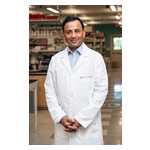
“Many cancers are cured through radiation therapy alone or radiation in combination with chemotherapy, including — but not limited to — prostate, head and neck, lung, cervical and anal cancers. For patients who are eligible for a watch-and-wait approach, improving the efficacy of radiation and avoiding the need for surgery may improve quality of life, particularly if patients receiving surgery will need a permanent colostomy and require stool to be collected in an external bag,” said Terence Williams, M.D., Ph.D., chair of the Department of Radiation Oncology at City of Hope and principal investigator of the clinical trial (NCT06834126).
Papaverine is an investigational drug that was found in both preclinical and ongoing clinical trials to sensitize tumor cells to radiation therapy by blocking oxygen consumption in tumor cells. The researchers will test to see if papaverine can be used in a different way to turn off oxygen consumption in the tumor cell and raise oxygen content. Since radiation works better when oxygen is present, the physician scientists believe this technique will allow for maximal tumor destruction and prevent or prolong the need for rectal cancer surgery.
City of Hope’s DINOMITE trial has a primary goal of determining the side effect profile and most effective dose of papaverine when given with radiation therapy to patients with rectal cancer that has spread to nearby tissue or lymph nodes (locally advanced) but that has not spread beyond the pelvis.
Surgery would be reserved for patients whose tumors recur in the pelvis after radiation and chemotherapy.
The ultimate goal in this trial will be to improve radiation therapy in a way that sensitizes tumors, but not normal organs and tissues, to radiation therapy and prevent patients with localized rectal cancer from needing surgery.
City of Hope experts are leveraging a discovery made in the laboratory, building upon recent work in Dr. Williams’ lab and prior work at a colleague’s lab. City of Hope is a leading institution known for its "bench to bedside" approach to translational medicine, rapidly moving research from the lab to clinical trials and patient care.
March is Colorectal Cancer Awareness Month, and rectal cancer constitutes about a third of colorectal cancer. Innovations in radiation oncology to make radiation work more effectively, such as the approach to be tested in this trial, could prevent the need for patients to undergo a life-changing surgery.
About City of Hope
City of Hope's mission is to make hope a reality for all touched by cancer and diabetes. Founded in 1913, City of Hope has grown into one of the largest and most advanced cancer research and treatment organizations in the U.S., and one of the leading research centers for diabetes and other life-threatening illnesses. City of Hope research has been the basis for numerous breakthrough cancer medicines, as well as human synthetic insulin and monoclonal antibodies. With an independent, National Cancer Institute-designated comprehensive cancer center that is ranked top 5 in the nation for cancer care by U.S. News & World Report at its core, City of Hope’s uniquely integrated model spans cancer care, research and development, academics and training, and a broad philanthropy program that powers its work. City of Hope’s growing national system includes its Los Angeles campus, a network of clinical care locations across Southern California, a new cancer center in Orange County, California, and cancer treatment centers and outpatient facilities in the Atlanta, Chicago and Phoenix areas. City of Hope’s affiliated group of organizations includes Translational Genomics Research Institute and AccessHopeTM. For more information about City of Hope, follow us on Facebook, X, YouTube, Instagram and LinkedIn.
Contacts
Zen Logsdon
626-409-9367
zlogsdon@coh.org