Feinstein Institutes urges areas of focus to improve preventative lung cancer screenings
Feinstein Institutes urges areas of focus to improve preventative lung cancer screenings
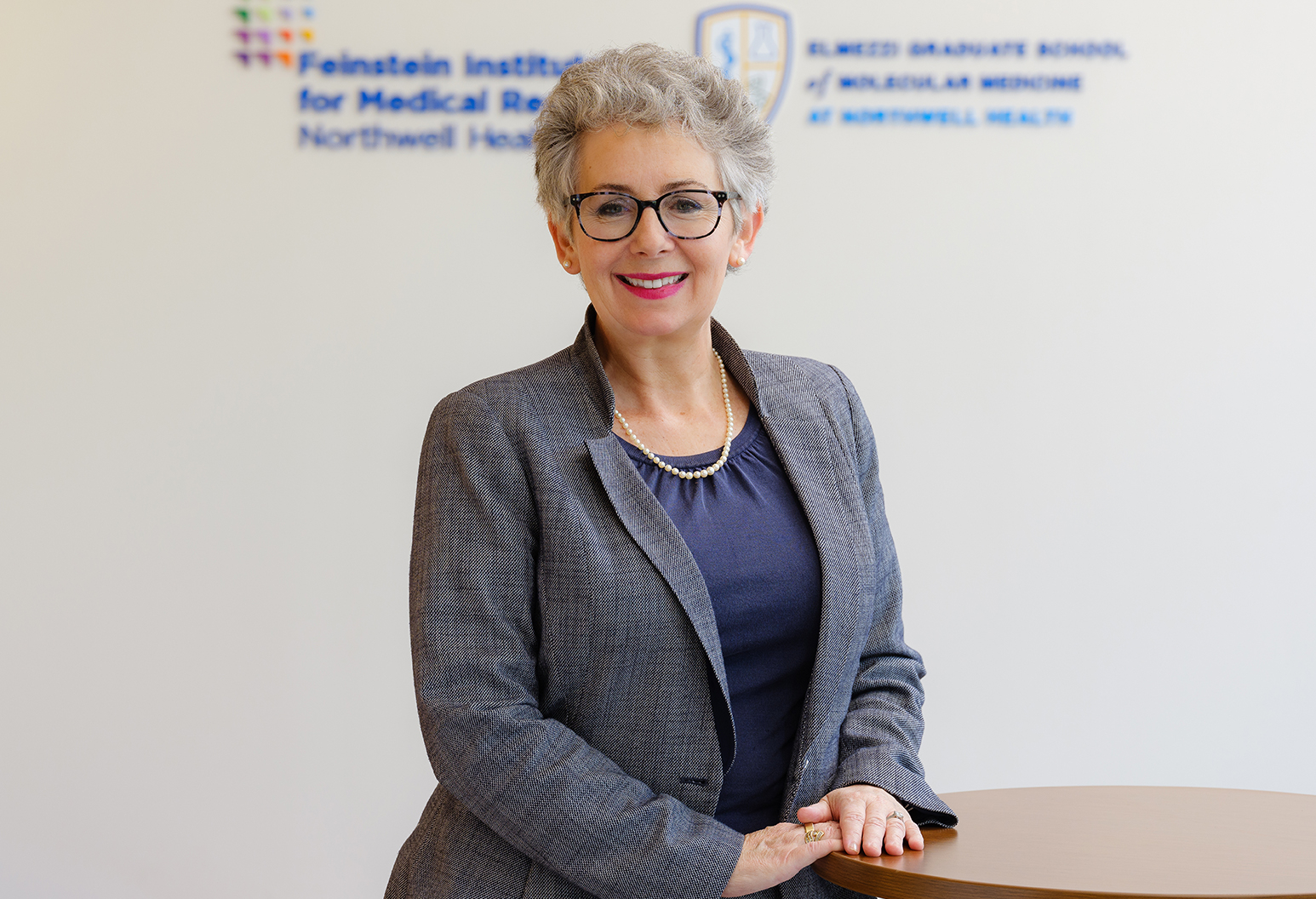
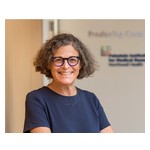
MANHASSET, N.Y.--(BUSINESS WIRE)--Approximately 130,000 people will die from lung cancer in 2022, making it the most common cause of cancer death in the United States. A new study recently published in the journal Annals of Internal Medicine, written by The Feinstein Institutes for Medical Research’s Karina Davidson, PhD, reviews preventative lung cancer screening guidelines and outlines hurdles health systems and clinicians still need to overcome to make prevention more effective – including the need for follow-up care.
To address the growing lung cancer crisis in 2014, the U.S. Preventative Services Task Force (USPSTF) expanded lung cancer screening guidelines for certain people. In the new paper, “Lessons From Implementation of the United States Preventive Services Task Force Screening for Lung Cancer,” Dr. Davidson, who is the immediate past-chair of the USPSTF, looked at the data comprising the recommendation for low-dose computed tomography (LDCT) screenings for persons aged 55 to 80 years old who had a 30–pack-per-year or greater smoking history. Dr. Davidson wrote and published this article after her tenure with the USPSTF.
“Nearly a quarter of a million Americans will be diagnosed with lung cancer this year, and the prevalence is expected to grow into the future. The best way to curb that prevalence is through prevention,” said Dr. Davidson, director of the Institute of Health System Science at the Feinstein Institutes and the Donald and Barbara Zucker Endowed Professor in Health Outcomes. “By reviewing the USPSTF’s recommendations and current data, we can identify opportunities to implement life-saving preventative screening tactics that will improve the health of our communities.”
The current report analyzed the first one million patients reported to the registry to receive the screenings and found shockingly that 40,000 patients did not have a proper smoking record or order from a doctor to receive the scan. Only 22 percent of those who had their first preventative screening underwent the required one-year follow-up. Race and other patient information are also missing from the registry, making it hard to represent the real world.
Dr. Davidson outlines ways to improve implementation, including clinicians working with their health systems to promote the necessary annual follow-up screenings, which includes examining if dedicated staff and other tools are needed to strengthen follow-up adherence. Additionally, new screening recommendations implemented by the USPSTF in 2021 have increased those eligible, which is especially helpful to those who identify as American Indian, Alaska Native, Black, or Latinx because all of these groups are at a higher risk for lung cancer even when smoking fewer cigarettes.
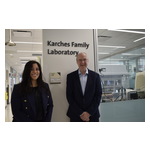
“Preventive care is the first line of defense against cancer,” said Kevin J. Tracey, MD, president and CEO of the Feinstein Institutes and Karches Family Distinguished Chair in Medical Research. “Dr. Davidson’s thoughtful review of current lung cancer screening guidelines and gaps that should be addressed is timely and important.”
About the Feinstein Institutes
The Feinstein Institutes for Medical Research is the home of the research institutes of Northwell Health, the largest health care provider and private employer in New York State. Encompassing 50 research labs, 3,000 clinical research studies and 5,000 researchers and staff, the Feinstein Institutes raises the standard of medical innovation through its five institutes of behavioral science, bioelectronic medicine, cancer, health system science, and molecular medicine. We make breakthroughs in genetics, oncology, brain research, mental health, autoimmunity, and are the global scientific leader in bioelectronic medicine – a new field of science that has the potential to revolutionize medicine. For more information about how we produce knowledge to cure disease, visit http://feinstein.northwell.edu and follow us on LinkedIn.
Contacts
Matthew Libassi
631-793-5325
mlibassi@northwell.edu