High-frequency Electrical Stimulation Helps Reduce Inflammation, Pain in New Feinstein Institutes Study
High-frequency Electrical Stimulation Helps Reduce Inflammation, Pain in New Feinstein Institutes Study
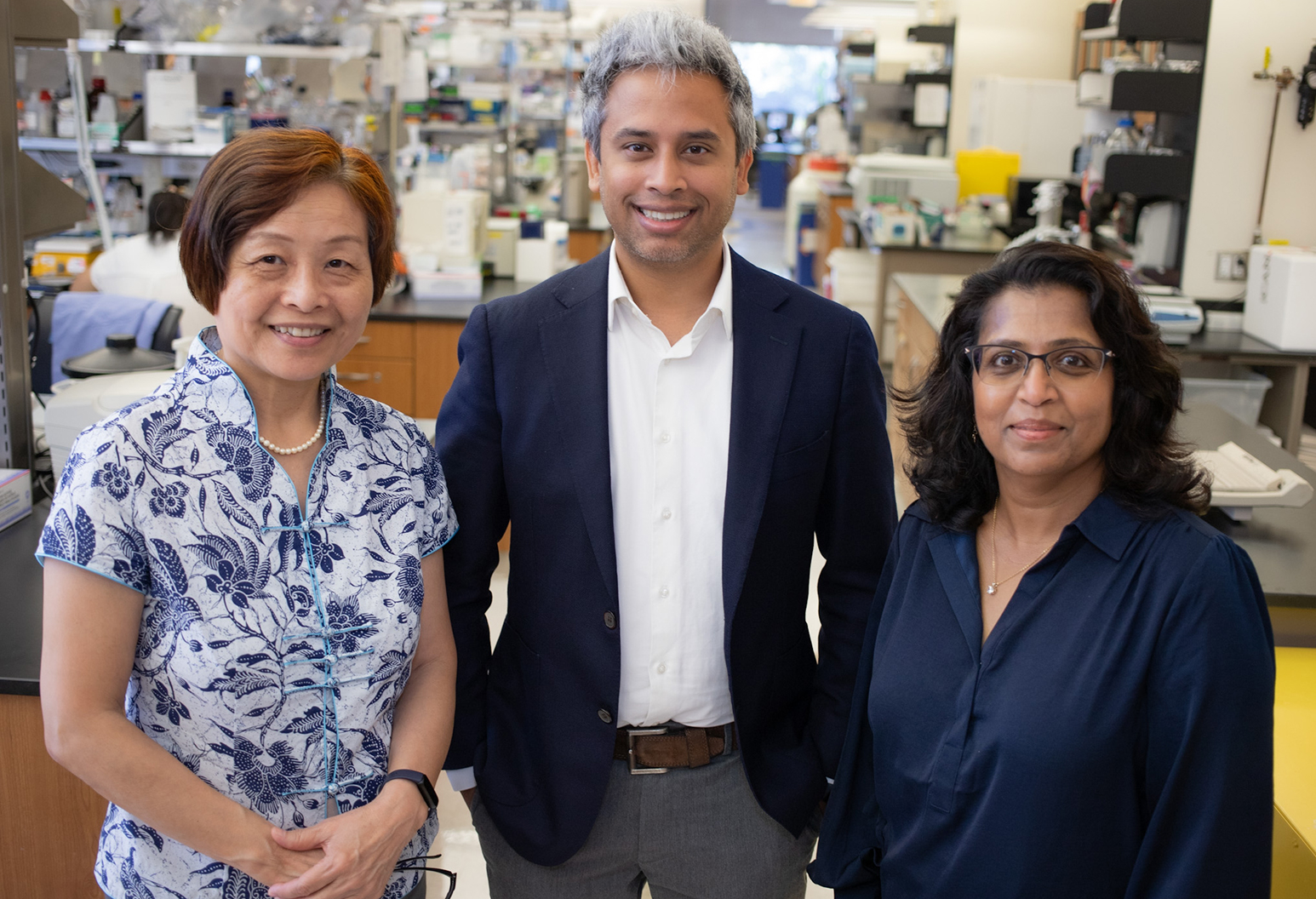
MANHASSET, N.Y.--(BUSINESS WIRE)--A bump, bruise or broken bone is painful. And while pain is an important defense mechanism to protect the body and promote healing, chronic pain can be debilitating. In the United States alone, 20-50 million adults suffer from chronic pain. New research published by scientists at The Feinstein Institutes for Medical Research in the journal Bioelectronic Medicine sheds light on the molecular mechanisms that occur when high-frequency electrical stimulation (HFES) is applied transcutaneously (over the skin), which reduces inflammation and pain.
HFES therapy, like TrueRelief’s® device, which received U.S. Food and Drug Administration clearance in 2021 for acute, chronic and post-operative pain and has been shown to reduce discomfort. However, understanding the molecular reasons behind how the device works remained unknown until now. The research, led by Feinstein Institutes’ Sangeeta Chavan, PhD, showed in preclinical mice models that HFES inhibits neuroinflammatory mediator release by sensory neurons, called nociceptors, to reduce pain.
“For your body to feel pain, neurons release molecules that kickstart the body’s immune response causing inflammation and pain. High-frequency stimulation therapies have shown to be effective in reducing pain, but the ‘how’ it works remained in question,” said Dr. Chavan, professor at the Institute of Bioelectronic Medicine at the Feinstein Institutes. “This study reveals a previously unidentified mechanism for the pain-modulating effect of HFES, which seems to reset sensory neurons by stopping the release of neuroinflammatory molecules, resulting in less inflammation and pain.”
The team uses optogenetics – light to control the activity of neurons – along with pharmacologic and injury-related activation of nociceptors measured the release of calcitonin gene related peptide (CGRP), substance P and high mobility group box 1 (HMGB1), which are pro-inflammatory molecules. The results show that HFES lessens neuroinflammatory mediator release by activated sensory neurons, which suggests that HFES could be used as a preventative therapy for those at high-risk for chronic pain.
“Chronic pain can limit a person’s daily activities and is associated with reduced work productivity, anxiety and depression, suicide and overall reduced quality of life. Beyond potentially addictive opioids, chronic pain sufferers struggle to find relief,” said Huan Yang, PhD, associate professor at the Institute of Bioelectronic Medicine at the Feinstein Institutes. “We now have a better understanding as to why high-frequency stimulation helps attenuate inflammation and associated pain.”
“Until now, assessment of pain has been largely subjective. We now have a quantitative biomarker that correlates directly with pain symptoms and allows us to develop more effective treatments,” added Timir Datta, PhD, assistant professor at the Institute of Bioelectronic Medicine at the Feinstein Institutes. “This inflammatory biomarker released by neurons gives us new insight into the role of neuroinflammation in chronic pain.”
Further research is needed to understand better the effect HFES has on reducing pain and inflammation, including the potential for HFES to be used as an alternative for opioids. More complete evaluations on the timing (how long, how frequently), ideal waveform and determination placement of electrodes will help advance this novel technology as a viable therapy for chronic pain.
“The discovery that neurons produce molecules that cause inflammation represents a major advance,” said Kevin J. Tracey, MD, president and CEO of the Feinstein Institutes, Karches Family Distinguished Chair in Medical Research and senior author on the paper. “Now this exciting new work shows it is possible to stop inflammation by targeting these neurons with bioelectronic devices.”
Drs. Chavan and Yang continue to advance the field of bioelectronic medicine, which combines identifying molecular targets, neuroscience and bioengineering to study how to use devices to treat diseases and injury. In a 2021 study published in Proceedings of the National Academy of Sciences of the United States of America (PNAS), the researchers showed that nerves release a molecule, HMGB1, to produce inflammation in the body, which could lead to a new strategy to develop pharmaceutical and bioelectronic therapies. This observation has been advanced in the current study utilizing HFES to target HMGB1 released by nerves.
The research study was funded in part by TrueRelief®.
About the Feinstein Institutes
The Feinstein Institutes for Medical Research is the home of the research institutes of Northwell Health, the largest health care provider and private employer in New York State. Encompassing 50 research labs, 3,000 clinical research studies and 5,000 researchers and staff, the Feinstein Institutes raises the standard of medical innovation through its five institutes of behavioral science, bioelectronic medicine, cancer, health system science, and molecular medicine. We make breakthroughs in genetics, oncology, brain research, mental health, autoimmunity, and are the global scientific leader in bioelectronic medicine – a new field of science that has the potential to revolutionize medicine. For more information about how we produce knowledge to cure disease, visit http://feinstein.northwell.edu and follow us on LinkedIn.
Contacts
Matthew Libassi
631-793-5325
mlibassi@northwell.edu