New Digital Trust Research Reveals Gaps, Benefits and Key Takeaways for Future Digital Transformation
New Digital Trust Research Reveals Gaps, Benefits and Key Takeaways for Future Digital Transformation

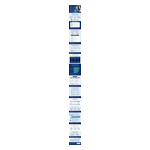
ISACA surveyed more than 2,700 professionals worldwide who hold assurance, governance, risk, security or privacy roles to learn how enterprises are approaching digital trust. See key findings in this infographic, and access five takeaways on how to advance digital trust in the free survey report at www.isaca.org/state-of-digital-trust. (Photo: ISACA)
SCHAUMBURG, Ill.--(BUSINESS WIRE)--As enterprises worldwide race toward digital transformation, the State of Digital Trust 2022 survey report from ISACA shows significant gaps between what enterprises are doing now and what they should do to establish leadership and earn customer trust in the future digital ecosystem.
The report features insights from 2,755 international business and information technology professionals. ISACA defines digital trust as the confidence in the integrity of relationships, interactions and transactions among providers and consumers within an associated digital ecosystem.
While 98 percent of respondents say that digital trust is important, only 12 percent of their organizations have a dedicated staff role for digital trust.
Looking ahead, 82 percent say digital trust will be even more important in five years, yet only 29 percent offer staff digital trust training.
“Digital trust is the bedrock of business relationships, and is critical for strategic digital transformation,” said David Samuelson, chief executive officer, ISACA. “Innovation, market leadership and financial performance rely heavily on trust that must be earned every day.”
Organizations with low digital trust experience reputation decline (62 percent), more privacy breaches (60 percent), more cybersecurity incidents (59 percent), lost customers (56 percent), less reliable data for decisions (53 percent), negative revenue impact (43 percent) and slower innovation (36 percent).
Obstacles
The most significant obstacles to digital trust are lack of skills and training (53 percent), lack of alignment with enterprise goals (44 percent), lack of leadership buy-in (42 percent), lack of budget (41 percent) and lack of technological resources (40 percent).
“Digital trust is a currency that must be backed by a robust validation process,” said Matt Chiodi, chief trust officer, Cerby, and a member of ISACA’s Digital Trust Council. “Trust must be earned, which means that in everything an organization does, the end goal must be answering the question, ‘What can we do today to better earn the trust of our customers?’ Those organizations that continually ask this question and make executing on the answers a priority will win in the future – win in market share, profitability and engagement with employees and customers.”
Benefits
Key benefits of having high levels of digital trust include:
- Positive reputation (66 percent)
- Fewer privacy breaches (58 percent)
- Fewer cybersecurity incidents (57 percent)
- Stronger customer loyalty (55 percent)
- Faster innovation (44 percent)
- Higher revenue (25 percent)
Growth opportunities
Respondents said the top three components of digital trust are security, data integrity and privacy, but only half agree there is sufficient collaboration among professionals in these and other digital trust fields.
Eighty-two percent say digital trust will be much more important in their organization and 28 percent say their organization will likely have a senior staff role dedicated to digital trust in five years.
Visit www.isaca.org/digital-trust or www.isaca.org/state-of-digital-trust for the State of Digital Trust report and resources.
Access a member-only sneak peek webinar about the new Digital Trust Ecosystem Framework at 12 pm ET on 22 September 2022.
About ISACA
ISACA® (www.isaca.org) is a global community advancing individuals and organizations in their pursuit of digital trust. For more than 50 years, ISACA has equipped individuals and enterprises with the knowledge, credentials, education, training and community to progress their careers, transform their organizations, and build a more trusted and ethical digital world. ISACA has more than 165,000 members in 188 countries, including 225 chapters worldwide. Through its foundation One In Tech, ISACA supports IT education and career pathways for underresourced and underrepresented populations.
Contacts
Emily Van Camp, +1.847.385.7217, communications@isaca.org
Kristen Kessinger, +1.847.660.5512, kkessinger@isaca.org