Feinstein Institutes secures $4.9M in NIH grants to advance research in acute inflammation and Alzheimer’s disease
Feinstein Institutes secures $4.9M in NIH grants to advance research in acute inflammation and Alzheimer’s disease
MANHASSET, N.Y.--(BUSINESS WIRE)--Tackling two of medicine’s most pressing challenges – acute inflammation and Alzheimer’s disease – Northwell Health’s Feinstein Institutes for Medical Research has successfully acquired $4.9 million in new multi-year grant funding from the National Institutes of Health (NIH). These significant awards will fuel two distinct research projects focused on unraveling fundamental biological mechanisms of acute inflammation and Alzheimer’s disease.
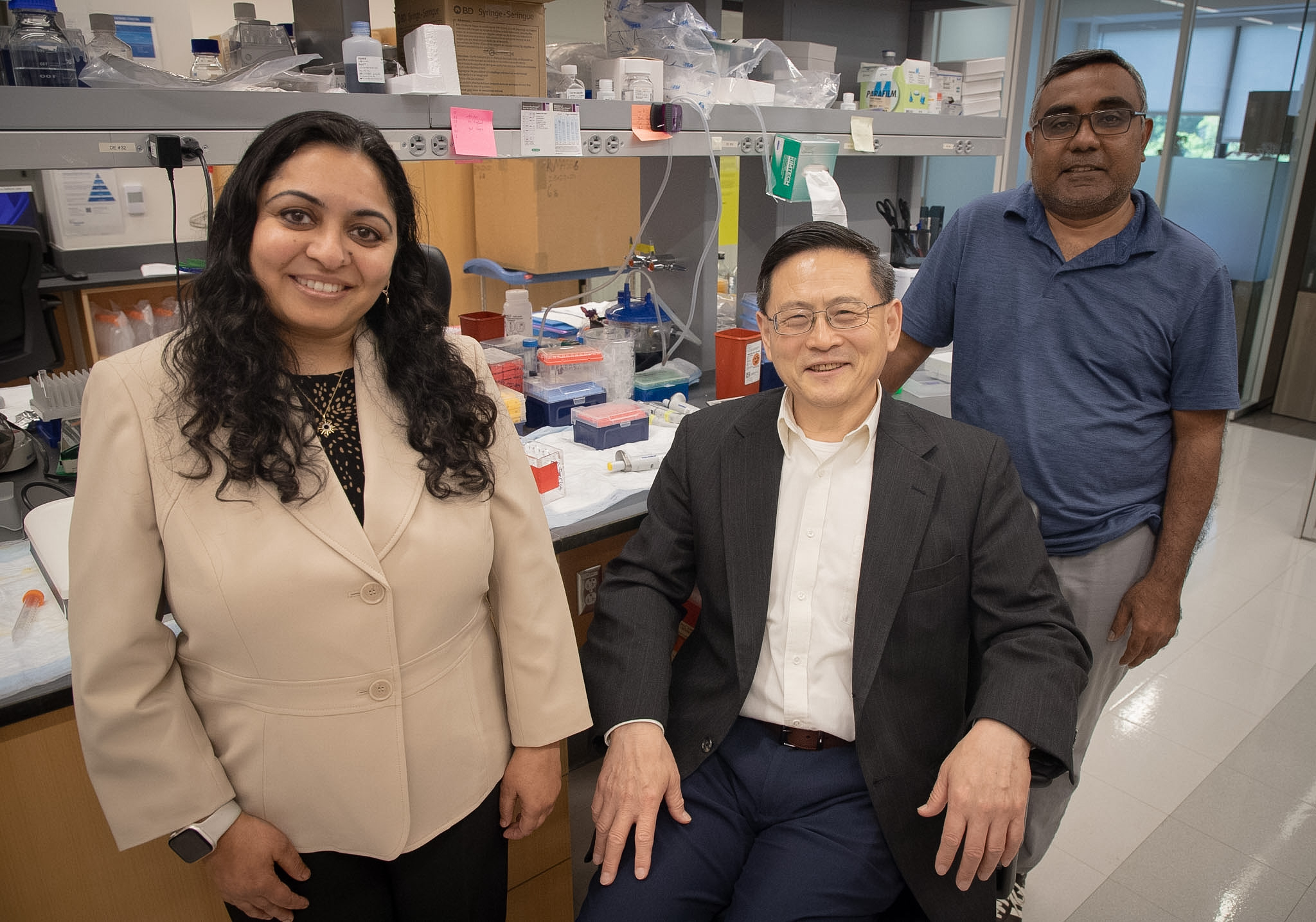
The two grants have been awarded to teams of scientists, including Monowar Aziz, PhD, associate professor, Archna Sharma, PhD, assistant professor, and Ping Wang, MD, professor and chief scientific officer at the Feinstein Institutes. Their work looks to deepen scientific understanding and pave the way for new therapeutic interventions.
“The funding from these two NIH grants is instrumental in supporting our investigations into the basic cellular mechanisms across major diseases,” said Dr. Wang. “Whether exploring B-1a cells in acute inflammation or neurotoxic astrocytes in Alzheimer’s disease, these studies are critical for advancing our understanding and ultimately identifying new ways to treat both conditions.”
Investigating B-1a cells and acute inflammation:
Acute inflammation is a critical, rapid-response mechanism of the immune system, but its dysregulation can lead to severe pathologies, including sepsis and other life-threatening conditions. By dissecting how B-1a cells influence these responses, the research team aims to pinpoint new avenues of therapeutic modulation, potentially leading to better control of harmful inflammation and improve patient outcomes. This research is being led by Drs. Aziz and Wang.
Uncovering the impact of neurotoxic astrocytes in Alzheimer’s disease:
Astrocytes, once considered mere support cells, are increasingly recognized for their active contributions to brain health and disease. Led by Dr. Sharma, Dr. Wang and Philippe Marambaud, PhD, professor at the Feinstein Institutes, the team will specifically examine how neurotoxic astrocytes contribute to neurodegeneration in Alzheimer’s disease. The ultimate goal is to identify new ways to slow or even prevent the progression of the neurodegenerative condition.
“Developing effective treatments for inflammation and Alzheimer’s disease requires knowledge about biological mechanisms,” said Kevin J. Tracey, MD, president and CEO of the Feinstein Institutes and Karches Family Distinguished Chair in Medical Research. “Grant support from NIH enables researchers to identify specific therapeutic targets that form the basis for therapeutic advances in patient care.”
About the Feinstein Institutes
The Feinstein Institutes for Medical Research is the home of the research institutes of Northwell Health, the largest health care provider and private employer in New York State. Encompassing 50+ research labs, 3,000 clinical research studies and 5,000 researchers and staff, the Feinstein Institutes raises the standard of medical innovation through its six institutes of behavioral science, bioelectronic medicine, cancer, health system science, molecular medicine, and translational research. We are the global scientific leader in bioelectronic medicine – an innovative field of science that has the potential to revolutionize medicine. The Feinstein Institutes publishes two open-access, international peer-reviewed journals Molecular Medicine and Bioelectronic Medicine. Through the Elmezzi Graduate School of Molecular Medicine, we offer an accelerated PhD program. For more information about how we produce knowledge to cure disease, visit http://feinstein.northwell.edu and follow us on LinkedIn.
Contacts
Julianne Mosher Allen
516-880-4824
jmosherallen@northwell.edu