Autolus Therapeutics to Evaluate Automated Manufacturing of AUCATZYL® (obe-cel) on the Cellares Cell ShuttleTM Platform
Autolus Therapeutics to Evaluate Automated Manufacturing of AUCATZYL® (obe-cel) on the Cellares Cell ShuttleTM Platform
Autolus will evaluate Cellares’ fully automated, high-throughput manufacturing platform in preparation for expansion into new indications
SOUTH SAN FRANCISCO, Calif. & LONDON--(BUSINESS WIRE)--Autolus Therapeutics plc (Nasdaq: AUTL), a commercial-stage biopharmaceutical company developing, manufacturing and delivering next-generation programmed T cell therapies, and Cellares Corp, the first Integrated Development and Manufacturing Organization (IDMO), today announced that Autolus will assess the feasibility of Cellares’ Cell Shuttle platform to complement its commercial manufacturing operations at the Nucleus facility in Stevenage, UK.
Autolus commercializes AUCATZYL® (obecabtagene autoleucel; obe-cel), an autologous CD19 CAR T cell therapy approved in the United States, UK, and Europe for adults with relapsed or refractory B-cell precursor acute lymphoblastic leukemia (r/r B-ALL). Obe-cel is also being studied in ongoing clinical trials to potentially expand its use in pediatric r/r B-ALL, and autoimmune diseases, such as lupus and multiple sclerosis.
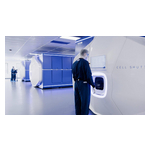
Cellares’ Cell Shuttle platform integrates all unit operations for CAR T manufacturing into a single-use, closed, pre-sterilized cartridge operated on a fully automated platform capable of processing up to 16 patient batches in parallel.
This architecture enables a single IDMO Smart Factory to deliver up to 10-fold higher throughput than conventional cell therapy manufacturing facilities of similar footprint and headcount, while providing partners with more consistent batch quality, lower cost, and greater resilience in commercial supply. Cellares pairs the Cell Shuttle with Cell QTM, a purpose-built quality control platform for cell therapy drug products that transforms analytical testing from manual, fragmented workflows into automated, high-throughput methods with fully digital, compliant batch records.
The Cellares Cell Shuttle platform was the first to receive the FDA’s Advanced Manufacturing Technology (AMT) designation, which offers partners additional touchpoints and priority review mechanisms when referencing the platform in their INDs, BLAs, and post-approval supplements.
“We are evaluating obe-cel in a range of indications beyond acute leukemia, and if successful, expect future demand to exceed the manufacturing capacity at our Nucleus facility. Cellares’ Cell Shuttle platform may provide an attractive option for a capital-efficient expansion of our manufacturing footprint in the future,” said Christian Itin, PhD, Chief Executive Officer of Autolus.
“If a commercial CAR T shows durable benefit, the next question is whether the industry can produce enough doses at a sustainable cost,” said Fabian Gerlinghaus, Co-founder and Chief Executive Officer of Cellares. “Autolus has already built a strong manufacturing foundation. Our role is to extend that foundation with a global infrastructure that can reduce cost and process failure rates, while meeting total patient demand.”
About Cellares
Cellares is the first Integrated Development and Manufacturing Organization (IDMO), providing global cell therapy development and manufacturing services through an Industry 4.0 approach to the mass manufacture of the living drugs of the 21st century. The company enables biopharmaceutical partners to develop, scale, and commercialize cell therapies with the capacity, reliability, and economics required to meet total patient demand.
Cellares’ fully automated platforms - Cell Shuttle™ for end-to-end cell therapy manufacturing and Cell Q™ for automated in-process and release quality control - are deployed across its network of IDMO Smart Factories worldwide. These technologies deliver industry-leading manufacturing economics, higher process success rates, and the ability to produce up to 10× more cell therapy batches than conventional CDMOs with comparable footprint and headcount, resulting in the lowest cost of manufacturing in the industry.
Headquartered in South San Francisco, California, Cellares operates its first commercial-scale IDMO Smart Factory in Bridgewater, New Jersey, with additional facilities under construction in Europe and Japan. Through its global manufacturing network, Cellares is purpose-built to support both clinical and commercial programs and to expand access to life-saving cell therapies worldwide. For more information, visit www.cellares.com and follow Cellares on LinkedIn.
About AUCATZYL (obe-cel)
AUCATZYL® (obecabtagene autoleucel; obe-cel) is an autologous CD19-directed CAR T cell therapy with a 4-1BB costimulatory domain and a fast target binding off-rate designed to reduce T-cell exhaustion while maintaining potent anti-leukemic activity. AUCATZYL is approved in the United States, European Union and United Kingdom for the treatment of adult patients with relapsed or refractory B-cell precursor acute lymphoblastic leukemia, based on data from the FELIX study and related trials.
About Autolus Therapeutics plc
Autolus Therapeutics plc (Nasdaq: AUTL) is an early commercial-stage biopharmaceutical company focused on developing, manufacturing and delivering next-generation programmed T cell therapies for cancer and autoimmune disease. Using a broad, modular T cell programming toolkit, Autolus engineers targeted and controlled T cell therapies designed to recognize diseased cells, dismantle their defenses and eliminate them. Autolus has a marketed therapy, AUCATZYL® (obecabtagene autoleucel; obe-cel), and a pipeline of product candidates in development across hematologic malignancies, solid tumors and autoimmune conditions. For more information, please visit autolus.com.
INDICATION
AUCATZYL® is a CD19-directed genetically modified autologous T cell immunotherapy indicated for the treatment of adult patients with relapsed or refractory B-cell precursor acute lymphoblastic leukemia (ALL).
IMPORTANT SAFETY INFORMATION
WARNING: CYTOKINE RELEASE SYNDROME, NEUROLOGIC TOXICITIES, and SECONDARY HEMATOLOGICAL MALIGNANCIES |
|
|
|
WARNINGS AND PRECAUTIONS
Cytokine Release Syndrome (CRS)
Cytokine Release Syndrome (CRS) occurred following treatment with AUCATZYL. CRS was reported in 75% (75/100) of patients including Grade 3 CRS in 3% of patients. The median time to onset of CRS was 8 days following the first infusion (range: 1 to 23 days) with a median duration of 5 days (range: 1 to 21 days). The most common manifestations of CRS included fever (100%), hypotension (35%), and hypoxia (19%).
Cytokine Release Syndrome (CRS) occurred following treatment with AUCATZYL. CRS was reported in 75% (75/100) of patients including Grade 3 CRS in 3% of patients. The median time to onset of CRS was 8 days (range: 1 to 23 days) with a median duration of 5 days (range: 1 to 21 days). Sixty-eight percent of patients (51/75) experienced CRS after the first infusion, but prior to the second infusion of AUCATZYL with a median time to onset of 6 days (range: 1 to 10 days). Among patients with CRS, the most common manifestations of CRS included fever (100%), hypotension (35%) and hypoxia (19%). The primary treatment for CRS was tocilizumab (73%; 55/75), with patients also receiving corticosteroids (21%; 16/75).
Prior to administering AUCATZYL, ensure that healthcare providers have immediate access to medications and resuscitative equipment to manage CRS. During and following treatment with AUCATZYL, closely monitor patients for signs and symptoms of CRS daily for at least 7 days following each infusion. Continue to monitor patients for CRS for at least 2 weeks following each infusion with AUCATZYL. Counsel patients to seek immediate medical attention should signs or symptoms of CRS occur at any time. At the first sign of CRS, immediately evaluate the patient for hospitalization and institute treatment with supportive care based on severity and consider further management per current practice guidelines.
Neurologic Toxicities
Neurologic toxicities including Immune Effector Cell-associated Neurotoxicity Syndrome (ICANS), which were fatal or life-threatening, occurred following treatment with AUCATZYL. Neurologic toxicities were reported in 64% (64/100) of patients, including Grade ≥ 3 in 12% of patients.
The median time to onset of neurologic toxicities was 10 days (range: 1 to 246 days) with a median duration of 13 days (range: 1 to 904 days). Fifty-five percent of patients (35/64) experienced neurologic toxicities after the first infusion but prior to the second infusion of AUCATZYL with a median time to onset of 6 days (range: 1 to 11 days). Among patients with neurologic toxicities, the most common symptoms (> 5%) included ICANS (38%), headache (34%), encephalopathy (33%), dizziness (22%), tremor (13%), anxiety (9%), insomnia (9%), and delirium (8%).
Immune Effector Cell-associated Neurotoxicity Syndrome (ICANS)
ICANS events occurred in 24% (24/100) of patients, including Grade ≥ 3 in 7% (7/100) of patients. Of the 24 patients who experienced ICANS, 33% (8/24) experienced an onset after the first infusion, but prior to the second infusion of AUCATZYL. The median time to onset for ICANS events after the first infusion was 8 days (range: 1 to 10 days) and 6.5 days (range: 2 to 22 days) after the second infusion, with a median duration of 8.5 days (range: 1 to 53 days). Eighty-eight percent (21/24) of patients received treatment for ICANS. All treated patients received high-dose corticosteroids and 42% (10/24) of patients received anti-epileptics prophylactically. Prior to administering AUCATZYL, ensure that healthcare providers have immediate access to medications and resuscitative equipment to manage ICANS.
During and following AUCATZYL administration, closely monitor patients for signs and symptoms of Neurologic Toxicity/ICANS. Following treatment with AUCATZYL, monitor patients daily for at least 7 days. Continue to monitor patients for at least 2 weeks following treatment with AUCATZYL. Avoid driving for at least 2 weeks after each infusion. Counsel patients to seek medical attention should signs or symptoms of neurologic toxicity/ ICANS occur. At the first sign of Neurologic Toxicity/ICANS, immediately evaluate patients for hospitalization and institute treatment with supportive care based on severity and consider further management per current practice guidelines.
Prolonged Cytopenias
Patients may exhibit cytopenias including anemia, neutropenia, and thrombocytopenia for several weeks after treatment with lymphodepleting chemotherapy and AUCATZYL. In patients who were responders to AUCATZYL, Grade ≥ 3 cytopenias that persisted beyond Day 30 following AUCATZYL infusion were observed in 71% (29/41) of patients and included neutropenia (66%, 27/41) and thrombocytopenia (54%, 22/41). Grade 3 or higher cytopenias that persisted beyond Day 60 following AUCATZYL infusion was observed in 27% (11/41) of patients and included neutropenia (17%, 7/41) and thrombocytopenia (15%, 6/41). Monitor blood counts after AUCATZYL infusion.
Infections
Severe, including life-threatening and fatal infections occurred in patients after AUCATZYL infusion. Non-COVID-19 infections of all grades occurred in 67% (67/100) of patients. Grade 3 or higher non-COVID-19 infections occurred in 41% (41/100) of patients. AUCATZYL should not be administered to patients with clinically significant active systemic infections. Monitor patients for signs and symptoms of infection before and after AUCATZYL infusion and treat appropriately. Administer prophylactic antimicrobials according to local guidelines.
Grade 3 or higher febrile neutropenia was observed in 26% (26/100) of patients after AUCATZYL infusion and may be concurrent with CRS. In the event of febrile neutropenia, evaluate for infection and manage with broad-spectrum antibiotics, fluids, and other supportive care as medically indicated.
Viral reactivation, potentially severe or life-threatening, can occur in patients treated with drugs directed against B cells. There is no experience with manufacturing AUCATZYL for patients with a positive test for human immunodeficiency virus (HIV) or with active hepatitis B virus (HBV) or active hepatitis C virus (HCV). Perform screening for HBV, HCV and HIV in accordance with clinical guidelines before collection of cells for manufacturing.
Hypogammaglobulinemia
Hypogammaglobulinemia and B-cell aplasia can occur in patients after AUCATZYL infusion. Hypogammaglobulinemia was reported in 10% (10/100) of patients treated with AUCATZYL including Grade 3 events in 2 patients (2%).
Immunoglobulin levels should be monitored after treatment with AUCATZYL and managed per institutional guidelines including infection precautions, antibiotic or antiviral prophylaxis, and immunoglobulin replacement.
The safety of immunization with live viral vaccines during or following treatment with AUCATZYL has not been studied. Vaccination with live viral vaccines is not recommended for at least 6 weeks prior to the start of lymphodepleting chemotherapy treatment, during AUCATZYL treatment, and until immune recovery following treatment with AUCATZYL.
Hemophagocytic Lymphohistiocytosis/Macrophage Activation Syndrome (HLH/MAS)
HLH/MAS including fatal and life-threatening reactions occurred after treatment with AUCATZYL. HLH/MAS was reported in 2% (2/100) of patients and included Grade 3 and Grade 4 events with a time of onset at Day 22 and Day 41, respectively. One patient experienced a concurrent ICANS events after AUCATZYL infusion and died due to sepsis with ongoing HLH/MAS that had not resolved. Administer treatment for HLH/MAS according to institutional standards.
Hypersensitivity Reactions
Serious hypersensitivity reactions, including anaphylaxis, may occur due to dimethyl sulfoxide (DMSO), an excipient used in AUCATZYL. Observe patients for hypersensitivity reactions during and after AUCATZYL infusion.
Secondary Malignancies
Patients treated with AUCATZYL may develop secondary malignancies. T cell malignancies have occurred following treatment of hematologic malignancies with BCMA- and CD19-directed genetically modified autologous T cell immunotherapies. Mature T cell malignancies, including CAR-positive tumors, may present as soon as weeks following infusion, and may include fatal outcomes. Monitor lifelong for secondary malignancies. In the event that a secondary malignancy occurs, contact Autolus at 1-855-288-5227 for reporting and to obtain instructions on the collection of patient samples for testing.
Adverse Reactions
The safety of AUCATZYL was evaluated in the FELIX study in which 100 patients with relapsed or refractory B-cell acute lymphoblastic leukemia (B-ALL) received AUCATZYL at a median dose of 410 × 106 CD19 CAR-positive viable T cells (range: 10 to 480 × 106 CD19 CAR-positive viable T cells with 90% of patients receiving the recommended dose of 410 × 106 +/- 25%).
The most common serious adverse reactions of any Grade (incidence ≥ 2%) included infections-pathogen unspecified, febrile neutropenia, ICANS, CRS, fever, bacterial infectious disorders, encephalopathy, fungal infections, hemorrhage, respiratory failure, hypotension, ascites, HLH/MAS, thrombosis and hypoxia. Nine patients (9%) experienced fatal adverse reactions which included infections (sepsis, pneumonia, peritonitis), ascites, pulmonary embolism, acute respiratory distress syndrome, HLH/MAS and ICANS. Of the 9 patients, five patients who died from infections had pre-existing and ongoing neutropenia prior to receiving bridging therapy, lymphodepletion chemotherapy treatment and/or AUCATZYL.
Please see full Prescribing Information, including BOXED WARNING and Medication Guide.
Forward-Looking Statements
This press release contains forward-looking statements within the meaning of the "safe harbor" provisions of the Private Securities Litigation Reform Act of 1995. Forward-looking statements are statements that are not historical facts, and in some cases can be identified by terms such as "may," "will," "could," "expects," "plans," "anticipates," and "believes." These statements include, but are not limited to, statements regarding the therapeutic potential and expected clinical benefits of AUCATZYL/obe-cel (obecabtagene autoleucel) for adult patients with r/r B-ALL and obe-cel in additional indications including LN and progressive MS; Autolus’ ability to generate revenues from AUCATZYL, which is dependent upon maintaining significant market acceptance among physicians, patients and healthcare payors; the effect of payor reimbursement determinations and other market conditions on Autolus’ ability to recognize revenue from AUCATZYL sales; Autolus’ ability to obtain and maintain regulatory approval for obe-cel for adult r/r B-ALL in additional territories and the timing thereof; expectations regarding the commercialization and marketing of AUCATZYL for adult r/r B-ALL, including expanding into additional territories and the related timing of reaching patients in such territories; the development of obe-cel in autoimmune indications and of additional product candidates, including statements regarding the initiation, timing, progress and the results of clinical studies or trials and related preparatory work; the period during which the results of clinical studies or trials will become available; commercialization, marketing and manufacturing capabilities and strategy for AUCATZYL; the timing or likelihood of regulatory filings and approvals for product candidates, along with regulatory developments in the US, EU, the UK and other foreign countries; size and growth potential of the markets for AUCATZYL and product candidates, if approved; and estimates regarding expenses, future revenue, capital requirements and needs for additional financing. Any forward-looking statements are based on management's current views and assumptions and involve risks and uncertainties that could cause actual results, performance, or events to differ materially from those expressed or implied in such statements. These risks and uncertainties include, but are not limited to, the risks that the impact of worsening macroeconomic conditions on Autolus’ business, financial position, strategy and anticipated milestones, including Autolus’ ability to conduct ongoing and planned clinical trials; Autolus’ ability to obtain a clinical supply of current or future product candidates or commercial supply of AUCATZYL or any future approved products; Autolus’ ability to obtain and maintain regulatory approval of its product candidates, including AUCATZYL and potential expansions into additional indications; Autolus’ ability and plans in continuing to establish and expand a commercial infrastructure in the US and to successfully launch, market and sell AUCATZYL and any future approved products; Autolus’ ability to successfully expand the approved indications for AUCATZYL or obtain marketing approval for AUCATZYL in additional geographies in the future; the delay of any current or planned clinical trials, whether due to patient enrollment delays or otherwise; Autolus’ ability to successfully demonstrate the safety and efficacy of its product candidates and gain approval of its product candidates on a timely basis, if at all; competition with respect to market opportunities; the risk that Autolus’ preclinical or clinical programs do not advance or result in approved products on a timely or cost effective basis or at all; the results of early clinical trials are not always being predictive of future results; the cost, timing and results of clinical trials; that many product candidates do not become approved drugs on a timely or cost effective basis or at all; and possible safety and efficacy concerns. For a discussion of other risks and uncertainties, and other important factors, any of which could cause Autolus’ actual results to differ from those contained in the forward-looking statements, see the section titled "Risk Factors" in Autolus' Annual Report on Form 10-K filed with the Securities and Exchange Commission, or the SEC, on March 20, 2025 as well as discussions of potential risks, uncertainties, and other important factors in Autolus' subsequent filings with the Securities and Exchange Commission. All information in this press release is as of the date of the release, and Autolus undertakes no obligation to publicly update any forward-looking statement, whether as a result of new information, future events, or otherwise, except as required by law. You should, therefore, not rely on these forward-looking statements as representing Autolus’ views as of any date subsequent to the date of this press release.
Contacts
Cellares Contacts
Business Development:
bd@cellares.com
Investors:
ir@cellares.com
Media:
pr@cellares.com
Autolus Contact
Investors & Media:
Amanda Cray
a.cray@autolus.com