NIH awards Feinstein Institutes $2 million to study impact of heat, stroke on people with Alzheimer’s disease
NIH awards Feinstein Institutes $2 million to study impact of heat, stroke on people with Alzheimer’s disease
MANHASSET, N.Y.--(BUSINESS WIRE)--Vulnerable populations, particularly those with Alzheimer’s disease and related dementias (ADRD), may experience greater health disparities due to the combined impact of socioeconomic stressors and their pre-existing cognitive impairments. These individuals are also known to be at even greater risk due to rising temperatures. To better investigate the impact of heat on stroke outcomes, particularly in this high-risk group, researchers at Northwell Health’s The Feinstein Institutes for Medical Research have been awarded a $2 million grant from the National Institute of Neurological Disorders and Stroke (NINDS), part of the National Institutes of Health (NIH).
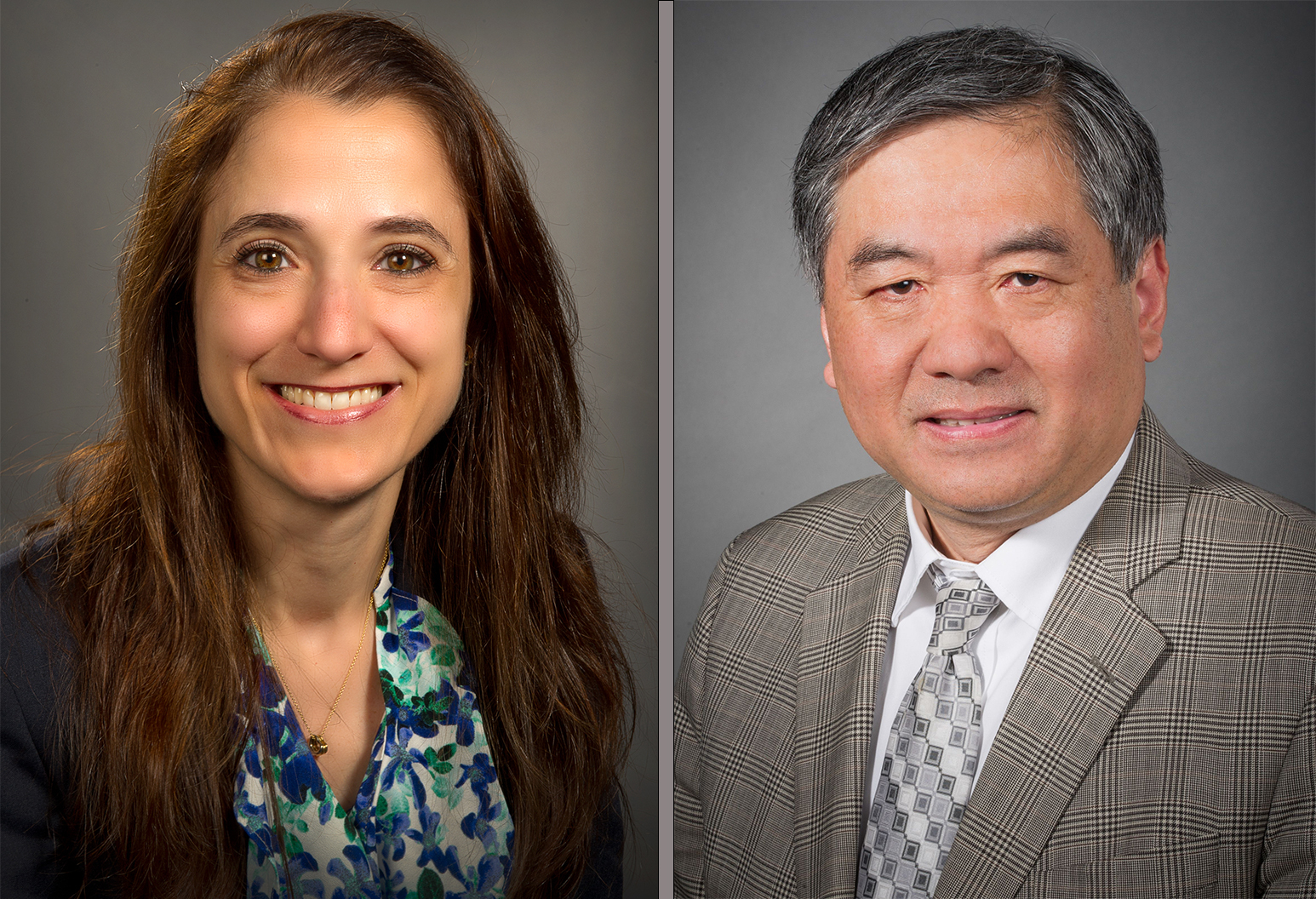
The research, led by Pina C Sanelli, MD, MPH, and Jason J Wang, PhD, will leverage a decade of data from a diverse patient population in the New York metropolitan region. The team will analyze acute ischemic stroke rates and trends, comparing neighborhoods with high and low heat vulnerability index (HVI) scores. The HVI integrates environmental heat and socioeconomic stressors to assess mortality risk. The study will also assess stroke severity upon hospital presentation and evaluate short-term outcomes such as in-hospital mortality and functional disability.
“This grant allows us to explore the intersection of environmental, socioeconomic, and health factors influencing stroke outcomes,” said Dr. Sanelli, professor, Institute of Health System Science at the Feinstein Institutes. “Our goal is to identify actionable strategies to mitigate these risks and improve the lives of vulnerable individuals.”
Environmental heat and socioeconomic stressors worsen both Alzheimer’s Disease (AD) and stroke, independently. People with AD are already at higher risk for stroke and experience worse stroke outcomes. However, no research has examined the combined effect of heat and socioeconomic hardship (i.e., heat vulnerability) on stroke outcomes in people with AD. This is important because poor stroke recovery, especially problems like dependent disability and swallowing difficulties, drastically reduces quality of life for those with AD. Therefore, it’s urgent to understand how heat vulnerability contributes to health disparities in stroke outcomes for this population.
“Preliminary data suggest a strong correlation between high heat vulnerability and increased stroke rates and severity,” explained Dr. Wang. “This research will delve deeper into these connections, examining the physiological mechanisms at play and the disproportionate impact on individuals with ADRD.”
A paper published last year by the team in the International Journal of Environmental Research and Public Health supports these initial findings.
“The link between extreme heat and stroke risk is a growing concern, particularly for those with cognitive impairments,” said Kevin J. Tracey, MD, president and CEO of the Feinstein Institutes and Karches Family Distinguished Chair in Medical Research. “This funding allows our researchers to explore innovative approaches to mitigate this risk and pave the way for a healthier future for this vulnerable population.”
About the Feinstein Institutes
The Feinstein Institutes for Medical Research is the home of the research institutes of Northwell Health, the largest health care provider and private employer in New York State. Encompassing 50+ research labs, 3,000 clinical research studies and 5,000 researchers and staff, the Feinstein Institutes raises the standard of medical innovation through its six institutes of behavioral science, bioelectronic medicine, cancer, health system science, molecular medicine, and translational research. We are the global scientific leader in bioelectronic medicine – an innovative field of science that has the potential to revolutionize medicine. The Feinstein Institutes publishes two open-access, international peer-reviewed journals Molecular Medicine and Bioelectronic Medicine. Through the Elmezzi Graduate School of Molecular Medicine, we offer an accelerated PhD program. For more information about how we produce knowledge to cure disease, visit http://feinstein.northwell.edu and follow us on LinkedIn.
Contacts
Julianne Mosher Allen
516-880-4824
jmosherallen@northwell.edu