ISACA Study: 1 in 3 Tech Pros Switched Jobs in Past Two Years, Leaving 74% of Firms Worried About IT Talent Retention
ISACA Study: 1 in 3 Tech Pros Switched Jobs in Past Two Years, Leaving 74% of Firms Worried About IT Talent Retention

SCHAUMBURG, Ill.--(BUSINESS WIRE)--A career in tech can bring invigorating work, solid compensation and high satisfaction, but can also come with its own stresses—and can be challenging to break into in the first place—according to new research from global professional association ISACA.
ISACA study: 1 in 3 #tech pros switched jobs in past two years, leaving 74% of firms worried about IT talent retention.
Share
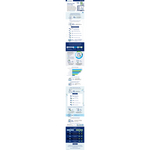
The global ISACA Tech Workplace and Culture survey of 7,726 technology professionals explores career satisfaction, pay, levels of authority, mentorship, retention factors and more, including similarities and differences by gender and age group.
Career Motivation
While only 18 percent of respondents report pursuing a job in IT to have work-life balance, 41 percent cite this as the top reason that they stay at a job or company. Other key motivations for staying include hybrid/remote work options (40 percent) and liking job duties (37 percent).
Nearly half (45 percent) of respondents say they go into these professions because they enjoy problem-solving, followed by a desire for continuous learning (41 percent) and liking the job security/demand (38 percent).
Stress and Obstacles
However, challenges can arise when pursuing IT careers, including the need for more technical knowledge (35 percent), changing technology, tools and best practices (31 percent) and specialized skills required for specific IT areas (30 percent).
They cite the biggest career obstacles as 1) not having an upward career path (30 percent), 2) limited career opportunities (24 percent), and 3) lack of mentors (19 percent).
Respondents note overwhelmingly that mentors are important (83 percent), and 63 percent say they would like to have a mentor. However, only 22 percent actually have one. The survey also found that women are more likely to have a mentor, want a mentor and recognize the importance of mentors—but men are more likely to be mentors.
These IT professionals experience stress on the job as well—except for a fortunate 21 percent who say they do not—including:
- Heavy workloads (54 percent)
- Long hours (43 percent)
-
Tight deadlines (41 percent)
Lack of resources (41 percent)
Unsupportive management (41 percent)
The survey also finds that 37 percent of women have experienced gender discrimination at work, compared to 9 percent of men. Additionally, 42 percent of women say women are underrepresented in tech due to pay inequity, vs. 14 percent of men. Most believe that gender-inclusive programs have a positive impact (58 percent of men vs. 72 percent of women).
Retention Insights
In the face of these obstacles, one third of respondents indicate that they have changed jobs in the last two years, and 74 percent of organizations say they are concerned with attracting and retaining tech talent. However, only 27 percent of organizations frequently talk to their own employees about the issue.
The respondents cite the top reasons for leaving a job as being 1) desire for higher compensation (seen most among those under 35, at 43 percent for this group), 2) improve career prospects, and 3) desire for more interesting work.
“A robust and engaged tech workforce is essential to keeping enterprises operating at the highest level,” says Julia Kanouse, who serves as Chief Membership Officer at ISACA and oversees the association’s SheLeadsTech program. “In better understanding IT professionals’ motivations and pain points, including how these may differ across demographics, organizations can strengthen the resources and support these employees need to be effective and thrive, making strides in improving retention along the way.”
Access the report at www.isaca.org/tech-workplace-and-culture. Learn more about ISACA’s SheLeadsTech program at www.isaca.org/sheleadstech.
Contacts
communications@isaca.org
Emily Ayala, +1.847.385.7223