Feinstein Institutes Research Suggests New Management Protocols for Patients Taking Oral Anticoagulants
Feinstein Institutes Research Suggests New Management Protocols for Patients Taking Oral Anticoagulants
MANHASSET, N.Y.--(BUSINESS WIRE)--Direct oral anticoagulants (DOACs) are commonly used medications that help prevent blood clots, which can be dangerous for those suffering from heart conditions or at risk of venous thromboembolism. However, these medications can also increase the likelihood of bleeding, especially during surgeries. Researchers at the Feinstein Institutes for Medical Research recently published in the Journal of the American Medical Association (JAMA) protocols to effectively manage the administration of DOACs and minimize bleeding and clotting risks – suggesting new conventions for patients pre- and post-surgery.
Approximately 4 million patients in the United States are currently being treated with DOAC therapy. The review paper, titled “Perioperative Management of Patients Taking Direct Oral Anticoagulants,” analyzed how physicians should handle a patient’s blood thinner medicine depending on whether a procedure is surgical and to what degree of risk a procedure presents.
The paper reviewed 99 articles on blood thinners and surgery to inform its evaluation. The authors concluded that doctors must assess the bleeding risk (low, medium, or high) of a planned surgery. Additionally, the research recommends that standardized management protocols – which do not require testing DOAC levels, heparin bridging, or short-acting anticoagulants – can be safely and effectively used for patients undergoing elective or non-urgent procedures. However, for patients on DOACs who require emergency, urgent, or semi-urgent surgery, using anticoagulant reversal agents may be appropriate if DOAC levels are elevated or unavailable.
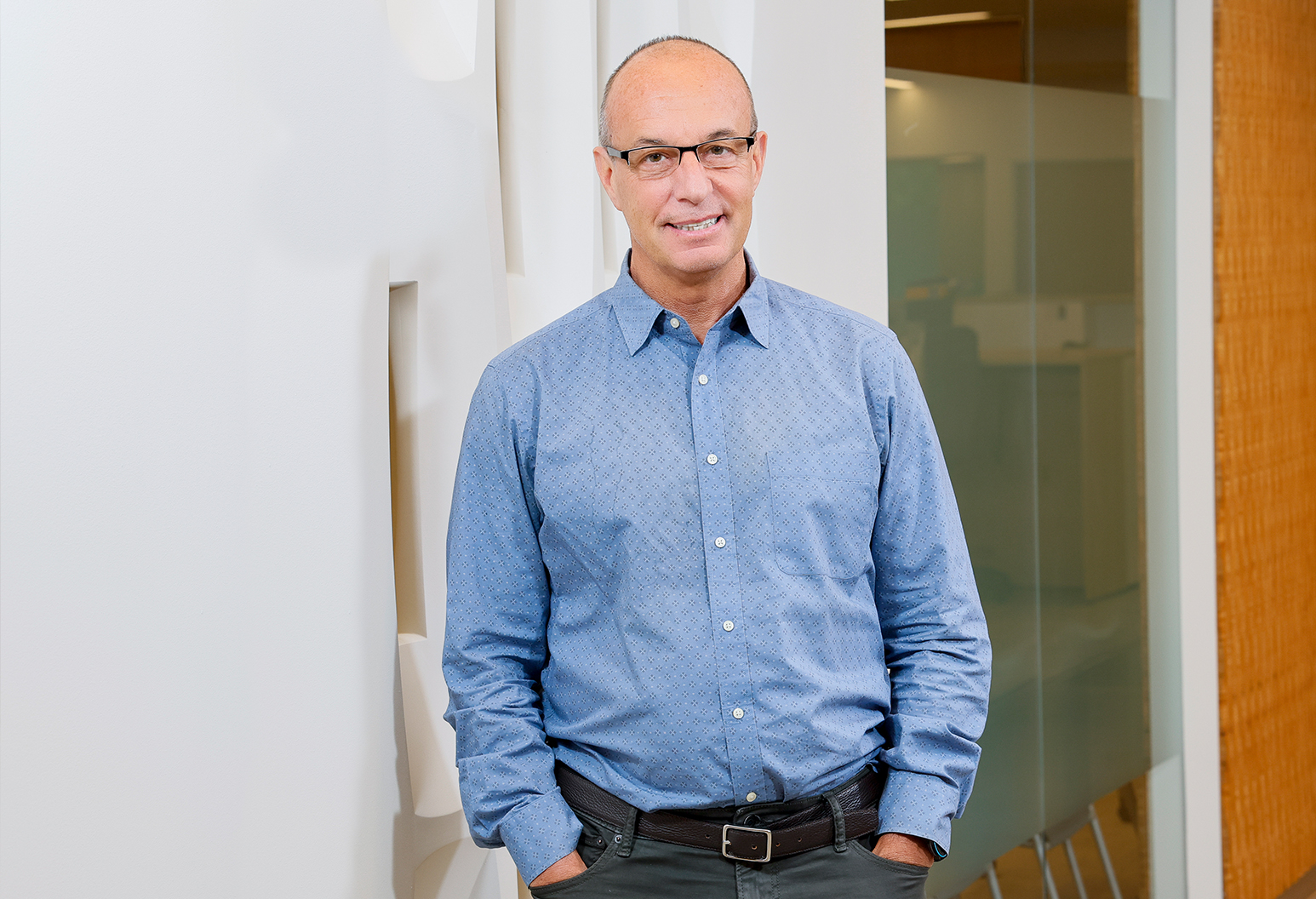
“When patients taking DOAC blood thinners undergo an optional or nonsurgical procedure, doctors can follow a simple standardized management plan where they won’t need to administer a blood test to check DOAC levels or use heparin, an alternate blood thinner,” said Alex C. Spyropoulos, MD, professor at Feinstein Institutes’ Institute of Health System Science. “Through this careful review, we determine that urgent or emergent procedures are another story and may need additional therapy and monitoring to prevent complications.”
Patients who require urgent or emergency surgeries may need additional medications that quickly reverse the effects of DOACs if bleeding occurs during the procedure. One type of reversal agent (examples include andexanet-α for edoxaban, rivaroxaban, or apixaban and idarucizumab for dabigatran) can help with specific DOACs, while a more general reversal agent called prothrombin complex concentrate (PCC) can reverse the effects of any DOAC medication, albeit less effectively.
“A leader in the field, Dr. Spyropoulos advances patient care through his research,” said Kevin J. Tracey, MD, president and CEO of the Feinstein Institutes and the Karches Family Distinguished Chair in Medical Research at Northwell Health. “His new insights into preventing life-threatening blood clots during elective procedures have the potential to benefit countless patients at Northwell Health and globally.”
In addition to this JAMA article, and investigating a blood clot prevention treatment called thromboprophylaxis – particularly in relation to the treatment of hospitalized COVID-19 patients – Dr. Spyropoulos and his co-authors recently published an article in the Journal of Thrombosis and Haemostasis that determined hospitals’ incorporation of a user-friendly clinical decision support tool can also significantly improve the appropriate use of blood clot prevention strategies.
About the Feinstein Institutes
The Feinstein Institutes for Medical Research is the home of the research institutes of Northwell Health, the largest health care provider and private employer in New York State. Encompassing 50 research labs, 3,000 clinical research studies and 5,000 researchers and staff, the Feinstein Institutes raises the standard of medical innovation through its six institutes of behavioral science, bioelectronic medicine, cancer, health system science, translational research, and molecular medicine. We make breakthroughs in health condition, including endometriosis, lupus, postpartum depression, schizophrenia, sepsis. We are the global scientific leader in bioelectronic medicine – an innovative field of science that has the potential to revolutionize medicine. For more information about how we produce knowledge to cure disease, visit http://feinstein.northwell.edu and follow us on LinkedIn.
Contacts
Matthew Libassi
631-793-5325
mlibassi@northwell.edu