City of Hope Study Finds That Neuroendocrine Cancer Patients and Doctors Agree on Treatment Goals Only Half of the Time
City of Hope Study Finds That Neuroendocrine Cancer Patients and Doctors Agree on Treatment Goals Only Half of the Time
Among those surveyed, 70% of people with neuroendocrine tumors said they value overcoming pain, fatigue or lack of function over simply prolonging life.
LOS ANGELES--(BUSINESS WIRE)--A new study by researchers at City of Hope, one of the largest cancer research and treatment organizations in the United States and a national leader in providing cancer patients with best-in-class, integrated supportive care programs, reveals that people with neuroendocrine cancer overwhelmingly prioritize quality of life over living longer. The study, entitled “Patient-Defined Goals and Preferences Among Adults With Advanced Neuroendocrine Tumors,” was published today in the Journal of the National Comprehensive Cancer Network.
The researchers surveyed 60 City of Hope patients with advanced neuroendocrine tumors who were starting a new systemic therapy. Half were between the ages of 18 and 64, while the other half were 65 years or older.
Nearly 67% of those surveyed agreed with the statement “I would rather live a shorter life than lose my ability to take care of myself.” Only 52% of patients thought they had the same treatment goals as their physician.
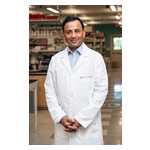
“Patients with a cancer type that typically has a longer life expectancy often come to understand that the treatment journey is more of a marathon than a sprint. So, how they feel on a day-to-day basis is more likely to be a top priority and could affect their choice of different treatment options,” said Daneng Li, M.D., associate professor in the Department of Medical Oncology & Therapeutics Research at City of Hope and first author of the study. “Ultimately, the decision for a specific treatment is individualized, and we hope that our study sheds light on the need for better communication between care providers and patients with neuroendocrine tumors in order to fully develop personalized treatment plans that are truly in line with and support the goals of each patient.”
Both the younger and older groups ranked maintaining independence as the most valued outcome (both 47%), followed by survival (37% for younger, 23% for older), reducing or eliminating pain (17% vs. 7%), and reducing or eliminating dizziness, fatigue or shortness of breath (0% vs. 23%).
City of Hope understands that providing patients with access to supportive care programs has a direct impact on their treatment outcomes. Beginning at diagnosis, City of Hope’s supportive care program provides cancer patients with comprehensive physical, psychological, social and practical support services that improve outcomes and enable them to maximize their personal and family strengths. Offerings include care navigation, survivorship programs, specialists in cancer and aging, psychological and spiritual counseling, pain management and integrative medicine like yoga, massage, meditation and more.
“To better align with patients’ goals, I think physicians need to incorporate outcomes, such as maintenance of independence, symptom or pain reduction, and additional quality-of-life measures, during the drug development and approval process to normalize these key considerations in the research process and ensure that the treatments we get approved not only help our patients live longer, but also really help our patients live better,” Li said.
The study was supported by the National Institutes of Health’s National Institute on Aging (R03AG064376).
About City of Hope
City of Hope's mission is to deliver the cures of tomorrow to the people who need them today. Founded in 1913, City of Hope has grown into one of the largest cancer research and treatment organizations in the U.S. and one of the leading research centers for diabetes and other life-threatening illnesses. As an independent, National Cancer Institute-designated comprehensive cancer center, City of Hope brings a uniquely integrated model to patients, spanning cancer care, research and development, academics and training, and innovation initiatives. Research and technology developed at City of Hope has been the basis for numerous breakthrough cancer medicines, as well as human synthetic insulin and monoclonal antibodies. A leader in bone marrow transplantation and immunotherapy, such as CAR T cell therapy, City of Hope’s personalized treatment protocols help advance cancer care throughout the world.
With a goal of expanding access to the latest discoveries and leading-edge care to more patients, families and communities, City of Hope’s growing national system includes its main Los Angeles campus, a network of clinical care locations across Southern California, a new cancer center in Orange County, California, and Cancer Treatment Centers of America. City of Hope’s affiliated family of organizations includes Translational Genomics Research Institute and AccessHope™. For more information about City of Hope, follow us on Facebook, Twitter, YouTube, Instagram and LinkedIn.
Contacts
Zen Logsdon
626-409-9367
zlogsdon@coh.org