AI Digital Tool Predicts Covid-19 Patient Prognosis
AI Digital Tool Predicts Covid-19 Patient Prognosis
Feinstein Institutes for Medical Research scientists published in Nature Communications results of a two-and-a-half-year-long study using 35,000 diverse patients to develop a new digital clinical support tool
MANHASSET, N.Y.--(BUSINESS WIRE)--When the Coronavirus disease 2019 (COVID-19) pandemic gripped the nation, doctors scrambled to keep up with their patients’ constantly changing and unpredictable outlook. The Feinstein Institutes for Medical Research scientists saw early potential in using diverse patient population data from Northwell Health – New York's largest health system –and developed a clinical tool to better inform frontline staff on a patient’s prognosis and severity of the disease. Two-and-half-years later, pulling from 35,000 COVID-19 inpatients, researchers published results in Nature Communications detailing how data from basic blood work and other vitals could accurately project a patient’s outcomes and aid in clinical care decision-making.
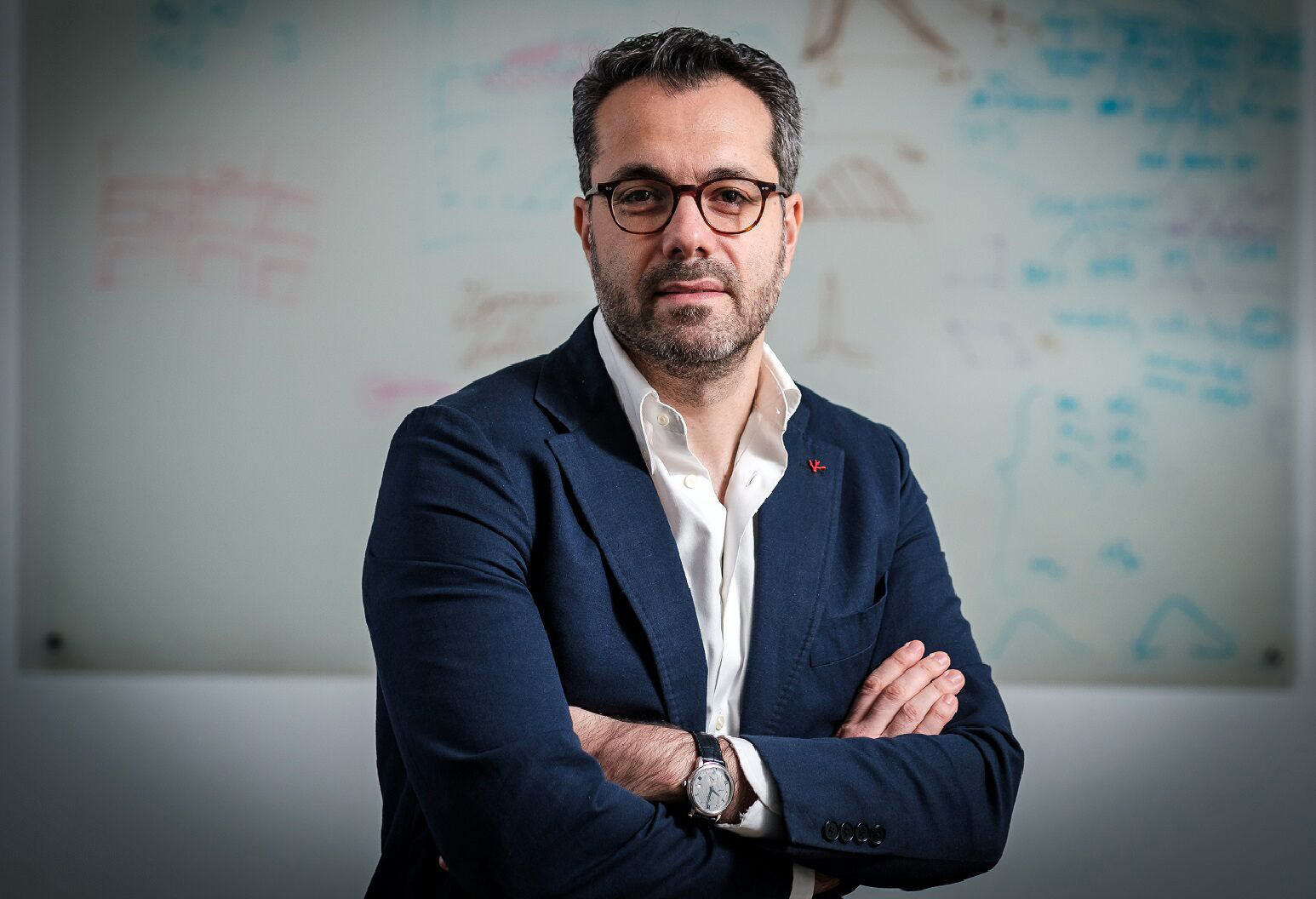
The research, led by Theo Zanos, PhD, associate professor at the Feinstein Institutes’ Institute of Health System Science and Institute of Bioelectronic Medicine, accounted for rapid changes in patient condition and outcomes across different COVID-19 waves and the variants that caused them, along with the emergence of vaccines and treatments, and created a self-monitoring, auto-updating artificial intelligence (AI) model clinical support tool. Dr. Zanos and his lab analyzed electronic health record (EHR) data from patients hospitalized across 13 Northwell Health hospitals between April 2020 and May 2022.
“COVID-19 was one of the most dynamic diseases we’ve witnessed in modern history and information about how to care for patients was constantly evolving,” said Dr. Zanos, senior author of the paper. “By harnessing data and developing a real-time auto-updating clinical tool, we set out to create a tool that accounts for these developments and helps clinicians make the decisions they need to deliver better care.”
Current predictive models for COVID-19 patients do not account for real-time shifts in patient characteristics and outcomes. In Dr. Zanos’ new model, the proposed framework continuously monitors the predictive performance and is automatically updated when it detects performance drifts. This framework was crucial to provide clinicians accurate predictions for 28-day survival in COVID-19 patients throughout all stages of the pandemic and can be applied similarly on other dynamic diseases.
The model uses only five early and commonly collected patient data points upon hospitalization; age, serum urea nitrogen, lactate, serum albumin and red cell distribution width. The model remained accurate across the over two-year study, occurring across four waves and three dominant variants (Alpha, Delta and Omicron) and performs equally regardless of race, ethnicity and gender.
“This important study harnessed data analytics and technology to develop novel insights into a new illness,” said Kevin J. Tracey, MD, president and CEO of the Feinstein Institutes and Karches Family Distinguished Chair in Medical Research. “Dr. Zanos’ strategy provides a new model to study COVID-19 as a guide to clinical decision-making and better outcomes.”
In addition to the published study that details the validation and techniques to build the tool, the team is providing the medical and scientific community with the open-source code of the framework, the clinical data used to derive these models, as well as an online calculator (mlmd.org/nocos) that allows users to plug in information and view the tool's functionality.
The Feinstein Institutes continue to lead in the study of AI and machine learning clinical support tools. Most recently, researchers unveiled a new digital tool that assesses and decreases the risks of patients with blood clots – many who suffered from Covid-19, both during and post-discharge from the hospital during a Late Breaking Clinical Trial Presentation at the American Heart Association’s Scientific Sessions 2022.
About the Feinstein Institutes
The Feinstein Institutes for Medical Research is the home of the research institutes of Northwell Health, the largest health care provider and private employer in New York State. Encompassing 50 research labs, 3,000 clinical research studies and 5,000 researchers and staff, the Feinstein Institutes raises the standard of medical innovation through its five institutes of behavioral science, bioelectronic medicine, cancer, health system science, and molecular medicine. We make breakthroughs in genetics, oncology, brain research, mental health, autoimmunity, and are the global scientific leader in bioelectronic medicine – a new field of science that has the potential to revolutionize medicine. For more information about how we produce knowledge to cure disease, visit http://feinstein.northwell.edu and follow us on LinkedIn.
Contacts
Matthew Libassi
631-793-5325
mlibassi@northwell.edu