Feinstein Institutes-Led Lupus Phase 2 Clinical Trial Shows Promise of an Investigational Drug
Feinstein Institutes-Led Lupus Phase 2 Clinical Trial Shows Promise of an Investigational Drug
Data published in the New England Journal of Medicine reports litifilimab may help those diagnosed with systemic lupus erythematosus
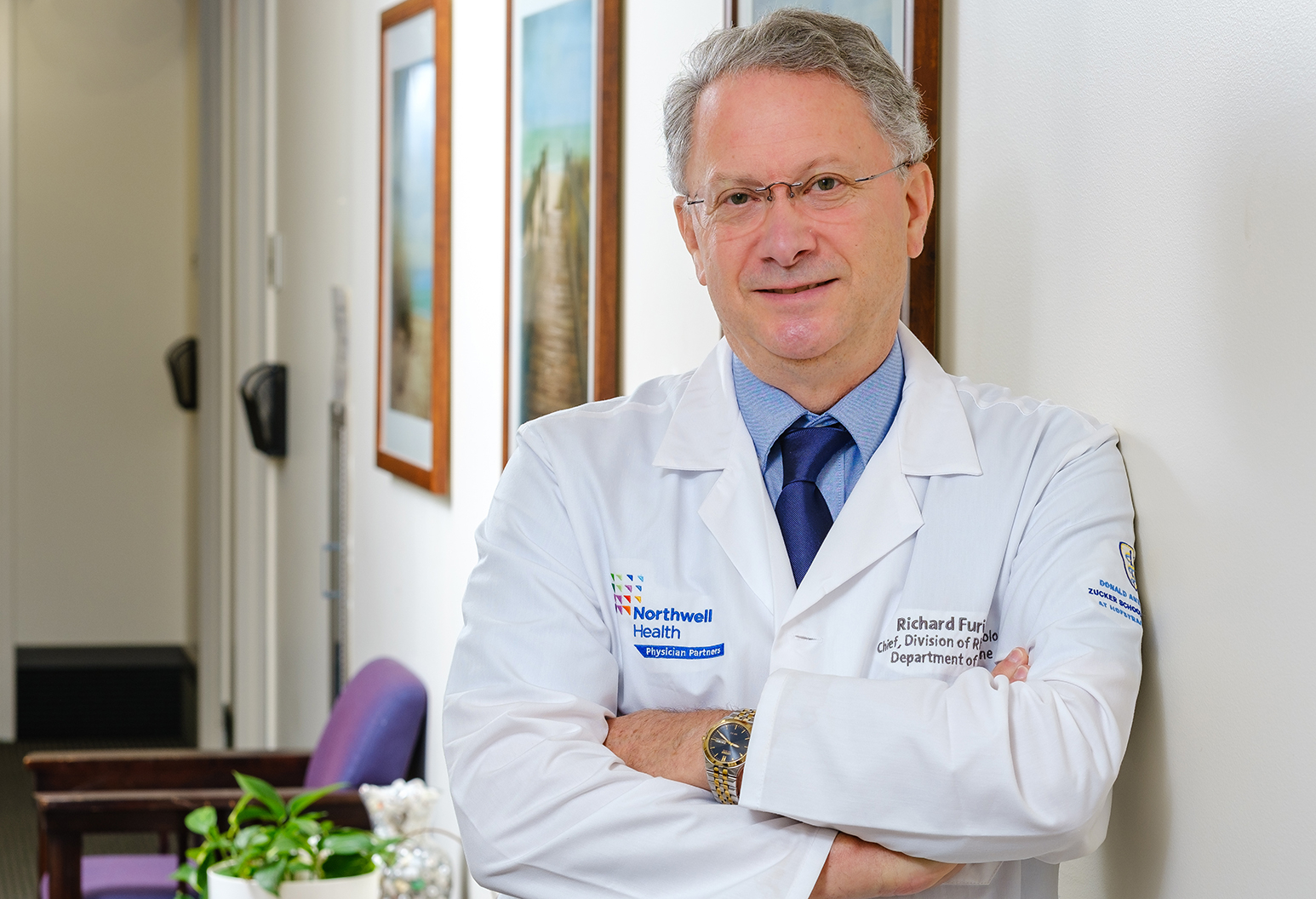
MANHASSET, N.Y.--(BUSINESS WIRE)--Northwell Health’s Division of Rheumatology and The Feinstein Institutes for Medical Research recently published in the New England Journal of Medicine (NEJM) data showing that an experimental lupus therapy reduced disease activity in joints of patients and globally improved their condition. The Biogen Inc.-sponsored phase 2 LILAC (Part A) clinical trial evaluated the efficacy of the investigational monoclonal antibody drug litifilimab (BIIB059) to treat systemic lupus erythematosus (SLE).
The trial, which was randomized, double-blind, placebo-controlled and led by Richard Furie, MD, chief of the Division of Rheumatology at Northwell, evaluated the efficacy and safety of litifilimab in two parts. Part B, which was published in NEJM in July 2022, looked at litifilimab’s effects on those with cutaneous lupus erythematosus (CLE). Part A’s results published September 8.
“Patients live with SLE their entire lives and experience chronic inflammation, pain and potentially organ failure,” said Dr. Furie, professor in the Institute of Molecular Medicine at the Feinstein Institutes. “The results from this trial show that litifilimab may effectively block the body’s production of harmful inflammatory molecules in people with SLE, easing their joint pain and improving overall disease activity.”
In patients with SLE, the immune system attacks the body’s tissues, causing widespread inflammation and damage to the affected organs. SLE impacts the joints, skin, brain, lungs, kidneys and blood vessels. There is no cure for lupus, but it can be treated with medical interventions. This second manuscript published in NEJM helps give a bigger picture to the potential litifilimab therapy holds for people with both systemic and cutaneous lupus.
“Inflammation is the hallmark of lupus,” said Kevin J. Tracey, MD, president and CEO of the Feinstein Institutes and Karches Family Distinguished Chair in Medical Research. “Under Dr. Furie’s leadership, this clinical trial may lead to a new and much-needed option for combatting inflammatory cytokines that worsen the disease.”
One hundred and thirty-two participants enrolled in the study were either given 450 mg of litifilimab or placebo subcutaneously every four weeks for 20 weeks, with an additional dose given at week two. Clinicians then analyzed the active joint counts in the trial’s enrollees, which determined that there was a greater reduction of swollen and tender joints than the placebo over 24 weeks. Effects on global disease as well as skin activity were also evaluated. Longer and larger trials are needed, and Biogen Inc. is currently enrolling two phase 3 studies in 31 countries worldwide and plans to initiate a pivotal study in cutaneous lupus erythematosus (CLE) later this year.
Dr. Furie is an internationally recognized leader in lupus research. Under his guidance, Dr. Furie helped lead several clinical trials that resulted in the Food and Drug Administration’s approval of new therapies for SLE. These included Saphnelo (anifrolumab) to treat SLE and Benlysta (belimumab) for lupus nephritis, the first approved therapy to treat that form of lupus.
About the Feinstein Institutes
The Feinstein Institutes for Medical Research is the home of the research institutes of Northwell Health, the largest health care provider and private employer in New York State. Encompassing 50 research labs, 3,000 clinical research studies and 5,000 researchers and staff, the Feinstein Institutes raises the standard of medical innovation through its five institutes of behavioral science, bioelectronic medicine, cancer, health system science, and molecular medicine. We make breakthroughs in genetics, oncology, brain research, mental health, autoimmunity, and are the global scientific leader in bioelectronic medicine – a new field of science that has the potential to revolutionize medicine. For more information about how we produce knowledge to cure disease, visit http://feinstein.northwell.edu and follow us on LinkedIn.
Contacts
Matthew Libassi
631-793-5325
mlibassi@northwell.edu