COVID-19 Study Links Psychotropic Medication to Increased Risk of Dementia in Older Adults
COVID-19 Study Links Psychotropic Medication to Increased Risk of Dementia in Older Adults
MANHASSET, N.Y.--(BUSINESS WIRE)--Recent studies have highlighted the connection between coronavirus disease 2019 (COVID-19) infection and the development of dementia. To identify additional factors putting individuals in danger of developing brain impairment, researchers from The Feinstein Institutes for Medical Research conducted a first-of-its-kind study that shows a link between the use of psychotropic medication before COVID-19 and post-COVID dementia in older adults (age 65 and older).
These findings emphasize the important relationship between pre-existing neuropsychiatric conditions, psychotropic medication and post-COVID dementia and may help shed light on future preventative strategies for dementia, an increasingly common and devastating disease. The research, published in Frontiers in Medicine, looked at the electronic health records (EHR) of 1,755 older adults hospitalized with COVID-19 at Northwell Health, the largest health system in New York State, between March 1 and April 20, 2020.
A striking 12.7 percent of patients (223) developed dementia within one year of follow-up. Of the 1,755 patients studied, 25 percent (438) were exposed to at least one psychotropic before their COVID diagnosis. Patients who were exposed to a psychotropic medication prior to their COVID diagnosis were almost three times more likely to develop dementia (24 percent vs. 9 percent).
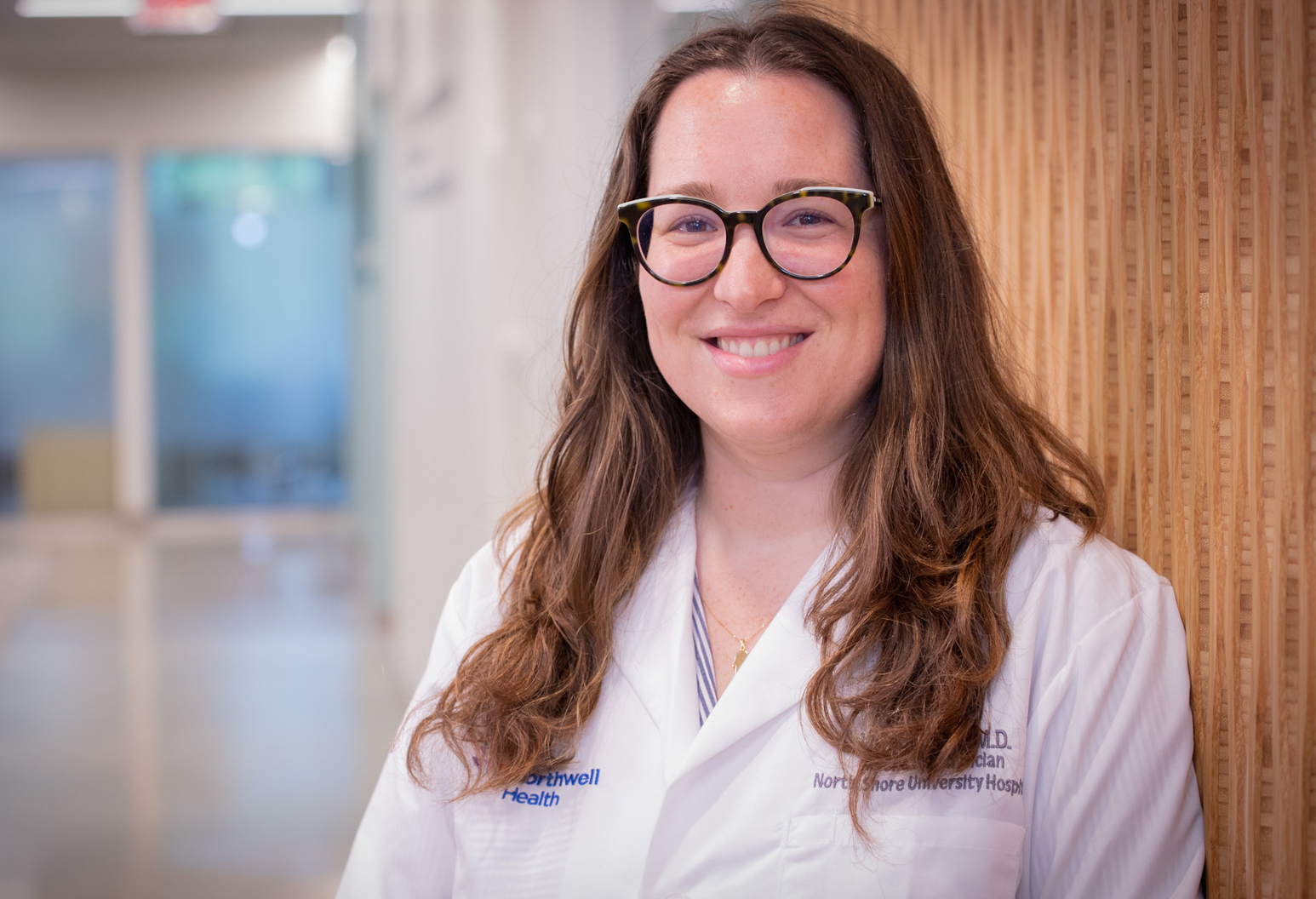
“COVID-19 can have a profound, lingering effect on a person's physical and mental health, particularly in older adults,” said Liron Sinvani, MD, assistant professor in the Institute of Health System Science at the Feinstein Institutes and the senior author of the paper. “We know that pre-existing psychiatric illness is associated with poor COVID-19 outcomes, but our study is the first to show an association with certain psychiatric medications and dementia.”
The medications used by the patients were classified as antipsychotics, antidepressants, benzodiazepines (for stress/anxiety), mood stabilizers, anticonvulsants and anti-Parkinson disease medications. The research found that antipsychotic medications and mood stabilizers/anticonvulsants were associated with more than a two-fold increased risk of incident post-COVID dementia. Also noted in the paper, delirium during COVID-19 admission was associated with a two-fold increased risk of post-COVID dementia.
“This research shows that psychotropic medications can be considered a predictive risk marker for post-COVID dementia. In patients taking psychotropic medications, COVID-19 could have accelerated progression of dementia after hospitalization,” said Yun Freudenberg-Hua, MD, associate professor in the Division of Geriatric Psychiatry of Northwell Health and assistant professor in the Institute of Molecular Medicine at the Feinstein Institutes, who is also the first author on the paper. “It is important to note that this study is no way recommending people should stop taking antipsychotics, but simply that clinicians need to factor in a patient’s medication history while considering post-COVID after effects.”
This study was done in collaboration with Northwell's Division of Geriatrics and Palliative Medicine. They assembled a research workgroup to focus on COVID-19 and its impact on geriatric patients during the pandemic. The Older Adult COVID Workgroup is part of the Collaboration of Aging and Advanced Illness Research and Education, a research arm that sits within the Department of Medicine. Their work aims to examine geriatrics-relevant factors that significantly impact decisions around medical care and response to treatments. In 2021, the research team published a study in the Journal of Gerontology, which identified older adults presenting to the hospital with atypical COVID-19 symptoms, such as functional decline and altered mental status.
“Dr. Sinvani and her team continue to shed new light on the impact COVID-19 has on older adults," said Kevin J. Tracey, MD, president and CEO of the Feinstein Institutes. "This study and future research may help inform clinicians on the mental health risks certain patients face when recovering from the virus.”
About the Feinstein Institutes
The Feinstein Institutes for Medical Research is the home of the research institutes of Northwell Health, the largest health care provider and private employer in New York State. Encompassing 50 research labs, 3,000 clinical research studies and 5,000 researchers and staff, the Feinstein Institutes raises the standard of medical innovation through its five institutes of behavioral science, bioelectronic medicine, cancer, health system science, and molecular medicine. We make breakthroughs in genetics, oncology, brain research, mental health, autoimmunity, and are the global scientific leader in bioelectronic medicine – a new field of science that has the potential to revolutionize medicine. For more information about how we produce knowledge to cure disease, visit http://feinstein.northwell.edu and follow us on LinkedIn.
Contacts
Matthew Libassi
631-793-5325
mlibassi@northwell.edu