Feinstein Institutes Receives $15 Million NIH Grant to Study Brain Dysfunction in Lupus
Feinstein Institutes Receives $15 Million NIH Grant to Study Brain Dysfunction in Lupus
MANHASSET, N.Y.--(BUSINESS WIRE)--The Feinstein Institutes for Medical Research has been awarded a $15 million grant to study brain dysfunction tied to lupus by the National Institutes of Health. Lupus, which affects up to 1.5 million Americans, is an autoimmune disease in which a person’s immune system attacks cells and organs through antibodies, causing most commonly rash, fever, and joint pain.
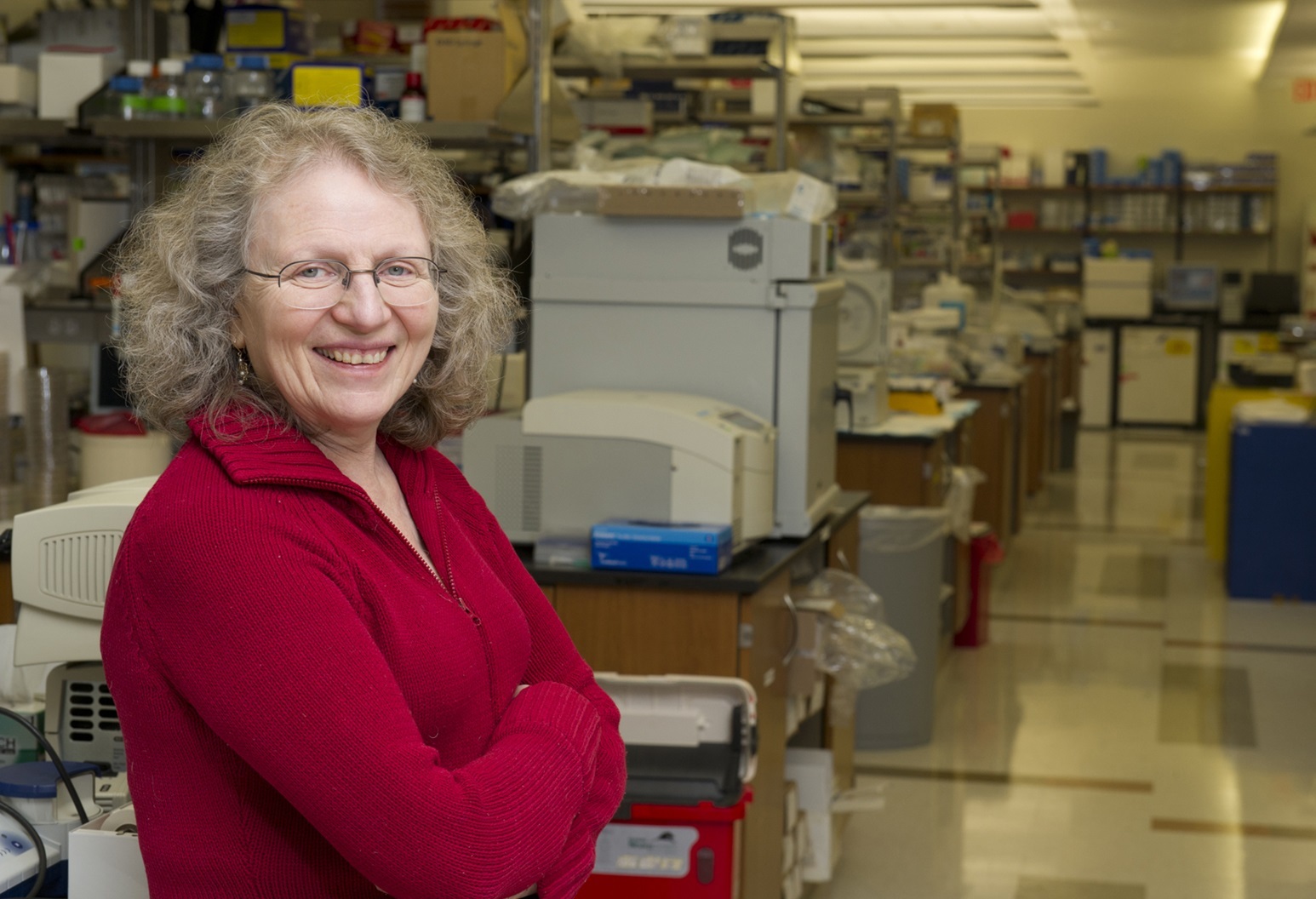
Betty Diamond, MD, director of the Feinstein’s Institute of Molecular Medicine, will use the five-year grant to investigate the role of anti-N-methyl D-aspartate receptor (NMDA), a receptor which is found in nerve cells that help control memory function, and its effect on adult brain dysfunction and fetal brain development of individuals with lupus.
For up to 90 percent of those with lupus, their disease may impact their cognition, leading to the diagnosis of neuropsychiatric lupus (NPSLE). Dr. Diamond’s work will look to understand how to improve the lives of those living with lupus and protect their children from developing the disease and NPSLE.
“We have researched NPSLE for 20 years, and that research shows that antibodies may create a chronic inflammatory state in the brain of adults and cause permanent cognitive impairment in their children who are exposed to these antibodies in pregnancy,” said Dr. Diamond. “With the NIH’s support, we will study if common medications could protect against these negative effects of lupus.”
Dr. Diamond will study the impact of antibodies cross-reactive to DNA and the NMDA, known as DNRAbs, which has shown to induce a chronic inflammatory state in the adult brain and cause permanent cognitive impairment in offspring exposed to these antibodies in vitro.
Using a mouse model developed in a previous study, Dr. Diamond and her team will investigate the mechanisms of microglial activation and how angiotensin-converting enzyme (ACE) inhibitors – common heart medications that widen or dilate blood vessels – to restore neuronal integrity. They will conduct brain imaging studies, including the use of multimodal positron emission tomography (PET) and magnetic resonance imaging (MRI) tools, in human SLE to investigate mechanisms of cognitive dysfunction in patients with this disorder. They will also determine how DNRAbs alter male and female fetal brain development and devise a strategy to protect the fetuses from these antibodies. Each phase of the study has the potential to suggest additional therapeutic targets for enhancing cognitive impairment in NPSLE.
“As an internationally recognized leader in the field of lupus, Dr. Diamond has been supported by the NIH for many years,” said Kevin J. Tracey, MD, president and CEO of the Feinstein Institutes. “This award is crucial to accelerating her pathfinding work into how lupus impairs brain function and behavior, one of the most important complications of this autoimmune disease.”
About the Feinstein Institutes
The Feinstein Institutes for Medical Research is the research arm of Northwell Health, the largest health care provider and private employer in New York State. Home to 50 research labs, 2,500 clinical research studies and 5,000 researchers and staff, the Feinstein Institutes raises the standard of medical innovation through its five institutes of behavioral science, bioelectronic medicine, cancer, health innovations and outcomes, and molecular medicine. We make breakthroughs in genetics, oncology, brain research, mental health, autoimmunity, and are the global scientific leader in bioelectronic medicine – a new field of science that has the potential to revolutionize medicine. For more information about how we produce knowledge to cure disease, visit feinstein.northwell.edu.
Contacts
Matthew Libassi
516-465-8325
mlibassi@northwell.edu