5 Takeaways from PRSA ICON 2026 for Communicators
Communicators are being asked to do more than get their organization's news out. They need to earn trust, navigate AI-driven discovery, reach the right audiences, and demonstrate how their work contributes to business goals.
Those challenges were front and center at PRSA ICON 2026, held October 18–20 in Orlando, Florida. Throughout the conference, public relations professionals exchanged ideas about industry challenges, the growing influence of artificial intelligence (AI), and the importance of creating stories that resonate with audiences.
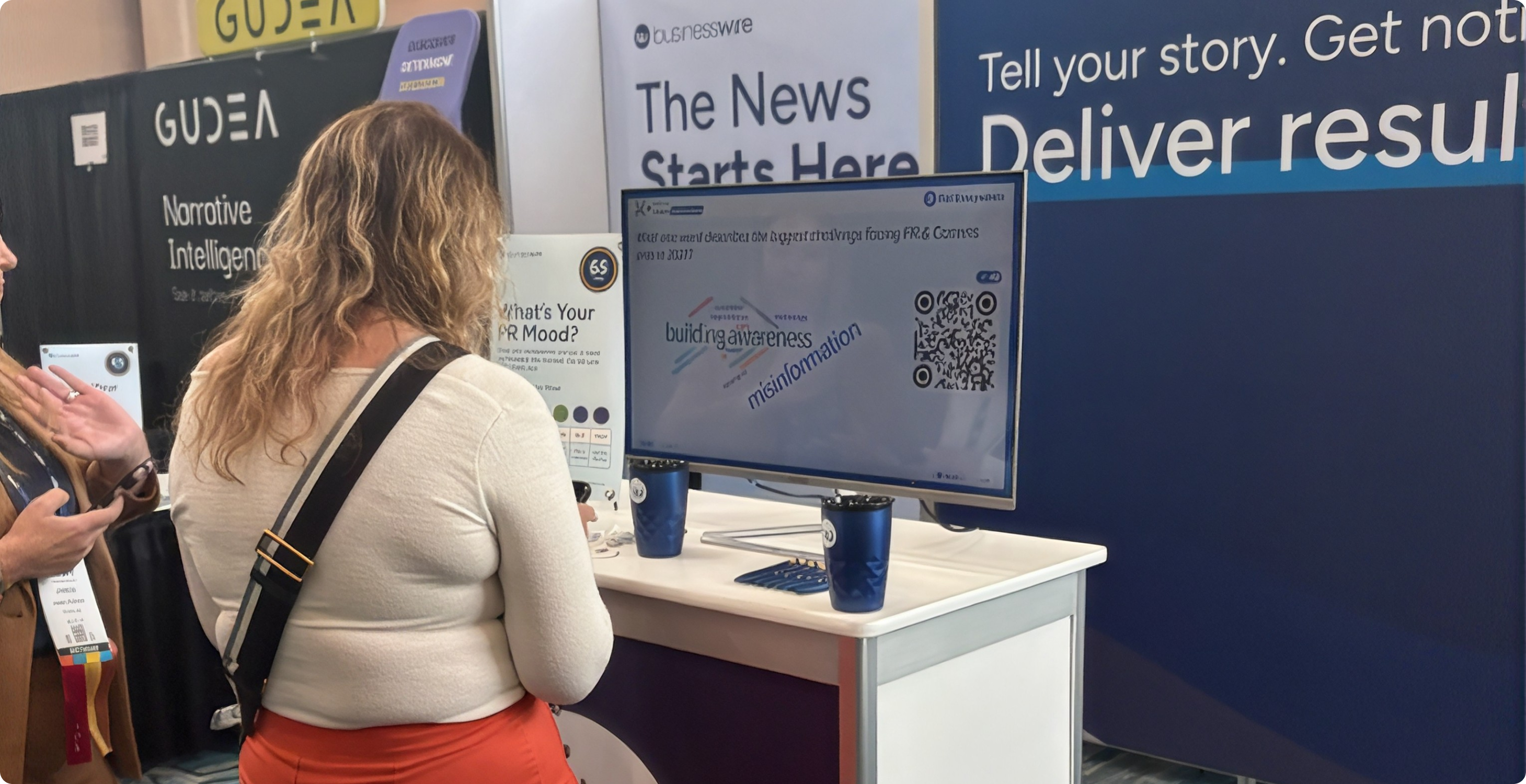
Business Wire captured some of those perspectives through a live poll at its booth, asking attendees about the issues affecting their work and the priorities they're considering for 2027. A breakout session featuring communicators from Marriott Vacations Worldwide and Coca-Cola Beverages Florida also explored how organizations can turn local moments into stories with broader appeal.
Together, the conversations offered a snapshot of what's ahead for the industry. While technology is reshaping how news is created and discovered, trust, relevance, meaningful storytelling, and strong relationships remain central to effective communications.
What Business Wire’s Booth Poll Revealed
Business Wire conducted an informal booth poll at PRSA ICON 2026 to gather perspectives from participating attendees. The questions on industry impact and target audiences each received 26 responses, while the question on 2027 priorities received 11 responses. For the open-ended question about communications challenges, attendees submitted 38 answers from 29 unique participants. The results offer a snapshot of the views shared by poll participants.
AI and misinformation are changing communications.
When asked which factors would have the biggest impact on their work over the next 12 months, 8 of 26 respondents (30.8%) identified AI-generated content. Another 8 respondents (30.8%) selected misinformation and trust.
These responses reflect the concerns participating attendees are considering as they navigate evolving content creation practices and the importance of accuracy, credibility, and transparency.
AI tools and measurement are leading priorities for 2027.
When asked what they planned to prioritize in the coming year, AI tools and measurement tied for the top priorities, with 4 respondents selecting each. Communicators are thinking about how to incorporate new technology into their workflows while also finding better ways to demonstrate the value of their work.
Reaching the right audiences remains important.
Local media was the most frequently selected target audience, with 8 of 26 respondents (30.8%) selecting it, followed by national media at 6 of 26 (23.1%) and industry trade publications at 4 of 26 (15.4%). These responses reinforce that audience relevance matters. Depending on the announcement, reaching a local community, industry-specific publication, or national outlet may be more valuable than simply pursuing the broadest possible exposure.
Getting noticed continues to be a challenge.
Attendees also shared challenges they expect to face in 2027. Trust and authenticity, along with AI, were the most frequently mentioned themes, with 8 mentions each. Awareness, reach, and distribution followed, with 6 mentions. Other responses touched on measurement, budgets, politics, and polarization.
These challenges aren't new, but they take on added importance as audience habits evolve and competition for attention grows.
So, what do these findings mean for communications professionals planning for 2027? Five takeaways from the conversations at ICON offer some direction.
1. AI Continues to Change Communications, But Trust Still Matters
AI is changing how communicators research topics, create content, and reach audiences. While these tools offer new opportunities to work efficiently, producing more content doesn't automatically build credibility.
The poll results highlight both concerns: Attendees identified AI-generated content and misinformation and trust as equally influential factors shaping their work over the next year.
As AI-generated information becomes more common, audiences need reliable sources to verify claims and find context. Communicators can help by prioritizing accuracy, using clear language, and providing information that reflects their organization's official position. AI can support research and drafting, but human judgment remains essential.
It's also important to consider how audiences discover information. As people turn to search engines and AI-powered tools to find news and research organizations, well-structured, accessible content can make company announcements easier to discover and reference.
Using AI thoughtfully while prioritizing accuracy and credibility will help communicators make the most of these tools without compromising the value of their work.
2. The Strongest Stories Start with People, Not Brands
Business Wire’s breakout session at ICON explored a simple but powerful idea: Stories can travel much farther when they're rooted in something people genuinely care about.
During Micro Moments, Macro Impact: How Local Stories Go Global—and Back Again, Kate Sondossi of Marriott Vacations Worldwide and Kiersten Bingham of Coca-Cola Beverages Florida discussed how communicators can find meaningful local stories and connect them with broader audiences.
Marriott Vacations Worldwide: Finding the Bigger Story in a Local Moment
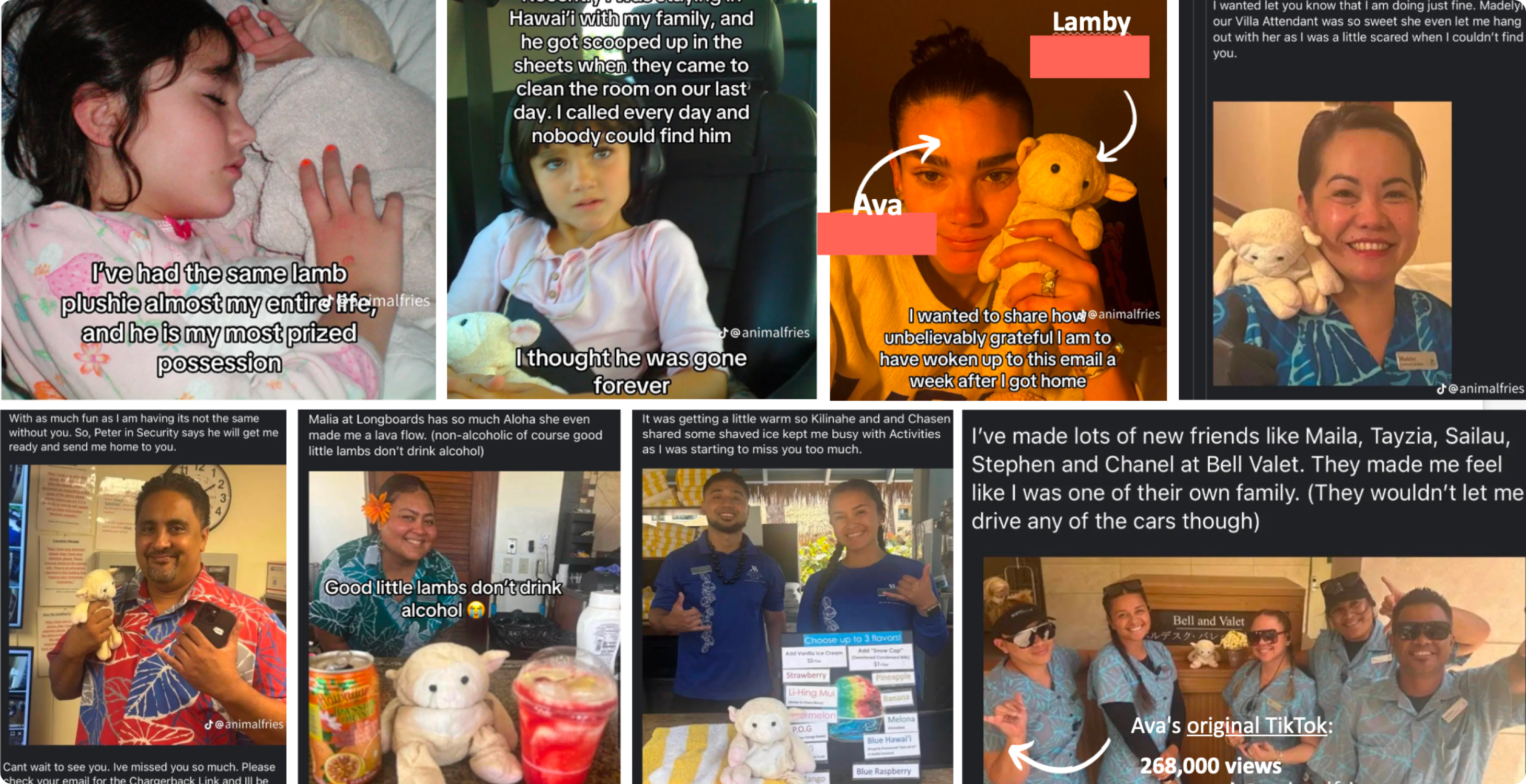
Kate Sondossi shared the story of Lamby, a cherished childhood stuffed animal accidentally left behind during a family vacation at Marriott Vacations Worldwide’s Ko Olina Beach Club in Hawaii. After finding Lamby in the resort’s laundry center, team members took him on a series of adventures around the property, capturing photos to reassure Lamby’s owner and make his return extra special. The thoughtful gesture sparked a viral story and widespread media attention, with Marriott Vacation Clubs’ social media team later sending a personalized care package.
The example demonstrated that compelling stories don’t always begin with a major corporate announcement or a carefully planned campaign. Sometimes, they emerge from genuine moments of care that create an emotional connection and resonate far beyond the original experience.
The larger lesson: Authenticity gives a story its staying power. When people can connect with the experience behind a message, they're more likely to find it meaningful.
Coca-Cola Beverages Florida: Making a Global Brand Feel Local
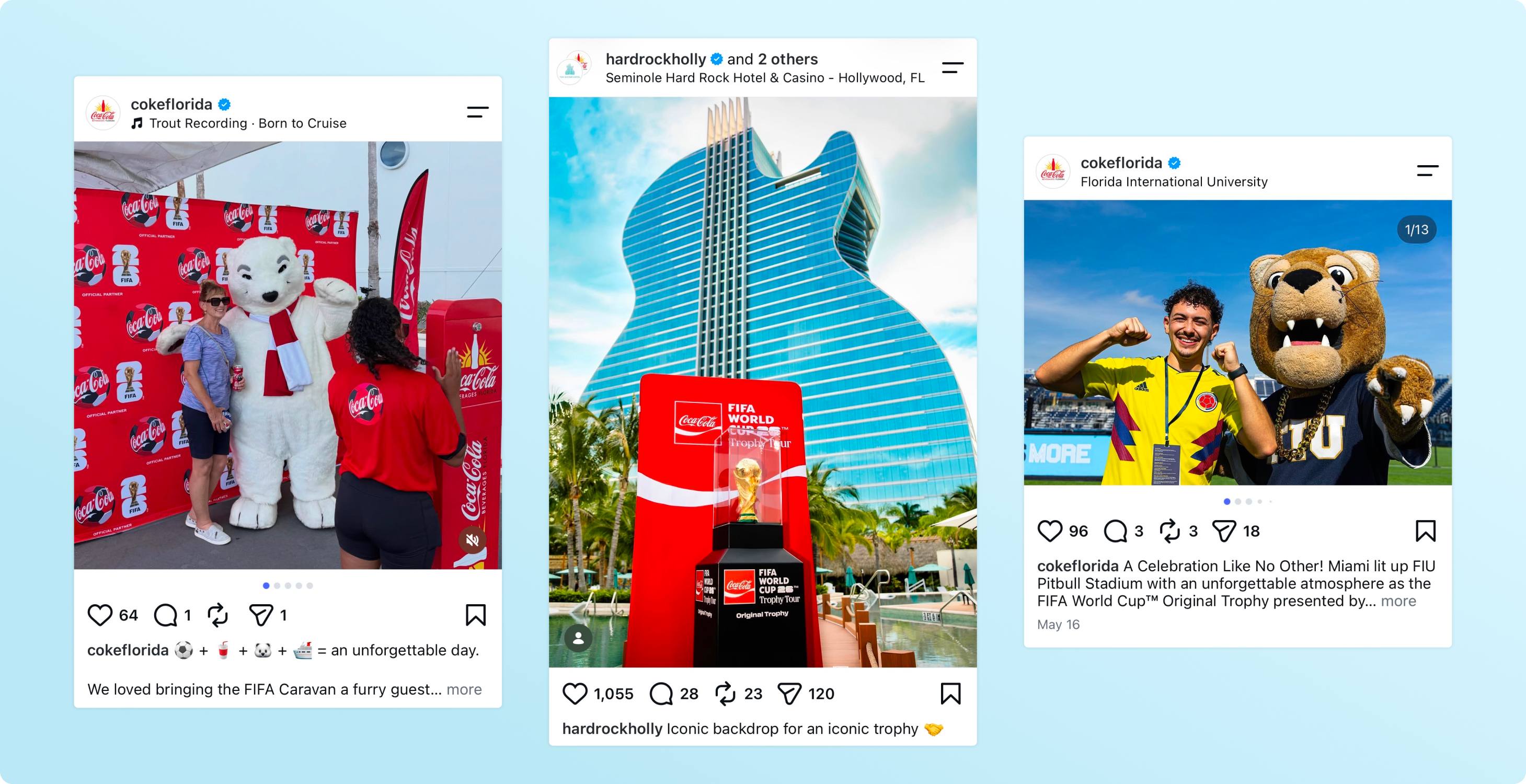
Kiersten Bingham shared a different perspective, explaining how a globally recognized brand can make broader initiatives meaningful within individual communities.
For organizations with a large geographic footprint, local storytelling helps connect corporate priorities with the people and places they affect. Employees, community members, and local partners can help bring those stories to life by sharing experiences that audiences recognize and relate to.
What the Panel Recommended
The discussion highlighted these practical lessons for communicators:
- Authenticity is the amplifier. Stories resonate when they're grounded in genuine experiences, relationships, and values.
- Your people are the story. Look beyond executives and corporate announcements to find meaningful perspectives from employees, customers, and community members.
- Shape stories for relevance. Adapt the message and framing to the audience without losing what makes the original story authentic.
- Measure what you shaped for. Choose metrics that reflect the intended audience and the purpose of the communications effort.
- Local and global storytelling work together. Local stories can reach broader audiences, while global initiatives become more meaningful when connected to local experiences.
One idea from the conversation captures the relationship between storytelling and visibility particularly well: Reach doesn't create relevance. Relevance creates reach.
The takeaway is simple: A story needs to give people a reason to pay attention, not just reach a larger audience.
3. Measurement Needs to Connect Communications to Business Goals
Measurement tied with AI tools as the top 2027 priorities among respondents to Business Wire's booth poll, with 4 participants selecting each. This points to an interest in connecting PR activities to business goals and demonstrating their value.
Reach, impressions, media placements, and engagement provide useful insights, but the right measures depend on the purpose of the announcement. A community initiative may prioritize local awareness, while an investor announcement focuses on reaching financial audiences and a product launch looks at media coverage and audience interest.
The key is to define success before distributing the news. Ask yourself:
- Who needs to know about this announcement?
- What do we want the audience to understand or do?
- Which channels will best reach that audience?
- What metrics will help evaluate results?
Press release reporting and analytics help communicators understand reach, engagement, and audience activity. These insights can inform future strategies, demonstrate the value of communications, and support more informed decisions.
4. Reaching the Right Audience Takes More Than Publishing a Message
In Business Wire's booth poll, local media was the most frequently selected target audience, followed by national media and industry trade publications. The responses highlight the range of audiences communicators consider when planning how to share their news.
With crowded media environments, limited budgets, and tight timelines, a focused outreach strategy is especially important. Start with a few key questions:
- Who needs to know? Consider media, investors, customers, employees, industry stakeholders, and local communities.
- Why will they care? Identify what makes the announcement relevant to each audience.
- Where do they get their news? Consider local and national publications, industry trades, and digital channels.
- How can you reach them? Determine whether multimedia, targeted outreach, or broader distribution will best support your goals.
Local relevance and broad visibility can also work together. A story that starts in one community can resonate with audiences elsewhere, while national and global announcements can become more meaningful when connected to local experiences.
A thoughtful distribution strategy helps organizations connect their news with relevant media and audiences across local, national, and international markets.
5. Relationships and Collaboration Still Move the Industry Forward
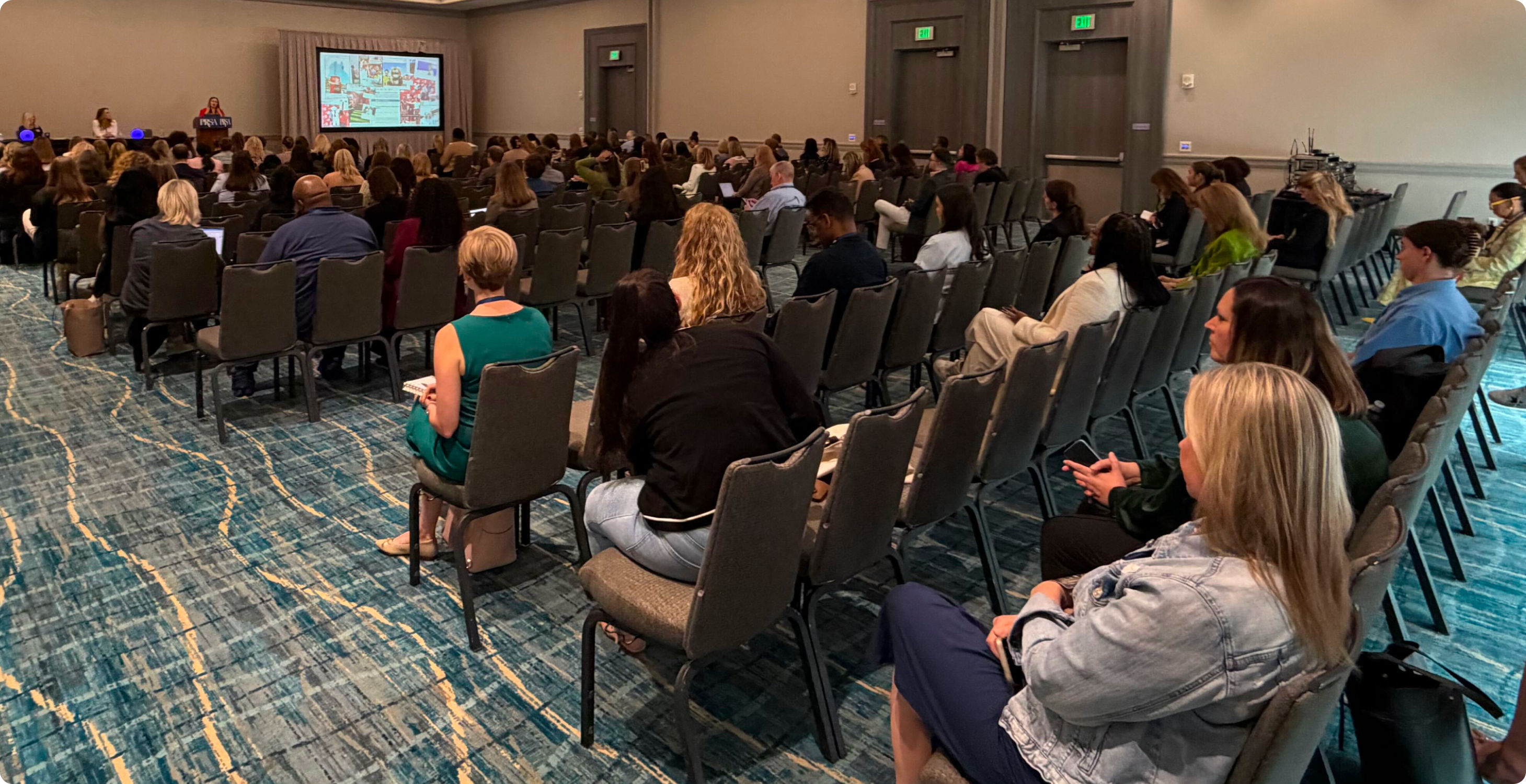
While AI, measurement, and visibility were recurring topics at ICON, the conference also highlighted the value of personal connections. The Micro Moments, Macro Impact breakout attracted attendees from private companies, government, agencies, and student communities. Conversations continued after the Q&A, with participants connecting with panelists and exchanging ideas.
Networking throughout the conference brought together professionals across organizations, career stages, and PRSA chapters. The opening celebration also showcased Orlando's diverse culture, creating a fitting backdrop for conversations about community and local relevance.
These connections create opportunities to learn from peers, build mentoring relationships, and bring fresh ideas back to the workplace.
Looking Ahead: Keep People, Purpose, and Visibility at the Center
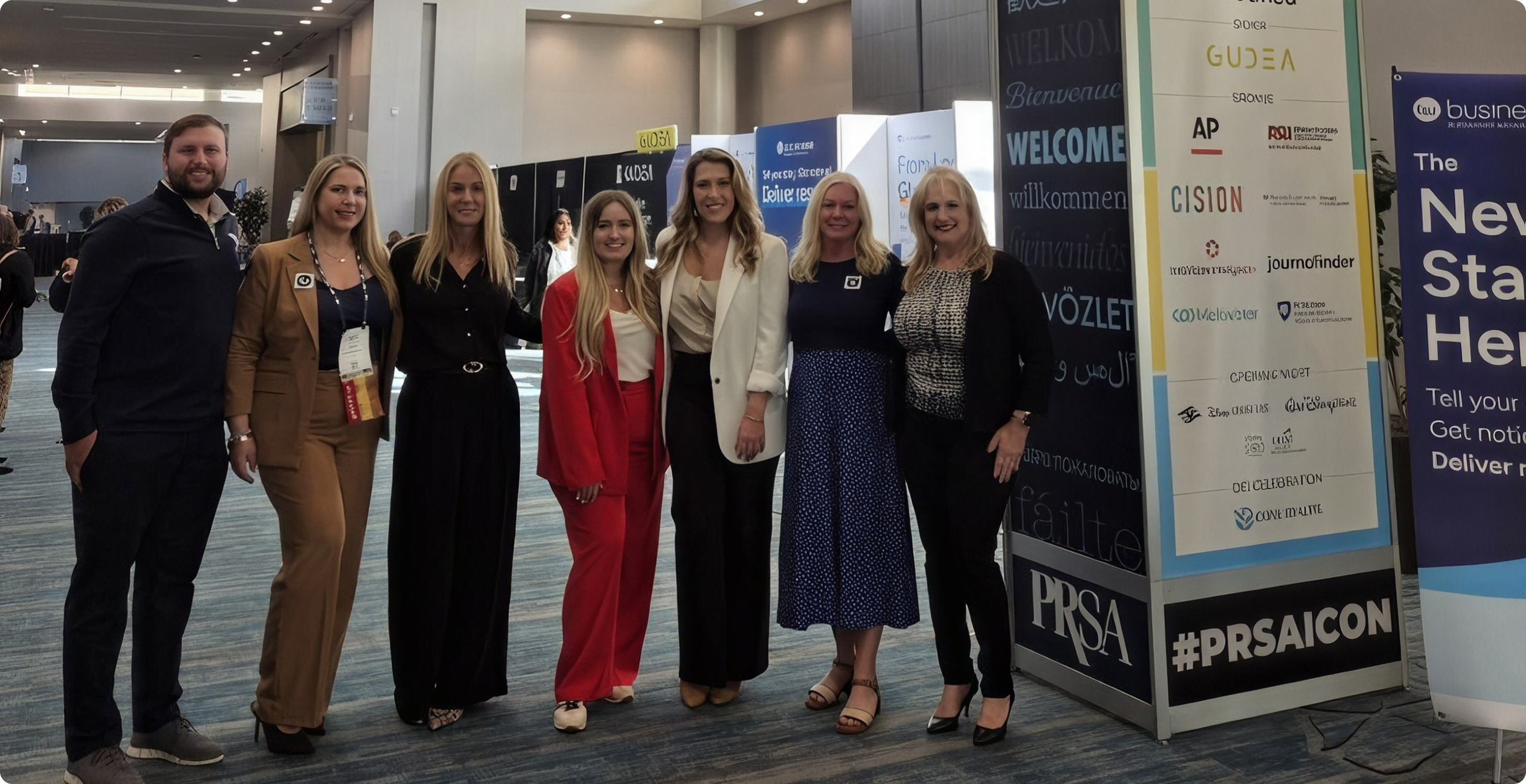
Conversations at PRSA ICON 2026 offered a glimpse into the priorities shaping communications as professionals plan for the year ahead.
AI’s influence on how organizations create content and how audiences discover information was a recurring theme. Trust and credibility remain grounded in accuracy, context, and sound judgment. Storytelling continues to be most effective when it reflects real people and experiences, while measurement helps communicators connect their efforts to meaningful outcomes.
The conversations also highlighted the importance of increasing visibility by reaching the right audience, rather than simply reaching a larger one.
For communicators planning for 2027, the takeaways from ICON emphasized using new tools thoughtfully, creating credible and relevant stories, connecting with the audiences who need them, and understanding the impact of those connections.
Technology can help news travel, but people and purpose give it meaning.