New Research from AIA, Supported by Oldcastle BuildingEnvelope, Finds Growing Demand for Integrated Security in Building Design
New Research from AIA, Supported by Oldcastle BuildingEnvelope, Finds Growing Demand for Integrated Security in Building Design
Study highlights rising demand for holistic safety strategies that balance physical protection, natural light, and occupant well-being.
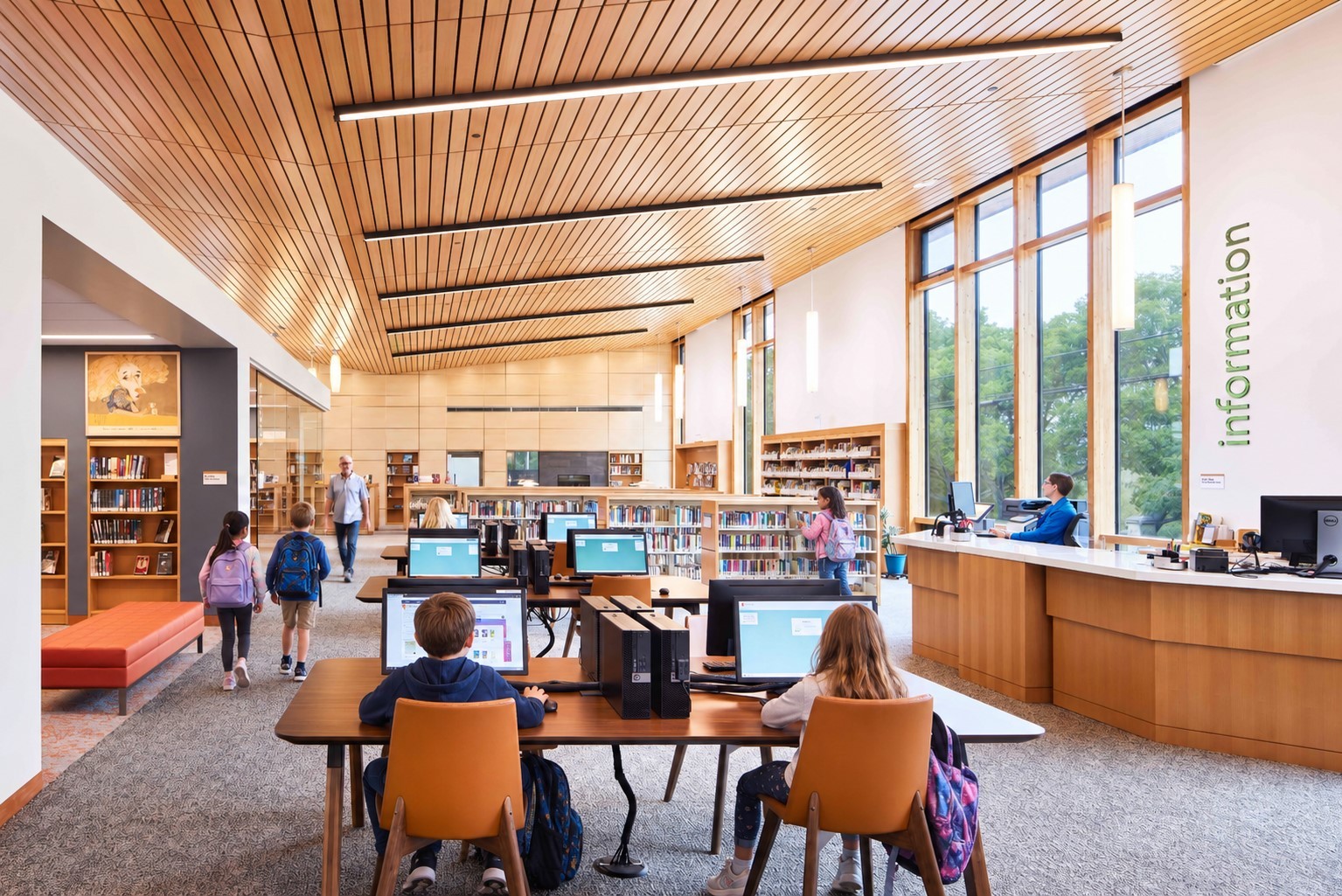
DALLAS--(BUSINESS WIRE)--Oldcastle BuildingEnvelope, Inc. (OBE), North America’s leading vertically integrated manufacturer, fabricator, and distributor of architectural hardware, glass, and glazing systems, today announced the release of Safety & Security in Design, a joint research report published in strategic partnership with The American Institute of Architects (AIA).
The nationwide study examines how architects and specifiers across diverse project sectors incorporate safety and security into project planning, design, and material selection. Findings confirm a fundamental industry shift: security has evolved from a reactive, standalone addition into a baseline design requirement.
Rather than relying on isolated "hardened" measures, architects across all firm types are adopting multi-layered strategies that combine controlled access, visual transparency, operational awareness, and advanced material selection. While K-12 leads growth expectations—with 78.7% of architects expecting security considerations in school design to increase—significant growth is also anticipated in data centers (69.2%) and healthcare facilities (64.2%) over the next three years.
"Creating safe environments requires balance. Buildings must protect occupants against physical threats while remaining warm, daylight-filled, and conducive to their primary purpose," said Mark Adamson, CEO of Oldcastle BuildingEnvelope. "As design teams navigate evolving building codes, tighter budgets, and complex testing standards, our role as a technical ally is to make achieving that balance easier through transparent testing data, early collaboration, and reliable system performance."
Key Insights for Architectural and Facility Design Teams:
- Layered Defense Over Hardening: Controlled access points lead safety design decisions across all sectors (78.0%), rising to 95.3% in K-12 education. Architects are combining entry controls with surveillance (60.0%) and visibility strategies (55.0%), driving demand for high-performance security glazing that maintains natural light and open sightlines while satisfying critical forced-entry delay requirements.
- Sector-Specific Priorities & Perceived Risk: Safety integration varies significantly by building type. While education and data centers lead universal adoption, architects report tailored approaches across retail, mixed-use, and commercial spaces, balancing flow and open circulation with localized threat mitigation.
- Evaluating Performance Remains a Friction Point: While safety expectations are rising, 36.5% of architects report challenges in evaluating performance differences between security products, emphasizing a strong need for clear, verified testing data and early manufacturer collaboration.
- Cost and Code Compliance: Product cost (62.7%) and evolving standards remain top implementation hurdles. Pragmatic design strategies, including targeted security applications and verified forced-entry assemblies, offer building owners and school districts cost-effective pathways to add layered protection within budget.
As architectural firms and building owners, including school districts, work to implement these layered strategies across new construction and retrofits, OBE continues to support the AEC community with single-source, integrated glass and glazing solutions. By engineering glass, architectural metal, and hardware to perform cohesively under rigorous safety protocols, including the latest forced-entry testing standards like ASTM F3561, OBE helps design teams fulfill complex protective requirements without compromising architectural vision, energy efficiency, or daylighting goals.
"Protecting our built environment is a shared responsibility across architects, facility owners, and manufacturers," added Adamson. "We are proud to support the AIA in bringing these insights to light, and we remain dedicated to serving as a trusted partner in building safer, more resilient communities."
To download the full research report, please visit Safety & Security in Design.
About Oldcastle BuildingEnvelope, Inc.
Oldcastle BuildingEnvelope, Inc. (OBE) is North America’s leading vertically integrated manufacturer, fabricator, and distributor of architectural hardware, glass, and glazing systems. As a single-source provider of industry-defining brands, including CRL, the premier manufacturer of hardware and supplies, and Graham Architectural Products, a leader in high-performance window systems, OBE delivers a comprehensive portfolio of building solutions.
Headquartered in Dallas, Texas, OBE operates a world-class network that supports architects, glaziers, and developers across every major market in the U.S. and Canada as well as Europe and Australia. By combining the specialized expertise of its award-winning brands with massive international scale, OBE provides the technical excellence and integrated supply chain required for the most complex residential and commercial construction projects. For more information, visit www.obe.com.
Contacts
Media Contact:
Emilee Gilbert
Director, Communications
Oldcastle BuildingEnvelope
Emilee_gilbert@crlaurence.com