Cargill Expands Renewable Electricity Portfolio in the Central United States
Cargill Expands Renewable Electricity Portfolio in the Central United States
Solar and wind projects in Oklahoma and South Dakota expected to support approximately 3.3 million MT of emissions reductions over their lifetime
- Cargill is adding solar and wind projects to its renewable electricity portfolio in the United States.
- Both projects are located in the Southwest Power Pool (SPP), where Cargill operates several large food production and processing facilities.
- These projects build on Cargill’s broader renewable electricity efforts, including six VPPAs in North America and a global portfolio of more than 100 renewable energy projects across 30 countries.
- This work helps reduce emissions associated from electricity consumption from Cargill’s operations, while supporting customers’ emissions reduction goals by reducing emissions linked to the products they source from the company.
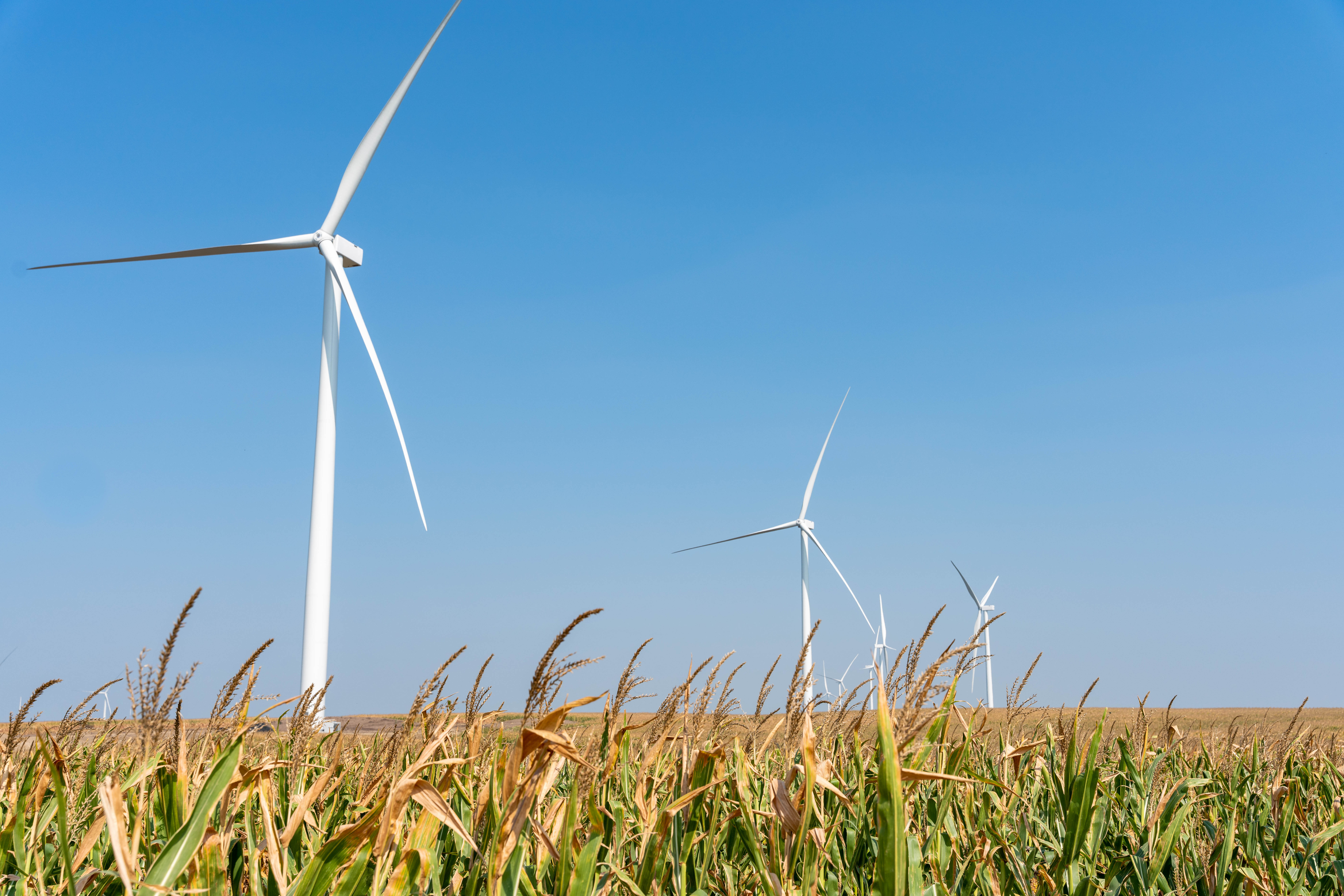
MINNEAPOLIS--(BUSINESS WIRE)--Cargill is expanding its renewable electricity portfolio in the United States through solar and wind projects in Oklahoma and South Dakota. By focusing on regions where it operates, the company is working to reduce emissions from how food is produced and processed while supporting more resilient and efficient operations.
Cargill has entered into a virtual power purchase agreement (VPPA) for 87 megawatts (MW) of wind power from the Sweetland Wind project in South Dakota. The 12.6-year agreement is expected to generate approximately 392,000 megawatt-hours (MWh) of renewable electricity annually, supporting a reduction of approximately 162,000 metric tons (MT) of carbon dioxide equivalent (CO2e) emissions per year from Cargill’s operations.
Cargill also previously executed a long-term VPPA for the full output of the 85 MW Choctaw Fields Solar project in Oklahoma. The project began commercial operations in August 2026 and is projected to reduce approximately 1.30 million MT of CO2e emissions over the life of the agreement, or approximately 86,000 MT annually.
Combined, the two projects are expected to support approximately 3.3 million MT of emissions reductions over the contract terms.
Both projects are located within the Southwest Power Pool (SPP), a regional grid serving much of the central United States. This includes states where Cargill operates large facilities that produce and process products such as beef, sweeteners and feed ingredients. And because Cargill’s operations are part of its customers’ supply chains, reducing the emissions associated with our operational electricity consumption can reduce emissions associated with the products customers source from Cargill – helping support progress toward their emissions reduction goals.
“Our customers are looking for ways to reduce emissions from the products they source from us, and we’re partnering closely with them to support their goals,” said Christina Yagjian, senior director of global renewable energy at Cargill. “By expanding renewable electricity in the regions where we operate, we can connect our energy sourcing more directly to the products and ingredients we supply to our customers. We continue to work with developers to find practical, creative opportunities to grow our renewable portfolio in a complex and competitive energy market while supporting reliable and resilient energy sourcing for our operations.”
Virtual power purchase agreements (VPPAs) are contracts that support renewable energy projects. The electricity is delivered to the regional grid, and companies receive the environmental attributes associated with that renewable energy. Cargill uses VPPAs as one of several ways it is working to manage energy use, support operational resilience and reduce emissions from its operations.
These projects are part of Cargill’s broader approach to energy across its operations. The company’s renewable electricity portfolio includes six VPPAs in North America and more than 100 projects across 30 countries. Cargill continues to look for practical opportunities to grow its renewable electricity portfolio in regions where it operates, supporting its broader effort to reduce absolute Scope 1 and 2 emissions by 25% by 2035 from a 2020 baseline.
Frequently asked questions
What is a virtual power purchase agreement (VPPA)?
A VPPA is a contract that supports renewable energy projects. The electricity is delivered to the regional electricity grid, and the company receives the environmental attributes associated with that renewable energy, even though the power is not sent directly to its facilities.
How do Cargill’s renewable electricity projects support customers’ climate goals?
Cargill’s operations are part of customer supply chains. Reducing emissions associated with electricity consumption in our operations can help address emissions associated with the products customers source from Cargill and support progress toward their emissions reduction goals.
What else is Cargill doing to reduce emissions from its operations?
Cargill is using a range of approaches to reduce emissions from its operations globally, including renewable electricity, energy efficiency, onsite energy generation and other improvements to how its facilities use and produce energy.
About Cargill
Cargill is committed to providing food, ingredients, agricultural solutions, and industrial products to nourish the world in a safe, responsible, and sustainable way. Sitting at the heart of the supply chain, we partner with farmers and customers to source, make and deliver products that are vital for living.
Our 155K+ employees innovate with purpose, providing customers with life’s essentials so businesses can grow, communities prosper, and consumers live well. With 160 years of experience as a family company, we look ahead while remaining true to our values. We put people first. We reach higher. We do the right thing—today and for generations to come. For more information, visit Cargill.com and our News Center.
Contacts
Lizzi Hagg
media@cargill.com