Guide Dogs for the Blind Launches PSA to Raise Awareness About Illegal Access Denials of Guide Dog Teams by Businesses
Guide Dogs for the Blind Launches PSA to Raise Awareness About Illegal Access Denials of Guide Dog Teams by Businesses
- Satirical Ad Highlights Service Denials by Restaurants, Rideshares, and Hotels GUIDE DOGS FOR THE BLIND LAUNCHES PSA TO RAISE AWARENESS ABOUT ILLEGAL ACCESS DENIALS OF GUIDE DOG TEAMS BY BUSINESSES
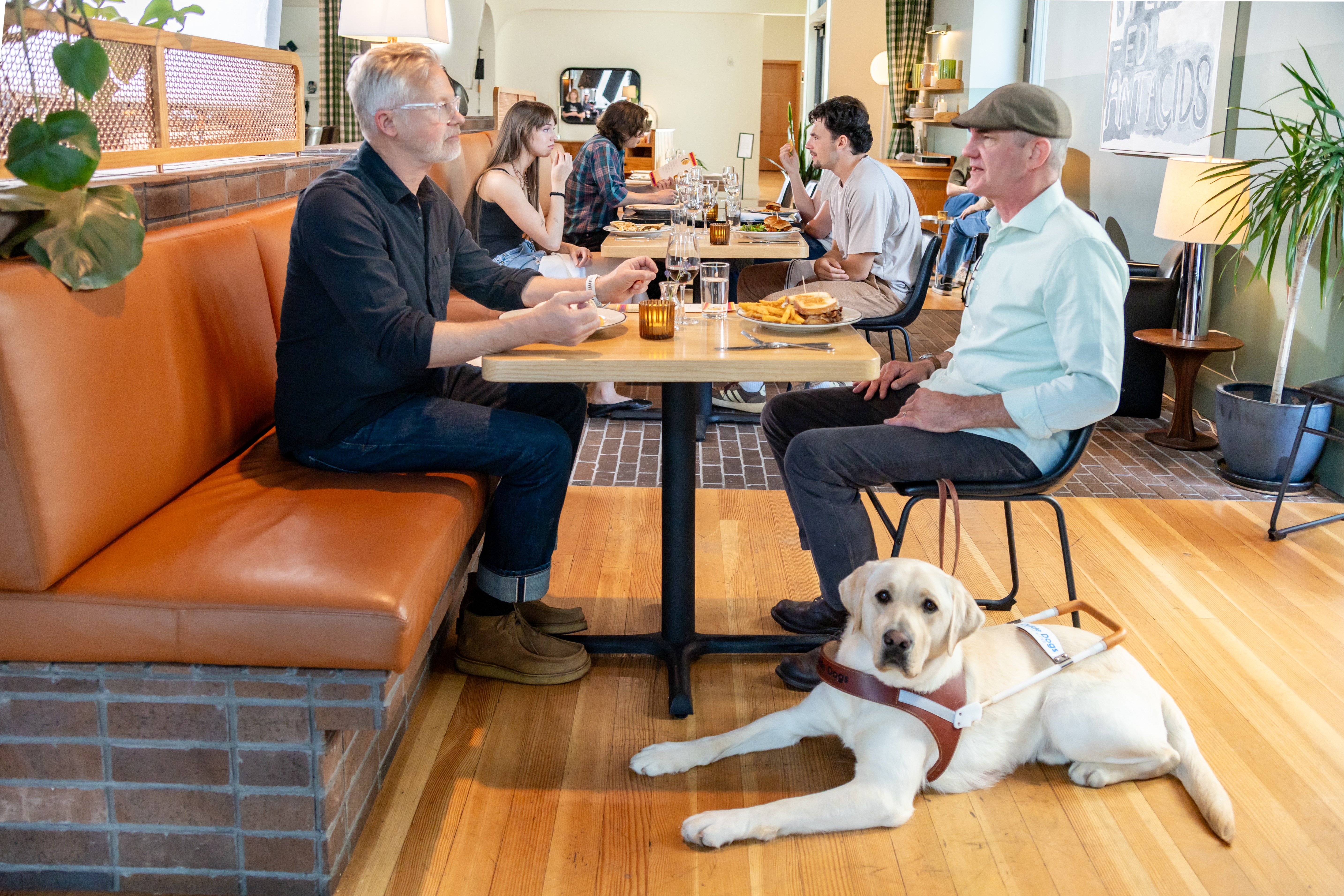
SAN RAFAEL, Calif.--(BUSINESS WIRE)--Guide Dogs for the Blind (GDB) will launch a nationwide broadcast public service announcement (PSA) this week to raise awareness about the global problem of service dogs and their handlers being denied access by businesses, despite such denials being against the law in the U.S. and Canada.
The 60-second PSA aims to address several contributing factors of the problem. These issues include a lack of awareness regarding the Americans with Disabilities Act (ADA) in the U.S. and relevant human rights laws across Canada that prohibit these denials. Additionally, they stem from staff being unable to distinguish between legitimate and fake service dogs, alongside general misconceptions about people with disabilities. Guide dog teams face more denials on average than other service animals.
The spot is called “Nonsense,” and uses humor to highlight the most common types of guide dog team denials, including those by restaurants, rideshares, and hotels. The spot spoofs these denials by juxtaposing them with other types of “nonsensical” denials, such as a restaurant hostess turning away people carrying birthday presents and a rideshare driver refusing to pick up a person going to a job interview. The tagline, “Let them in. Let them work.” underscores the difference between working service dogs and pets.
GDB hopes the PSA will raise awareness about how widespread the problem is for guide dog teams. One of the motivations for the PSA was a benchmark survey conducted by GDB of its alumni who are guide dog users. The survey found that a staggering 83 percent of respondents had experienced denials from rideshare drivers because of their guide dogs, which caused not only inconvenience and anxiety but also economic and social impacts.
“We are very motivated to find lasting solutions to this issue in the blindness community, and two key components to any solution are to raise awareness about it among the general public and to educate businesses about the truly harmful effects of these denials,” said Christine Benninger, president and CEO of Guide Dogs for the Blind. “But we also hope that by using irony and humor, more businesses will embrace guide dogs in their establishments by letting them in and letting them work.”
GDB will support the PSA through paid advertising, public relations, partnerships with allied organizations, and social media. In addition to the standard PSA that will run in multiple channels and television markets in the U.S., an audio-described version will also be available online.
Advocacy is foundational to all of GDB’s work. The organization recently designated April as its inaugural Advocacy Awareness Month, to help create a more inclusive world by removing obstacles and teaching people about laws that make the world more accessible to everyone.
To watch the new PSA, visit guidedogs.com/access-psa.
About Guide Dogs for the Blind
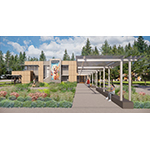
Headquartered in San Rafael, Calif., Guide Dogs for the Blind (GDB) is a passionate community that prepares highly qualified guide dogs to empower individuals who are blind or visually impaired to move through the world more safely and confidently. As one of the largest guide dog schools in the world, nearly 18,000 clients have graduated from GDB from across the U.S. and Canada since our founding in 1942. Over the course of more than 80 years, GDB’s mission has expanded to three kinds of programs: a Guide Dog Mobility Program, an Orientation and Mobility (O&M) Program, and a K9 Buddy Program. GDB not only improves mobility for its clients, but it also furthers inclusion and advocates for policy reforms that change how the world views blindness. GDB broke ground in early 2026 on a new state-of-the-art client residence and community hub that will more than double its capacity to serve clients at its campus in Boring, Ore. GDB’s services are provided free of charge, and it receives no government funding. The organization was the subject of an award-winning documentary feature called Pick of the Litter, which is available on various streaming platforms. For more information, visit guidedogs.com, or call 800.295.4050.
Contacts
Barbara Zamost
barbara@zamostpr.com
(415) 987-2810