Beneficial Bugs to the Rescue: Ag Officials Release Natural Predators to Stop Invasive Pests
Beneficial Bugs to the Rescue: Ag Officials Release Natural Predators to Stop Invasive Pests
April’s Invasive Plant Pest and Disease Awareness Month highlights innovative pest management approaches, including beneficial insects
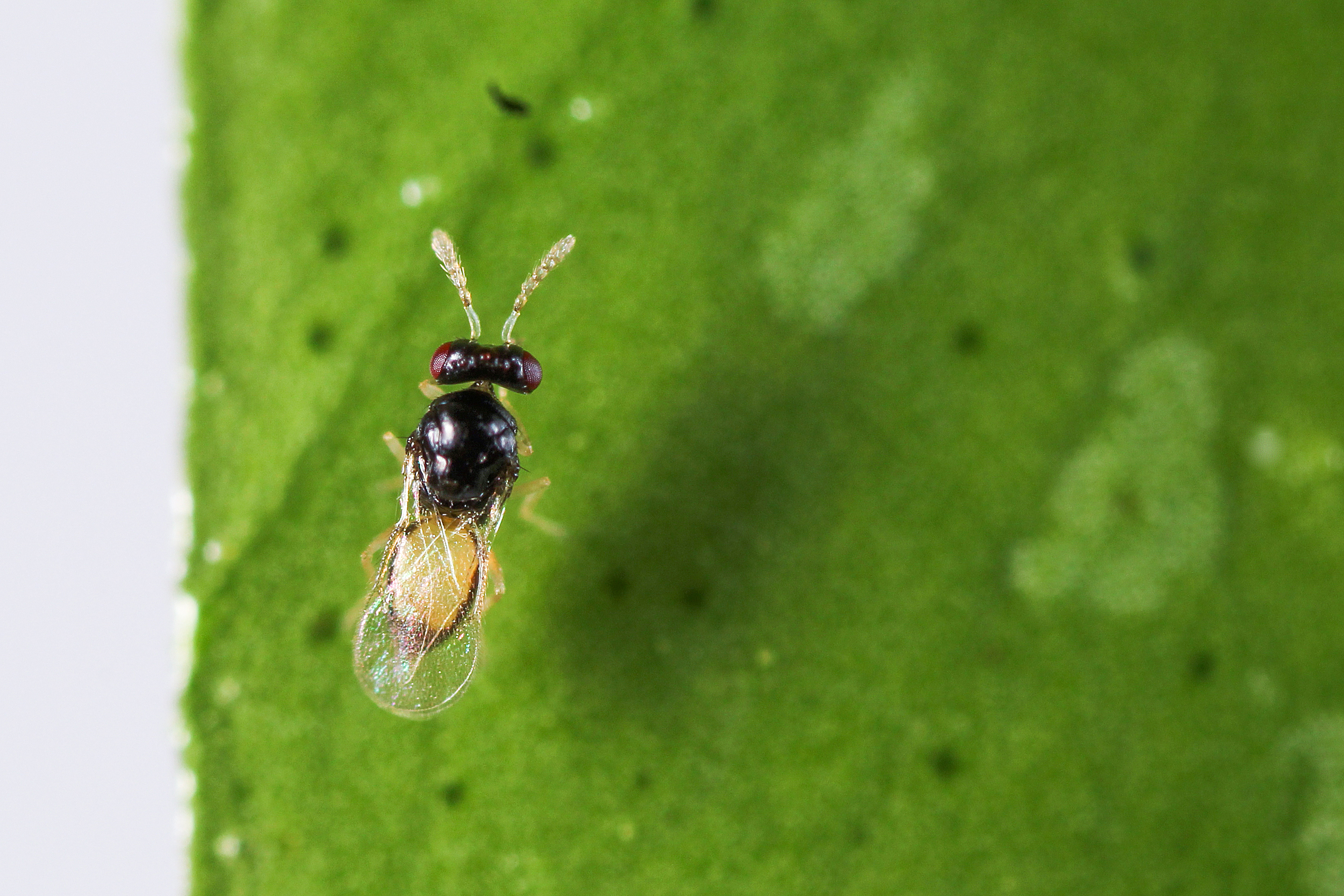
Tamarixia radiata are tiny, stingless parasitic wasps that are a natural predator to the Asian citrus psyllid, a deadly pest that can spread the incurable plant disease, Huanglongbing. Tamarixia radiata are harmless to humans or animals, but serve as a highly effective natural biological control tool used by the California Department of Food and Agriculture.
SACRAMENTO, Calif.--(BUSINESS WIRE)--In recognition of Invasive Plant Pest and Disease Awareness Month (IPPDAM) in April, the California Department of Food and Agriculture (CDFA) is spotlighting ongoing efforts to safeguard California’s vast agricultural and residential landscapes, including biocontrol efforts, where natural predators help reduce invasive pest populations.
CDFA’s Citrus Pest and Disease Prevention Division (CPDPD) utilizes a range of integrated pest management strategies to combat invasive pest and disease threats. An innovative example of that effort centers on the use of Tamarixia radiata, a beneficial parasitic wasp that offers a science-driven, natural biological control solution to suppress populations of the Asian citrus psyllid (ACP), the invasive pest responsible for spreading Huanglongbing (HLB), a deadly citrus plant disease. Tamarixia are tiny, stingless wasps that feed on ACP nymphs, preventing the pest from maturing and reproducing. Harmless to humans and pets, Tamarixia serve as a highly effective biological control tool designed to reduce ACP populations and slow the spread of HLB, which has no cure.
Since first establishing its biocontrol program in 2012 through collaboration with the University of California (UC), Riverside, CPDPD has released more than 34 million Tamarixia across California. Originally focused on residential citrus trees in Southern California where ACP first became established, the program has since expanded significantly and is now an essential part of how CPDPD approaches its pest management strategy statewide. Today, CPDPD’s Biocontrol Program leads all Tamarixia rearing, domestic and international releases, and collaborates with partners including UC Riverside; California Polytechnic State University, Pomona; the United States Department of Agriculture; and Canine Detection Services.
ACP aren’t the only invasive pests being controlled through CDFA’s biocontrol activities. From sterile insect releases to combat fruit fly infestations to the use of natural enemies in other programs like the Pierce’s Disease Control Program, these innovations have been shown to be a powerful tool. However, it is only one part of a much larger strategy. While biocontrol programs can naturally suppress invasive pest populations throughout California, community and industry support remains critical.
During IPPDAM, CDFA is encouraging residents to stay informed, report suspicious symptoms, and follow simple prevention practices to protect their backyard citrus trees. ACP – only one-eighth inch long – feeds on citrus leaves and stems and can spread HLB as it moves from tree to tree. Once infected, a citrus tree will die. HLB infected citrus trees have been detected in Los Angeles, Orange, San Bernardino, San Diego, Riverside, and Ventura Counties, and strict quarantine zones are in place across these regions to help slow the disease’s spread. Residents within quarantine areas should not move homegrown citrus plants, clippings, or fruit into or out of quarantine areas. Residents across the state, especially in quarantine regions, should stay vigilant and take proactive steps to protect their citrus trees:
- Control ants near citrus trees: Ants disrupt Tamarixia’s ability to parasitize ACP. Use safe ant control products around the base of citrus trees and throughout the yard to minimize ant populations. Refer to the University of California Agriculture and Natural Resources for recommendations on ant control options.
- Inspect backyard citrus frequently: Look for signs of ACP or HLB, including yellow shoots, mottled leaves, or misshapen fruit. Report any unusual symptoms to CDFA’s pest hotline at 1‑800‑491‑1899.
- Support agricultural crews: When agricultural officials conduct monitoring or treatment, resident cooperation helps accelerate early detection of ACP and HLB.
- Dispose of plant material safely: Dry or double‑bag citrus clippings before removing them from your property to prevent ACP from “hitchhiking” on debris.
For more information about the efforts of CPDPD’s Biocontrol Program, ACP or HLB, visit CaliforniaCitrusThreat.org.
About the Citrus Pest and Disease Prevention Program
The Citrus Pest and Disease Prevention Program was established in 2009 to advise the Secretary of the California Department of Food and Agriculture and agricultural industry about efforts to combat serious citrus pests and diseases – like the Asian citrus psyllid and Huanglongbing – that threaten California’s citrus trees. To learn more, visit CaliforniaCitrusThreat.org.
Contacts
Media Contact:
Natalie DeAngelo Neal
609-947-2727
nd@nstpr.com