Feinstein Institutes research finds early brain warning signs in severe liver damage
Feinstein Institutes research finds early brain warning signs in severe liver damage
Novel non-invasive brain scan technology published in Theranostics identifies neuroinflammation and other issues, allowing for faster diagnosis and treatment of liver-related brain fog
MANHASSET, N.Y.--(BUSINESS WIRE)--Acute liver injury (ALI), often triggered by conditions such as acetaminophen overdose, can rapidly progress to life-threatening and lethal acute liver failure (ALF). The brain is also profoundly affected by these conditions. To help identify warning signs before severe damage, including brain fog, scientists at Northwell Health’s Feinstein Institutes for Medical Research have found non-invasive ways to detect critical brain changes in ALI/ALF, offering a more precise, timely diagnostic approach.
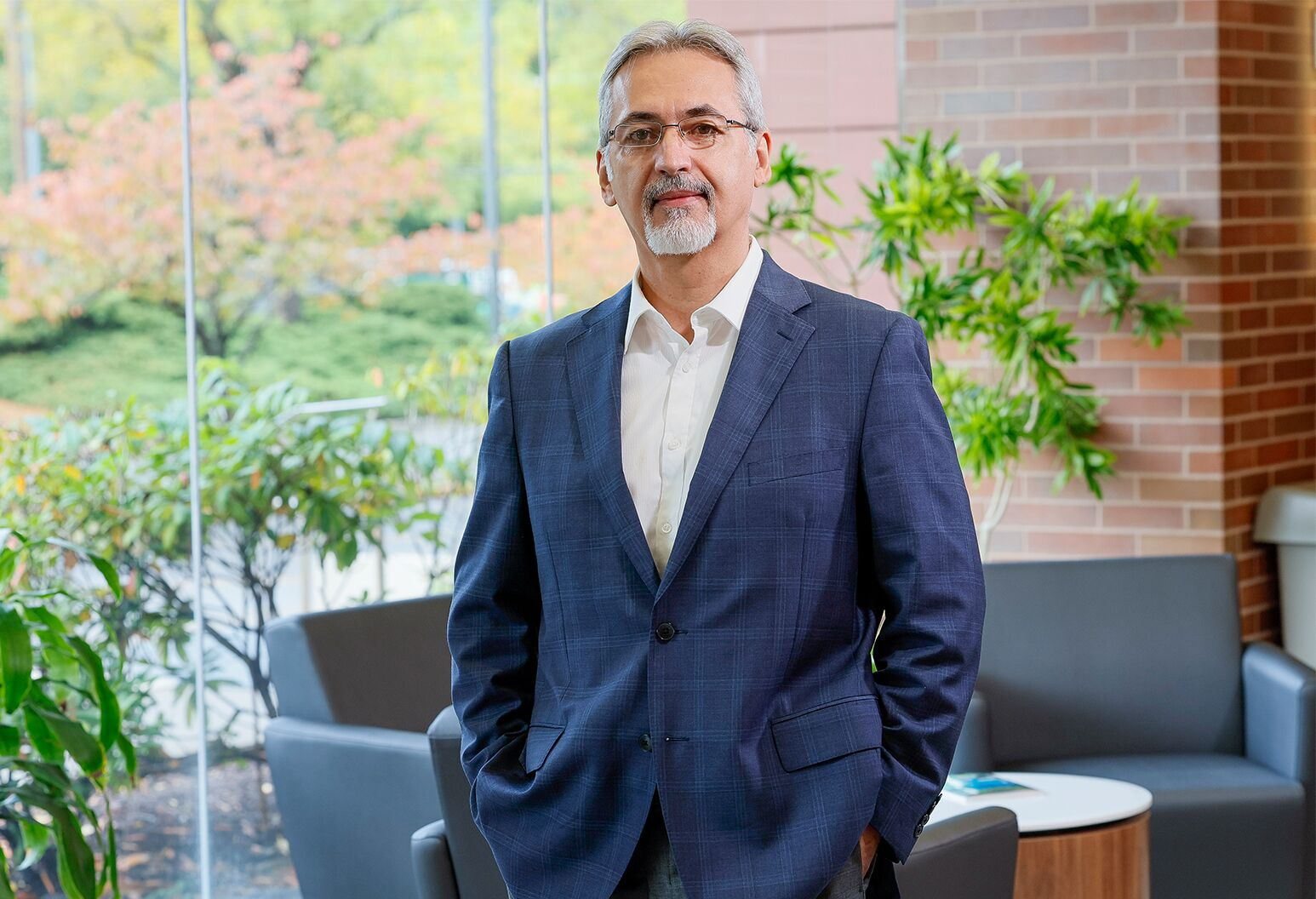
The study, first-authored by Santhoshi Palandira, MD, PhD, and led by Valentin A. Pavlov, PhD, professor in the Institute of Bioelectronic Medicine at the Feinstein Institutes, was published in Theranostics. They used non-invasive brain scans with a dual radiotracer microPET in a mouse model of acetaminophen-induced ALI that progresses to ALF. This method measured changes in brain energy metabolism, early neuroinflammation and functional alterations in brain neuronal connectivity. Identification of these hallmark brain signatures of acute liver injury offers potential hope for earlier diagnosis and applying more targeted treatments for hepatic encephalopathy, a difficult-to-diagnose complication that causes severe brain dysfunction associated with ALF.
“Our research introduces a groundbreaking noninvasive platform for detecting characteristic ‘neuroinflammetabolic’ signatures in the brain during the critical early stages of acute liver injury,” said Dr. Pavlov. “This advancement is a vital step toward developing a timely diagnosis of hepatic encephalopathy, enabling precision medicine approaches that guide targeted therapies and assess their effectiveness.”
Key findings include:
- Early detection: Significant brain region-specific neuroinflammation and altered brain energy metabolism were detected as early as 24-48 hours after ALI onset.
- “Neuroinflammetabolic” hotspots: Overlapping increases in both neuroinflammation and altered metabolism were identified in critical brain regions, including the thalamus, hippocampus, hypothalamus and cerebellum.
- Altered brain connectivity: The study revealed distinct patterns of both gains and losses in brain metabolic connectivity, indicating a profound impact of ALI on overall brain network function.
- Broader applicability: This novel approach holds promise for brain assessment in other disorders characterized by peripheral immune and metabolic dysregulation, such as sepsis-associated encephalopathy.
Dr. Pavlov collaborated with David Eidelberg, MD, professor in the Institute of Molecular Medicine, An Vo, PhD, associate professor in the Institute of Molecular Medicine, Yilong Ma, PhD, professor in the Institute of Molecular Medicine, Joseph Carrion, PhD, director of the microPET lab, and several other scientists.
“Dr. Pavlov’s advancement underscores our mission to produce knowledge to cure disease,” said Kevin J. Tracey, MD, president and CEO of the Feinstein Institutes and Karches Family Distinguished Chair in Medical Research. “By studying the brain’s complex response to acute liver injury, this research paves new paths for understanding and treating these brain-body interactions.”
About the Feinstein Institutes
The Feinstein Institutes for Medical Research is the home of the research institutes of Northwell Health, the largest health care provider and private employer in New York State. Encompassing 50+ research labs, 3,000 clinical research studies and 5,000 researchers and staff, the Feinstein Institutes raises the standard of medical innovation through its six institutes of behavioral science, bioelectronic medicine, cancer, health system science, molecular medicine, and translational research. We are the global scientific leader in bioelectronic medicine – an innovative field of science that has the potential to revolutionize medicine. The Feinstein Institutes publishes two open-access, international peer-reviewed journals Molecular Medicine and Bioelectronic Medicine. Through the Elmezzi Graduate School of Molecular Medicine, we offer an accelerated PhD program. For more information about how we produce knowledge to cure disease, visit http://feinstein.northwell.edu and follow us on LinkedIn.
Contacts
Julianne Mosher Allen
516-880-4824
jmosherallen@northwell.edu