New Gene-Expression Patterns Linked to Schizophrenia, Bipolar Disorder and Major Depressive Disorder, New Study Shows
New Gene-Expression Patterns Linked to Schizophrenia, Bipolar Disorder and Major Depressive Disorder, New Study Shows
MANHASSET, N.Y.--(BUSINESS WIRE)--Psychiatric disorders like schizophrenia, bipolar disorder and depression have a strong genetic signature. Through advanced transcriptome-wide association studies (TWAS), researchers can identify unique gene expression profiles to identify new drug targets to treat these disorders. Today, results from a study published by researchers at The Feinstein Institutes for Medical Research and King’s College London in Nature Communications reveal new gene expression patterns linked to common mental health disorders, providing a roadmap for future therapeutic research.
Human endogenous retroviruses (HERVs) are non-coding sequences that make up about eight percent of the human genome. They originated from ancient retrovirus infections that infected our lineage hundreds of thousands to millions of years ago and are thought to regulate nearby genes and have other biological functions. HERVs have been linked to psychiatric conditions, but their exact role has been unclear.
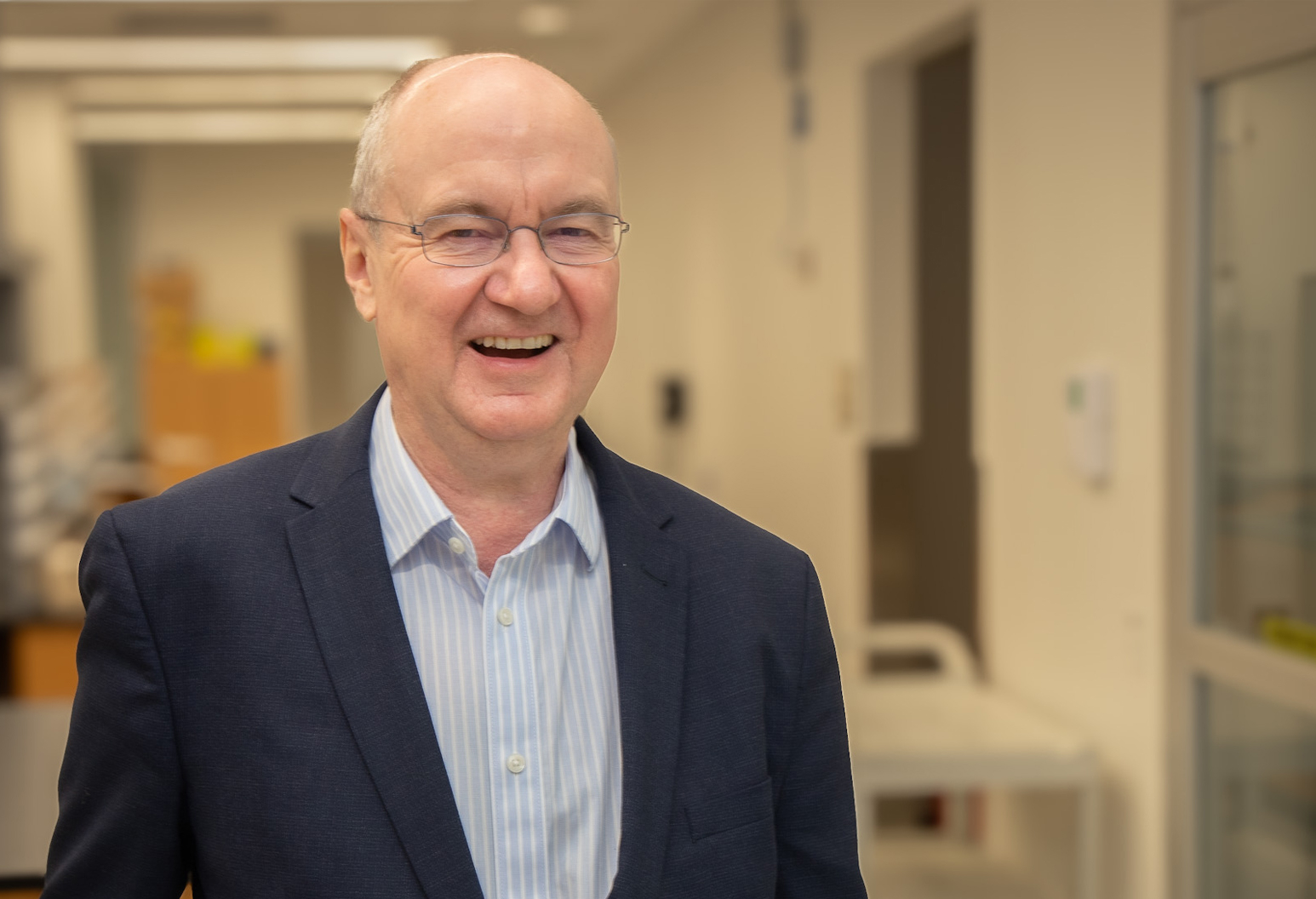
“Our study suggests that some HERVs play a role in predisposing to psychiatric disorders,” said Douglas F. Nixon, MD, PhD, researcher at the Feinstein Institutes for Medical Research and co-senior author of the paper. “This and future studies, including further translational research and clinical studies, could lead to potential new ways for treating psychiatric disorders.”
The research, partly-funded by the United Kingdom National Institute for Health and Care Research (NIHR) and the United States National Institutes of Health (NIH), focused on neurological HERV expression and found unique patterns associated with genetic risk for major psychiatric disorders. The team also found co-expression networks connecting well-established genes with HERVs, helping to understand their functions better. It’s still unclear how HERVs are involved in psychiatric disorders. Previous research suggests that differences in HERV expression in psychiatric cases could be due to immune responses against current or past infections, that can trigger inflammation. However, this new study found that some HERV expression signatures are genetically regulated, meaning that they may directly contribute to the cause of these disorders rather than being a response to infections or environmental factors.
“Dr. Nixon’s groundbreaking research opens a new vista in finding new treatments for disease,” said Kevin J. Tracey, MD, president and CEO of the Feinstein Institutes and Karches Family Distinguished Chair in Medical Research. “By probing the so-called ‘dark genome,’ Dr. Nixon is shining a new light on the mystery and giving a source of hope for patients with psychiatric disorders who lack sufficient effective therapies.”
Research reported in this press release was supported by the NIH under award number R21HG011513. The content is solely the responsibility of the authors and does not necessarily represent the official views of the National Institutes of Health.
About the Feinstein Institutes
The Feinstein Institutes for Medical Research is the home of the research institutes of Northwell Health, the largest health care provider and private employer in New York State. Encompassing 50 research labs, 3,000 clinical research studies and 5,000 researchers and staff, the Feinstein Institutes raises the standard of medical innovation through its five institutes of behavioral science, bioelectronic medicine, cancer, health system science, and molecular medicine. We make breakthroughs in genetics, oncology, brain research, mental health, autoimmunity, and are the global scientific leader in bioelectronic medicine – a new field of science that has the potential to revolutionize medicine. For more information about how we produce knowledge to cure disease, visit http://feinstein.northwell.edu and follow us on LinkedIn.
Contacts
Matthew Libassi
631-793-5325
mlibassi@northwell.edu