EM-Power Europe: Flexible Consumers Take the Burden Off the Grid
EM-Power Europe: Flexible Consumers Take the Burden Off the Grid
MUNICH & PFORZHEIM, Germany--(BUSINESS WIRE)--Climate-neutral power generation from solar and wind will place several new challenges on the energy system. Key is that a significantly higher degree of flexibility will be required compared to today to keep supply and consumption in balance. Flexible consumers can make a significant contribution to this. How this can be achieved will be an important topic at EM-Power Europe, the international trade fair for energy management and integrated energy solutions.
"According to EU calculations, the demand for flexibility will increase by 133 percent between now and 2030," explains Michael Villa, Managing Director of the European industry association smartEn. In a recent study, Agora Energiewende came to the conclusion that by 2035, electric cars, heat pumps and home storage systems will be able to shift around ten percent of the annual electricity demand required in Germany. That would accumulate to around 100 terawatt hours. This flexibility on the consumer side will save the economy around 4.8 billion euros. But how can consumers make contributions to the energy transition?
Making ideal use of your own electricity
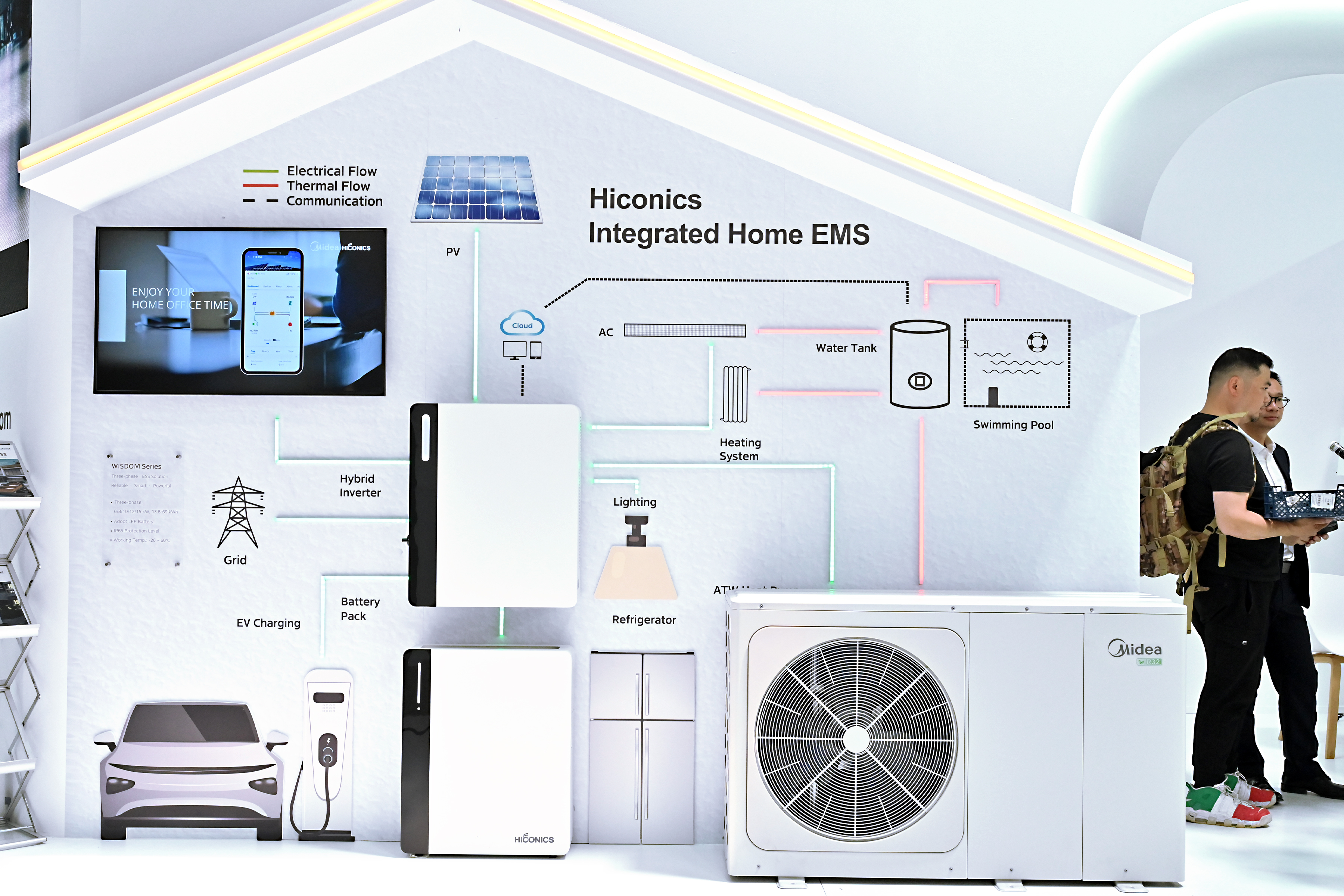
An initial consumer contribution to flexibilization has been a proven state of the art for years: prosumers with their own photovoltaic system linked to a stationary battery storage system, their own heat pump and charge their electric car with the electricity they generate themselves. This way, they not only minimize their own electricity consumption from the grid - they also reduce the load on the respective distribution grid by maximizing their own consumption.
Supply and demand
When there is a lot of electricity available from the sun and wind, prices on the European trading platform EEX fall. From 2025, all electricity suppliers in Germany will be obliged to offer their customers dynamic tariffs. They will then be able to optimize their consumption in terms of price. However, if many households consume a lot of electricity at the same time, the distribution grids will be under considerable strain. Making grid charges more flexible could counteract this effect: from 2025, grid charges in Germany will be higher at times of high grid utilization and lower at times of low utilization.
Suppliers intervene
Suppliers will also contribute to flexibility to a greater extent: if grid capacity threatens to become scarce, they can reduce their customers' consumption. This is an example that has been successfully practiced: If a bottleneck becomes apparent, suppliers can temporarily switch off connected heat pumps themselves. However, customers do not suffer any loss of comfort as a result, as thermal storage units keep their homes warm. In return, they receive the electricity for their heat pump at a particularly favorable price.
New: throttling instead of switching off
A novelty to the Energy Industry Act (EnWG) allows grid operators to throttle some wallboxes and heat pumps if there is a risk of grid overload. In return, grid operators may no longer refuse to connect such consumers on the grounds of possible grid overload.
EM-Power Europe
EM-Power Europe is the international trade fair for energy management and integrated energy solutions. Under the motto "Empowering Grids and Prosumers", it brings together stakeholders and focuses on current trends and developments. EM-Power Europe will take place from June 19 to 21, 2024 at Messe München.
Further information: www.em-power.eu
Contacts
Press contact:
ressourcenmangel an der Panke GmbH
Roberto Freiberger | Tel.: +49 163 8430 943
roberto.freiberger@ressourcenmangel.de
Solar Promotion GmbH
Peggy Zilay | Tel.: +49 7231 58598-240
zilay@solarpromotion.com