Feinstein Institutes study challenges the use of thick liquid diets in hospitalized patients with dementia and dysphagia
Feinstein Institutes study challenges the use of thick liquid diets in hospitalized patients with dementia and dysphagia
Published in the Journal of the American Medical Association (JAMA) Internal Medicine, research finds no mortality difference between thick or thin liquid diets
MANHASSET, N.Y.--(BUSINESS WIRE)--Up to 86 percent of hospitalized patients with Alzheimer’s disease and related dementias (ADRD) have oropharyngeal dysphagia (dysphagia), a type of swallowing dysfunction that can lead to aspiration, pneumonia, malnutrition, intubation, and even death. Although dysphagia diets, consisting of thick liquids, are widely used, it is unknown whether thick liquids improve patient outcomes. To study the effect of thick versus thin liquids – which are assumed to be easier to consume – researchers at The Feinstein Institutes for Medical Research published a large, retrospective study looking at the health outcomes of over 8,000 patients in the Journal of the American Medical Association (JAMA) Internal Medicine.
The study, conducted across 11 diverse hospitals in New York between January 1, 2017 and September 20, 2022 aimed to determine whether thick liquids, compared to thin liquids, are associated with improved health outcomes in patients with ADRD and dysphagia. Contrary to expectations, the study found no significant difference in hospital mortality between patients receiving thick and thin liquids. This primary outcome raises important questions about the benefits of thick liquids for dysphagia management in hospitalized patients with ADRD.
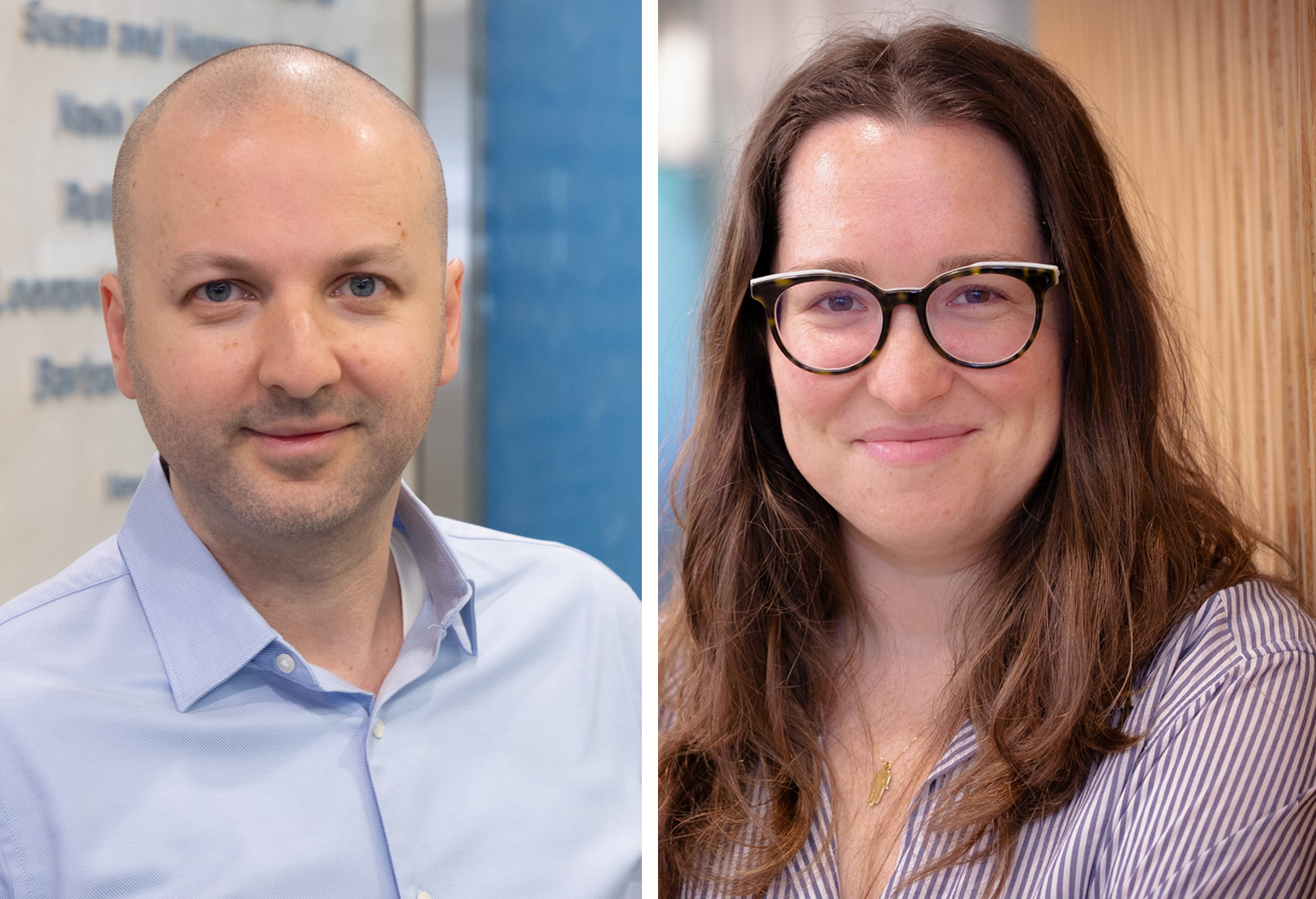
“When hospitalized patients with Alzheimer’s disease and related dementias are found to have dysphagia, our go-to solution is to use a thick liquid diet; however, there is no concrete evidence that thick liquids improve health outcomes, and we also know that thick liquids can lead to decreased palatability, poor oral intake, dehydration, malnutrition, and worse quality of life,” said Liron Sinvani, MD associate professor in the Institute of Health System Science at the Feinstein Institutes and Donald and Barbara Zucker School of Medicine at Hofstra/Northwell, director of the geriatric hospitalist service at Northwell Health and senior author on the paper.
Additionally, the study showed that while patients receiving thick liquids were more likely to experience respiratory complications such as pneumonia, they were less likely to be intubated. “Given the high prevalence of dysphagia in hospitalized patients with ADRD, along with the widespread use of thick liquids and potential quality of life implications, our findings underscore the urgent need for additional prospective studies to evaluate the complex effect of thick liquids on health outcomes in this vulnerable population,” said Alex Makhnevich, MD, assistant professor in the Institute of Health System Science at the Feinstein Institutes, and lead author on the paper.
“Drs. Sinvani and Makhnevich’s study advances understanding of managing dysphagia in patients with ADRD,” said Kevin J. Tracey, MD, president and CEO of the Feinstein Institutes and Karches Family Distinguished Chair in Medical Research. “These results will prompt ongoing research to guide clinical decisions that improve patient outcomes.”
Although thick liquids are recognized for their ability to prevent aspiration in specific patients with dysphagia, the study’s results emphasize the necessity for further prospective studies. These studies should integrate instrumental assessments such as Modified Barium Swallow Studies (MBSS) to assess the influence of thick liquids on clinical outcomes in hospitalized patients with ADRD and dysphagia.
About the Feinstein Institutes
The Feinstein Institutes for Medical Research is the home of the research institutes of Northwell Health, the largest health care provider and private employer in New York State. Encompassing 50 research labs, 3,000 clinical research studies and 5,000 researchers and staff, the Feinstein Institutes raises the standard of medical innovation through its five institutes of behavioral science, bioelectronic medicine, cancer, health system science, and molecular medicine. We make breakthroughs in genetics, oncology, brain research, mental health, autoimmunity, and are the global scientific leader in bioelectronic medicine – a new field of science that has the potential to revolutionize medicine. For more information about how we produce knowledge to cure disease, visit http://feinstein.northwell.edu and follow us on LinkedIn.
Contacts
Matthew Libassi
631-793-5325
mlibassi@northwell.edu