Access to Prescribed PCSK9 Inhibitors Remains a Significant Barrier Leaving Patients at Risk for Heart Attacks and Strokes
Access to Prescribed PCSK9 Inhibitors Remains a Significant Barrier Leaving Patients at Risk for Heart Attacks and Strokes
Family Heart Foundation Research Shows Insurance Coverage is an Obstacle to Utilization
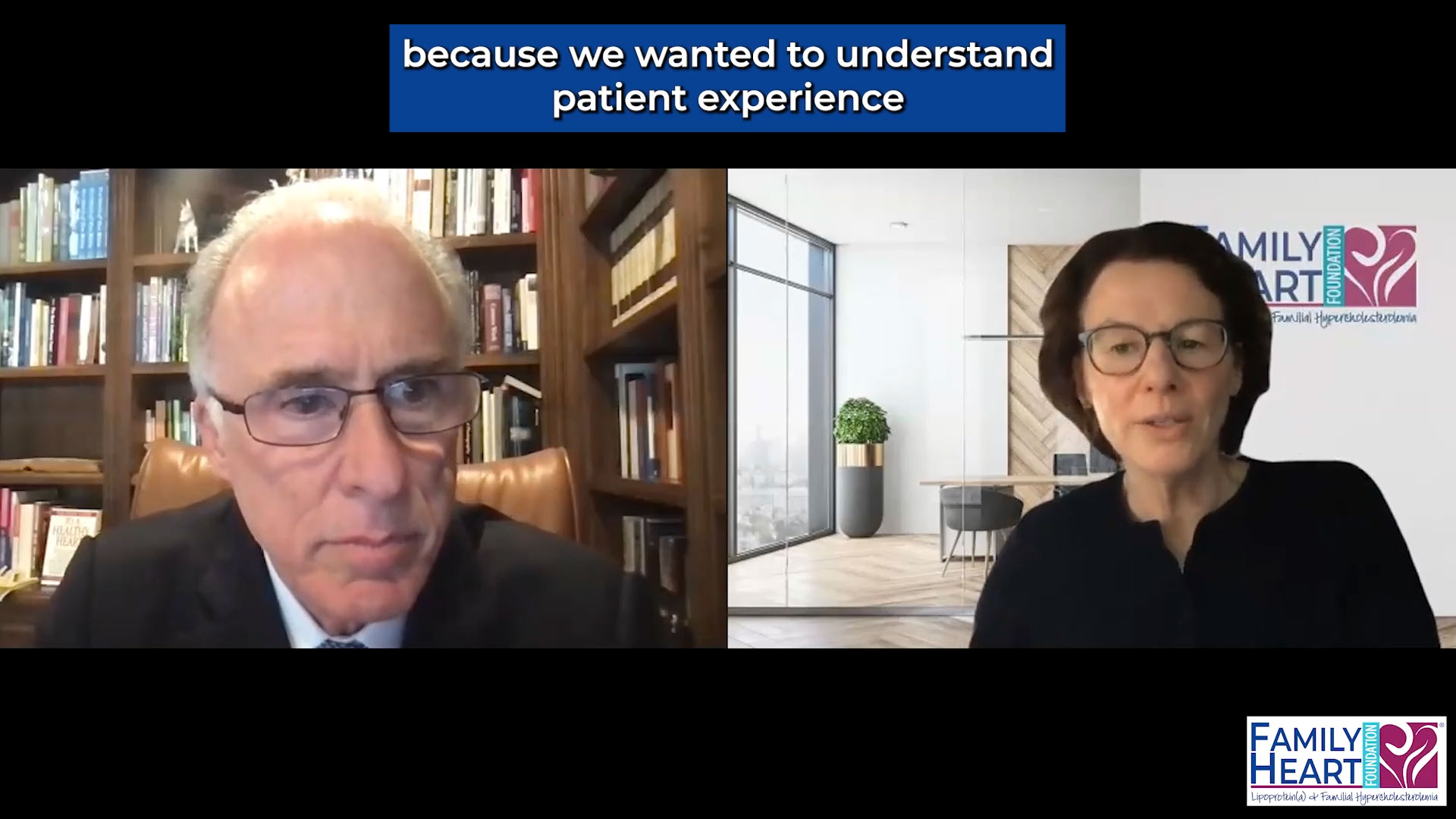
FERNANDINA BEACH, Fla.--(BUSINESS WIRE)--A new study published in Circulation: Cardiovascular Quality and Outcomes from the Family Heart Foundation — a patient-centered research and advocacy nonprofit organization dedicated to improving the lives of families impacted by inherited lipid disorders and LDL-cholesterol — revealed that utilization of proprotein convertase subtilisin/kexin type 9 inhibitors (PCSK9i) to reduce low-density lipoprotein cholesterol (LDL-C) remains low among high-risk patients. Despite key developments between 2017 and early 2019 that were expected to increase appropriate utilization, rejection of prescribed PCSK9i by insurance plans remains uncharacteristically high compared to other similar therapies for cardiovascular and metabolic disease. Since 2019, PCSK9i have had a label expansion; positive results from major outcomes trials and large studies showing the use of PCSK9 inhibitors reducing cardiac events; a 60% price reduction on PCSK9i and established clinical practice guidelines all of which were supposed to improve utilization, yet access is still a barrier leaving patients at risk for heart attacks and strokes.
New Family Heart Foundation study published in "Circulation: Cardiovascular Quality and Outcomes" shows insurance coverage is still a significant barrier to utilization of PCSK9 inhibitors, leaving patients at risk for heart attacks and strokes.
Share
The burden of cardiovascular disease, driven largely by atherosclerosis, is increasing in the United States. High LDL-C is a major modifiable risk factor. A 2019 study by the Family Heart Foundation (formerly known as the FH Foundation) published in Circulation: Cardiovascular Quality and Outcomes found that compared to individuals who were able to obtain their prescribed PCSK9i, those whose prescription was rejected by insurance plans or abandoned experienced significantly more heart attacks, strokes, and other cardiovascular events within 12 months.
“The results from this new Family Heart Foundation study suggest that patients still experience substantial challenges getting the PCSK9i that have been prescribed for them by their medical team, despite guidelines recommending their use and extensive evidence documenting their role in LDL-C reduction and the prevention of heart attack or stroke," said Diane E. MacDougall, Vice President of Science and Research at the Family Heart Foundation and co-author of the study. “As a result, eligible patients remain at higher risk of heart attacks and other major cardiovascular events as demonstrated by the 2019 study.”
Key findings from the current study showed continued barriers for PCSK9i use:
- Despite improving since 2018, 30.95% of PCSK9i prescriptions are rejected by insurance plans. This is significantly higher compared to other guideline-recommended cardiometabolic therapies with demonstrated cardiovascular benefit (rejection rates range from 3.53% to 14.61%).
- Despite developments that were expected to increase PCSK9i utilization, new PCSK9i prescriptions remained low, at 470,018 during the 2019-2021 timeframe compared with 238,704 during the 2015-2018 timeframe.
- Taking into account both rejections by insurance plans and abandonments, paid prescription rate for PCSK9i coverage was substantially lower (49.93%) than those for other guideline-recommended cardiometabolic therapies (ranging from 68.49% to 84.45%).
While statins are the first line of treatment, they may not lower LDL-C enough for high-risk patients. The 2018 ACC/AHA Multi-society Guidelines on the Management of Blood Cholesterol recommended the use of PCSK9i for appropriate patients. PCSK9i were approved by the U.S. Food & Drug Administration in 2015 as a major advancement to lower elevated LDL-C in patients with ASCVD and familial hypercholesterolemia. After 2017, the label for PCSK9i was expanded to include reduction of cardiovascular events in ASCVD patients and reduction of elevated LDL-C in patients with primary hypercholesterolemia, based on positive data from the FOURIER and ODYSSEY Outcomes trials. In addition, PCSK9i have been similarly priced to other guideline-indicated cardiometabolic drugs since 2018.
About the Study
Titled, “Trends in Patient Access to, and Utilization of, Prescribed PCSK9 Inhibitors in a Large U.S. Claims Database from 2015 to 2021,” the retrospective study was based on anonymized data from the Family Heart Database™ comprised of U.S. healthcare claims data representing more than half of the U.S. census. It analyzed a cohort of adults prescribed a PCSK9i (evolocumab or alirocumab) and other branded guideline-recommended, cardiometabolic medications comparing 2015-2018 and 2019-2021. Patients’ coverage for new prescriptions of PCSK9i and cardiometabolic medications was classified as: paid (covered by insurer, retrieved by individual); rejected (rejected by insurer); or abandoned (covered by insurer, not retrieved).
About the Family Heart Foundation
The Family Heart Foundation is a nonprofit patient-centered research and advocacy organization dedicated to improving the lives of families impacted by inherited lipid disorders. The Foundation is a pioneer in the application of real-world evidence, patient-driven advocacy, and multi-stakeholder education to help prevent heart attacks and strokes caused by familial hypercholesterolemia (FH) and elevated Lipoprotein(a), or Lp(a), two common genetic disorders that have an impact across generations. The Family Heart Foundation conducts innovative research to break down barriers to diagnosis and management of inherited lipid disorders; educates patients, providers, and policy makers; advocates for change; and provides hope and support for families impacted by heart disease and stroke caused by FH, HoFH, and high Lp(a). The organization was founded in 2011 as the FH Foundation. For more information, visit FamilyHeart.org and follow us on Twitter, Facebook, Instagram and LinkedIn.
Contacts
Juliet Babros
310-375-7870
juliet@merrymancommunications.com