Feinstein Institutes’ Betty Diamond Elected to the National Academy of Sciences
Feinstein Institutes’ Betty Diamond Elected to the National Academy of Sciences
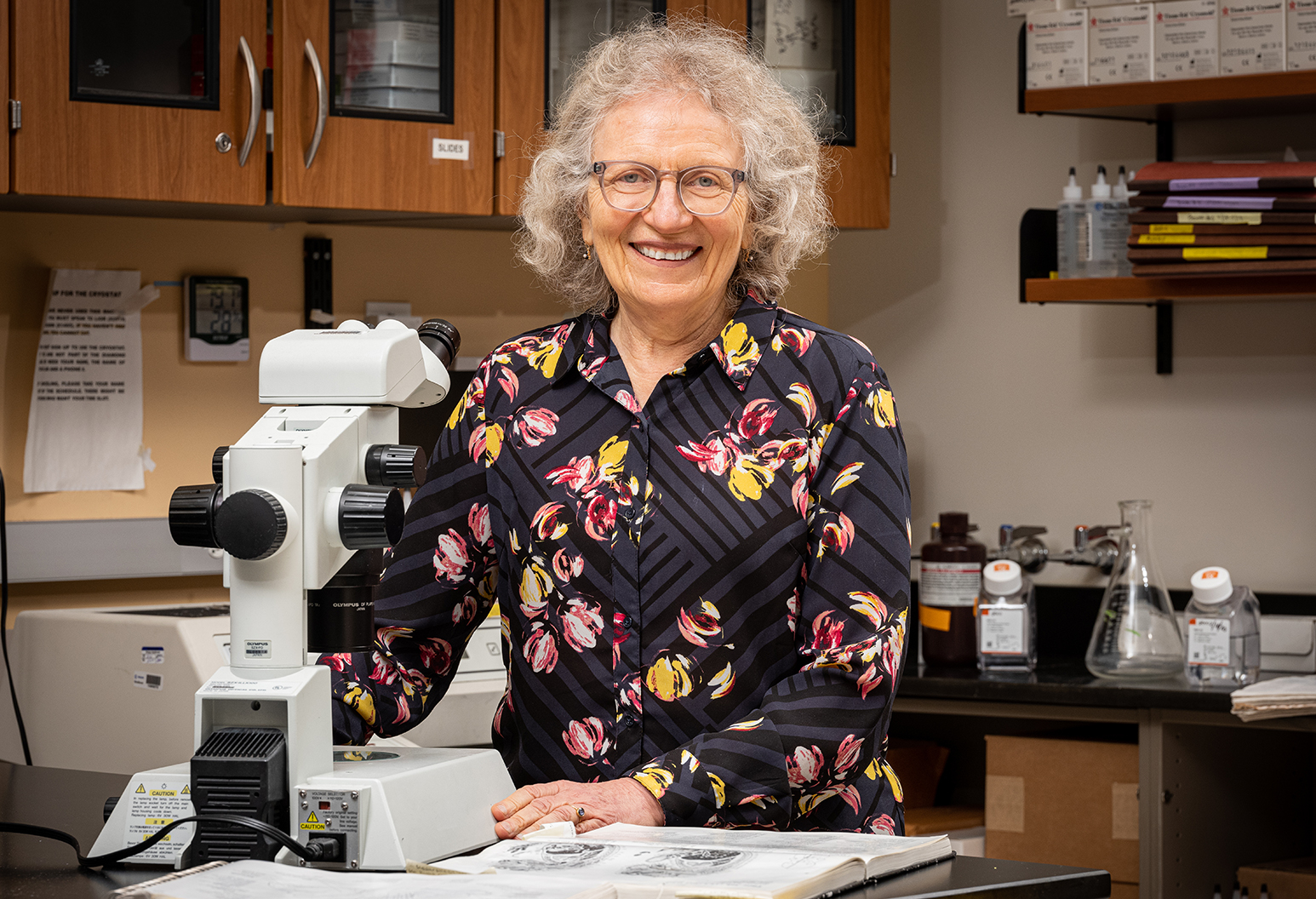
MANHASSET, N.Y.--(BUSINESS WIRE)--The National Academy of Sciences (NAS) has elected The Feinstein Institutes for Medical Research’s Betty Diamond, MD, in recognition of her breakthrough achievements in molecular medicine and original research. The announcement, made on May 3, included the election of 120 members and 30 additional international members.
The NAS dates back to 1863 when President Abraham Lincoln signed a congressional charter forming the private, nonprofit institution, which recognizes achievement in science by election to membership and provides science, engineering and health policy advice to the federal government and other organizations.
Dr. Diamond, director of the Institute of Molecular Medicine at the Feinstein Institutes, is a pioneer in the basic science research of autoimmune diseases, particularly systemic lupus erythematosus. For more than four decades, Dr. Diamond has dedicated her career to the study of DNA-reactive B cells, autoantibodies and their origin and effect on the body. She has focused on the impact these antibodies have on the brain and how they may contribute to changes in cognition or behavior in patients with lupus.
“It is an honor to be elected to the National Academy of Sciences. It is a time to acknowledge the many trainees and collaborators whose work led to this honor,” said Dr. Diamond, head of the Center for Autoimmune, Musculoskeletal and Hematopoietic Diseases at The Feinstein Institutes. “Together, we will continue to produce knowledge to cure disease.”
The NAS is committed to furthering science in America and its members are active contributors to the global scientific community. Approximately 500 members of the NAS have won Nobel Prizes and the Proceedings of the National Academy of Sciences, founded in 1914, is one of the top international peer-reviewed research journals. Those elected to the NAS bring the total number of active members to 2,512 and the total number of international members to 517.
“The election of Dr. Diamond to the prestigious National Academy of Sciences recognizes the importance of her contributions to immunology and molecular medicine,” said Kevin J. Tracey, MD, president and CEO of the Feinstein Institutes. “It reflects the caliber of outstanding science at the Feinstein Institutes and the importance of advancing the Academy’s mission to advise the nation on matters related to science and technology.”
Dr. Diamond graduated with a BA from Harvard University and an MD from Harvard Medical School. She has headed the rheumatology divisions at Albert Einstein School of Medicine and at Columbia University Medical Center. She is the director of the PhD and MD/PhD programs of the Donald and Barbara Zucker School of Medicine at Hofstra/Northwell.
As a former president of the American Association of Immunology, Dr. Diamond has also served on the Board of Directors of the American College of Rheumatology and the Scientific Council of the National Institute of Arthritis and Musculoskeletal and Skin Diseases (NIAMS). Dr. Diamond is a fellow of the American Association for the Advancement of Science (AAAS) and a member of the National Academy of Medicine.
In 2010, Dr. Diamond helped form the Advancing Women in Science and Medicine (AWSM – pronounced “awesome”) group at the Feinstein Institutes to help advance women scientists' career development and career opportunities. To date, through philanthropic support, AWSM has raised more than $3 million has been raised to support women investigators.
About the Feinstein Institutes
The Feinstein Institutes for Medical Research is the home of the research institutes of Northwell Health, the largest health care provider and private employer in New York State. Encompassing 50 research labs, 3,000 clinical research studies and 5,000 researchers and staff, the Feinstein Institutes raises the standard of medical innovation through its five institutes of behavioral science, bioelectronic medicine, cancer, health system science, and molecular medicine. We make breakthroughs in genetics, oncology, brain research, mental health, autoimmunity, and are the global scientific leader in bioelectronic medicine – a new field of science that has the potential to revolutionize medicine. For more information about how we produce knowledge to cure disease, visit http://feinstein.northwell.edu and follow us on LinkedIn.
Contacts
Matthew Libassi
631-793-5325
mlibassi@northwell.edu