New ISACA Guide Outlines Key Components of Digital Trust Implementation
New ISACA Guide Outlines Key Components of Digital Trust Implementation
ISACA’s new digital trust strategy includes an upcoming framework
SCHAUMBURG, Ill.--(BUSINESS WIRE)--While we may not always realize it, most of our interactions as consumers create a digital footprint—whether we are paying a friend through a mobile app or registering online for a doctor’s appointment. But can we always trust that our transactions and interactions in these digital ecosystems will be conducted with integrity? A new complimentary white paper from ISACA, Digital Trust: A Modern-Day Imperative, explores this increasingly important concept of digital trust, how it relates to both consumers and providers, and how it works in practice.
Digital Trust provides a detailed definition of digital trust—the confidence in the integrity of the relationships, interactions and transactions among suppliers/providers and customers/consumers within an associated digital ecosystem—and examines how imperative it is for enterprises to build and maintain this trust.
The paper, launched at the ISACA Conference North America today, is the first resource in ISACA’s new digital trust strategy.
“Think about a digital space with fewer attacks, more innovation and business growth, and enhanced confidence, with IT professionals leading the way,” said ISACA CEO David Samuelson. “Our global community of like-minded IT professionals works in pursuit of digital trust. More trust means more success. And as security, privacy, assurance and quality professionals, the ISACA community is a key enabler of that success.”
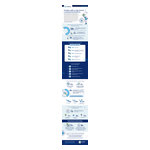
The Digital Trust paper outlines how consumers consider six key elements when assessing digital trust:
- Quality
- Availability
- Security and privacy
- Ethics and integrity
- Transparency and honesty
- Stability and resilience
Many enterprises already realize that valuing digital trust provides them with a competitive advantage, both with their reputation and bottom line. Digital Trust outlines some of the ways that providers can put digital trust in practice, including:
- Refraining from using dark patterns or techniques to trick or influence data subjects to make a specific choice
- Conducting regular audits to ensure that controls are in place and working as they should
- Providing employees with trustworthy technology to do their jobs, and not monitoring them without their knowledge or consent.
“It is absolutely critical for digital trust to be woven into the fabric of any enterprise—to avoid harmful security and privacy incidents, strengthen relationships with consumers, and advance reputation and the bottom line,” says Mark Thomas, president, Escoute Consulting. “Professionals who work in security, audit, governance, risk or privacy all play an essential role in driving digital trust forward, so it is vital that each understands their part in establishing, evaluating, adjusting and implementing digital trust practices within their organizations.”
To download a complimentary copy of the white paper, visit www.isaca.org/digital-trust. ISACA will release additional digital trust resources later this year, including a course, webinar, global research and digital trust framework.
Additional information on ISACA’s digital trust strategy is available in this ISACA Now blog post from ISACA CEO David Samuelson here.
About ISACA
For more than 50 years, ISACA® (www.isaca.org) has equipped individuals with knowledge, credentials, education and community to progress their careers and transform their organizations, and enabled enterprises to train and build quality teams. A global professional association and learning organization, ISACA leverages the expertise of its more than 150,000 members who work in information security, governance, assurance, risk and privacy to drive innovation through technology. It has a presence in 188 countries, including more than 220 chapters worldwide. In 2020, ISACA launched One In Tech, a philanthropic foundation.
Contacts
Emily Van Camp, evcamp@isaca.org, +1.847.385.7223
Kristen Kessinger, communications@isaca.org, +1.847.660.5512