COVID-19 Vaccinations Remain Necessary for Successful Organ Transplants
COVID-19 Vaccinations Remain Necessary for Successful Organ Transplants
American Society of Transplant Surgeons’ COVID-19 Strike Force co-leads outline the need for vaccine requirements in JAMA Surgery
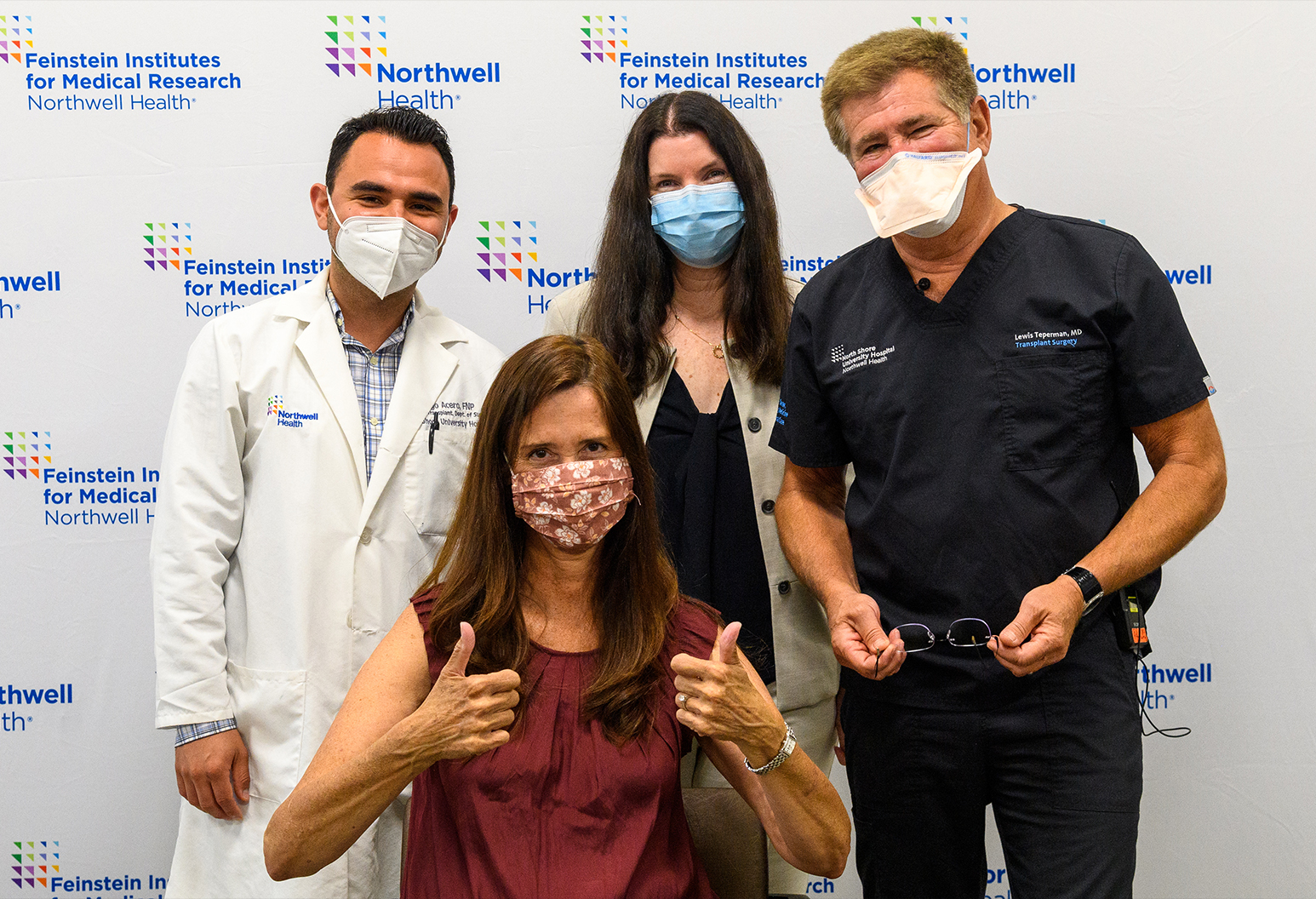
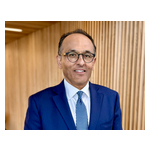
MANHASSET, N.Y.--(BUSINESS WIRE)--Organ transplant recipients are at higher risk and have more severe coronavirus disease 2019 (COVID-19) outcomes than the general public. To ensure safe, long-lasting organ transplants and quality of life, the need for COVID-19 vaccination is paramount, according to new recommendations. In an article published in JAMA Surgery, the co-leads of the American Society of Transplant Surgeons’ COVID-19 Strike Force, Northwell Health’s Lewis W. Teperman, MD, and University of Minnesota’s Timothy Pruett, MD, outline the risks, benefits and need for vaccine requirements of organ recipients, donors and families.
The COVID Strike Force’s ongoing recommendation is that all transplant candidates, recipients (and family members), live donors, transplant staff and physicians receive an approved vaccine. Some transplant centers, including Northwell Health, which is New York State’s largest health system, have made a policy that requires COVID-19 vaccination before a candidate’s registration on the national organ waitlist. And while the vaccine requirement debate continues to swirl among the public, there is a need for a transparent and clear understanding of the decision to make vaccinations a requirement.
“The act of an organ transplant is not just performing an operation; it is also extending a person’s quality and length of life. It is a gift,” said Dr. Teperman. “However, that gift can quickly be taken away from the organ recipient and those around them if they are not protecting themselves from the highly contagious and fatal COVID-19 virus.”
Transplant centers are the stewards of this “gift of life,” and it is their responsibility to assess who is at risk and the best candidate for surgery. Organ transplant recipients are forever on a medication regimen that weakens their immune system and puts them at risk for infections. It is firmly understood that vaccination of candidates before transplantation will diminish – but not ultimately prevent – the severity of COVID illness and that vaccination will reduce the risk to others. The decision to grant someone a transplant or not is difficult, but it is needed to avoid ineffective transplants and waste organs that could benefit other candidates.
Additionally, Drs. Teperman and Pruett outline the responsibility of health systems to ensure that staff is protected to lessen the burden of COVID-19 surges. With new variants and inconsistent public behavior and policy holding sway, any spike in COVID-19 cases can quickly overwhelm hospitals and frontline staff. By requiring COVID-19 vaccinations for organ transplants, health systems are freeing up beds needed to care for those seriously sick.
The latest pandemic resulted in thousands of organs that could have been used for transplants being discarded nationwide out of a fear of infecting the recipient. Dr. Teperman has been a leader in communicating and studying this at-risk population. In 2021, he initiated a clinical trial looking at the efficacy of a third Moderna vaccine dose for COVID-19 in people living with an organ transplant.
“Vaccinations continue to be our strongest tool in curbing hospitalization and death related to COVID-19,” said Kevin J. Tracey, MD, president and CEO of the Feinstein Institutes. “Dr. Teperman outlines a clear and consistent message for those in need of organ transplants and the need for vaccinations.”
About the Feinstein Institutes
The Feinstein Institutes for Medical Research is the home of the research institutes of Northwell Health, the largest health care provider and private employer in New York State. Encompassing 50 research labs, 3,000 clinical research studies and 5,000 researchers and staff, the Feinstein Institutes raises the standard of medical innovation through its five institutes of behavioral science, bioelectronic medicine, cancer, health system science, and molecular medicine. We make breakthroughs in genetics, oncology, brain research, mental health, autoimmunity, and are the global scientific leader in bioelectronic medicine – a new field of science that has the potential to revolutionize medicine. For more information about how we produce knowledge to cure disease, visit http://feinstein.northwell.edu and follow us on LinkedIn.
Contacts
Matthew Libassi
631-793-5325
mlibassi@northwell.edu