Japan Promoting Universal Tourism, Catering to Diverse Dietary Needs – Japan National Tourism Organization (JNTO)
Japan Promoting Universal Tourism, Catering to Diverse Dietary Needs – Japan National Tourism Organization (JNTO)
TOKYO--(BUSINESS WIRE)--Prior to the outbreak of the COVID-19 pandemic, the number of overseas visitors to Japan set a new annual record of 31.9 million in 2019, the eighth straight year of growth.
To help revive this positive trend as global travel resumes, JNTO is promoting the concept of “Universal Tourism”, part of a policy encouraging all tourists—regardless of race, nationality, ethnicity, religion, gender, age, or impairment—to visit Japan and enjoy a secure and comfortable stay.
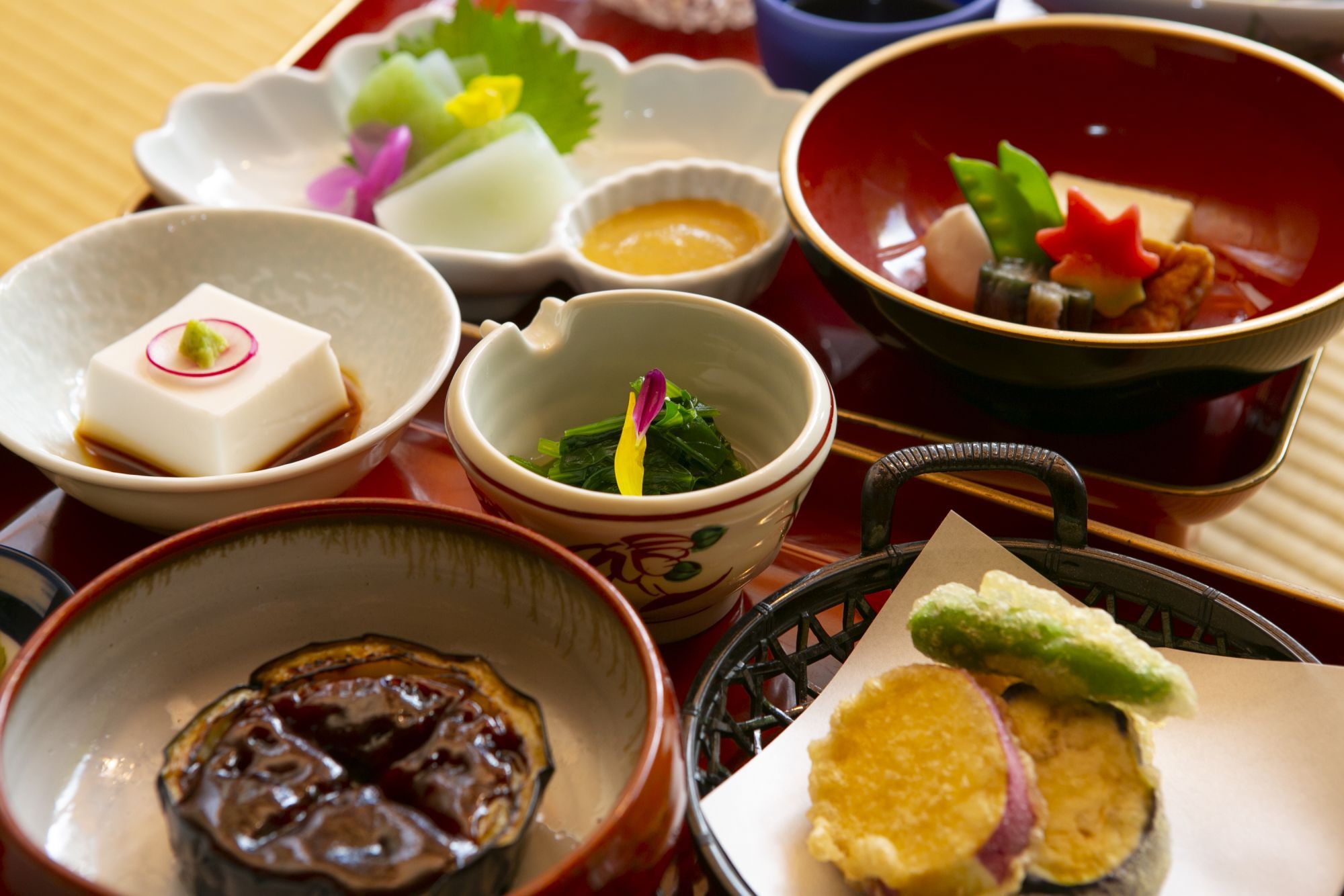
We would accordingly like to highlight how Japan’s hospitality sector is planning to welcome overseas visitors with diverse dietary requirements, including vegetarians and vegans, and those with food allergies.
A survey by the Japan Tourism Agency in 2019 showed that eating Japanese food was the activity most overseas visitors looked forward to when visiting the country for the first time, with almost 70% choosing it (with multiple answers permitted). The latest Michelin Guide shows that Tokyo has the highest number of Michelin-starred restaurants in the world – a true culinary paradise.
To help tourists enjoy safe and enjoyable culinary experiences, JNTO is providing information on these for international visitors and tour operators, including restaurant search facilities. This includes A Vegetarian and Vegan Guide to Japan, as well as brochures featuring local vegetarian restaurants. Vegetarian-specialty websites such as Happy Cow and Vegewel introduce local eating spots; other sites such as Google Maps and TripAdvisor as well as Facebook groups provide useful tips for those conducting pre-trip searches.
The concept of universal tourism also embraces making allowances for those with food allergies. An increasing number of hotels, restaurants, airlines offer special menus, and local tourist bureaus and associations are providing seminars for the hospitality and tourism sectors aimed at encouraging them to improve service levels for guests with diverse dietary needs. These initiatives are also being encouraged by the government.
Demand for vegetarian and vegan food in Japan has grown in recent years in line with the increase in the number and diversity of overseas visitors and the emerging trend of more health-conscious lifestyles. Soybean-based meat substitutes, non-dairy milk products, and gluten-free foodstuffs are becoming more widely available at regular stores across Japan. Products with third-party certifications are now available, which is helping people with food sensitivities or allergies to choose appropriately.
However, there are a variety of vegetarian and vegan philosophies, as well as ambiguities in the definition of some food allergies, and it is therefore necessary for overseas visitors to clearly communicate to service providers what they can and cannot eat. For example, soy, fish and shellfish are common Japanese seasonings and are often not visible in presented dishes or included in menu descriptions. Visitors are therefore recommended to consult with restaurants or meal providers beforehand.
With Japan welcoming an increasing number of overseas visitors in recent years, it is not only food outlets in large cities that are adapting to more diverse dietary requirements; those in local regions are also responding, with more and more information being provided online. The government and the hospitality sector are working together to ensure that all tourists can enjoy their stay in Japan and experience the tangible and intangible cultural assets of each region. Many more restaurants now provide English menus, and advanced translation tools help visitors communicate with local people more easily.
Anticipating a recovery in the number of overseas visitors to the country in the post-pandemic period, Japan is moving fast to accommodate diversity and inclusion in its tourism sector.
Contacts
Mayuko Harada and Taro Kakuage,
Weber Shandwick JNTO Team
media_inquiry@jnto.go.jp