Feinstein Institutes gets $1.6M from NIH to study video palliative care services
Feinstein Institutes gets $1.6M from NIH to study video palliative care services
MANHASSET, N.Y.--(BUSINESS WIRE)--To address the challenges the coronavirus disease (COVID-19) still presents for palliative care planning -- maximizing quality of life and limiting pain among people with complex illness -- the Northwell Health Division of Geriatrics and Palliative Medicine and The Feinstein Institutes for Medical Research has been awarded more than $1.6 million from the National Institutes of Health’s (NIH) National Institute on Aging (NIA). The funds support a trial to expand the use of video, educational materials and a palliative care educator specialist for optimizing patient-centered goals of care planning. The research will be in collaboration with Boston Medical Center, the non-profit ACP Decisions and the Dana-Farber Cancer Institute.
The two-year grant will fund new research to evaluate the use of videos to communicate with older adults and those with Alzheimer's Disease/Alzheimer's Disease-Related Dementias (AD/ADRD), their families and caregivers to spark conversation around advanced care planning (ACP). The study will use trained Palliative Care Educators (PCE) to offer education on goals-of-care for adults aged 65+ and those with dementia upon hospital admission to North Shore University Hospital.
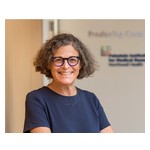
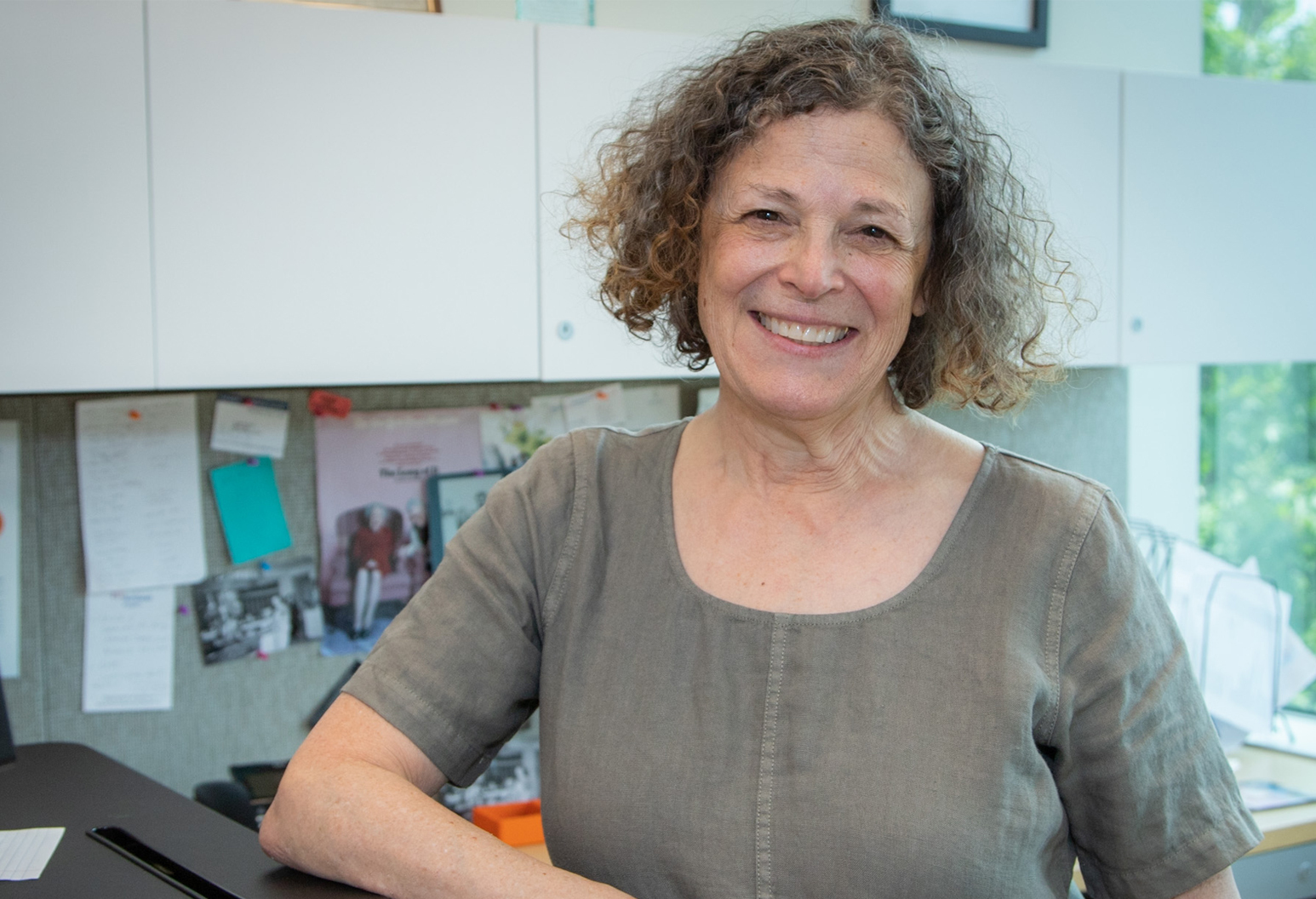
“Prior to any potential hospitalization, particularly someone with dementia or any serious medical condition, it’s imperative that the patient, family, doctors and everyone making decisions get on the same page for treatment and goals of care,” said Edith Burns, MD, professor at the Feinstein Institutes for Medical Research and principal investigator of the new study. “COVID-19 has taught us the power of video and multimedia and through this funding from the NIA we will continue to develop new ways to communicate care-goals, planning early and more effectively.”
Goals of care change over time, based on the evolution of a patient’s status. Research has shown that having these discussions early with the patient and their families while things are stable significantly improves the quality of treatment and overall outcomes. It also reduces the stress of acute illness and hospitalization.
This is the team’s third grant over the past four years that involves advance care planning interventions. Previous research included how to best meet the challenges of COVID-19 by encouraging adults to name a health care surrogate and expanding the reach of palliative care through telehealth. Several studies have been published in highly esteemed, peer-reviewed medical journals, including the Journal of Palliative Medicine and BMJ Open.
“Modern video communication platforms will play an increasingly important role in the future of palliative and home care,” said Kevin J. Tracey, MD, president and CEO of the Feinstein Institutes. “This NIH grant now enables Dr. Burns to impact further advances in patient-centered decision making.”
About the Feinstein Institutes
The Feinstein Institutes for Medical Research is the research arm of Northwell Health, the largest health care provider and private employer in New York State. Home to 50 research labs, 3,000 clinical research studies and 5,000 researchers and staff, the Feinstein Institutes raises the standard of medical innovation through its five institutes of behavioral science, bioelectronic medicine, cancer, health system science, and molecular medicine. We make breakthroughs in genetics, oncology, brain research, mental health, autoimmunity, and are the global scientific leader in bioelectronic medicine – a new field of science that has the potential to revolutionize medicine. For more information about how we produce knowledge to cure disease, visit http://feinstein.northwell.edu and follow us on LinkedIn.
Contacts
Matthew Libassi
631-793-5325
mlibassi@northwell.edu