City of Hope-led study details new strategy to address the barriers that keep older adults out of clinical trials
City of Hope-led study details new strategy to address the barriers that keep older adults out of clinical trials
The study examined what has been done and chartered a roadmap to improve equitable access using the best-available scientific literature on barriers to older adult participation in cancer clinical trials.

DUARTE, Calif.--(BUSINESS WIRE)--A City of Hope-led study revealed little effort has been made to improve older adult representation in clinical trials of new cancer drugs, even when the treatment is aimed at a disease that disproportionately affects this age group.
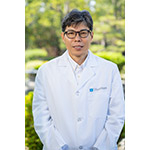
“There is currently no incentive to establish real-world effectiveness among older adults. Older adults need a seat at the table,” said Mina Sedrak, M.D., M.S., lead author of the study and deputy director of the Center for Cancer and Aging at City of Hope, a world-renowned independent research and treatment center for cancer, diabetes and other life-threatening diseases.
Two in 5 Americans with cancer are age 70 or older, yet fewer than 25% of patients in cancer clinical trials registered with the Food and Drug Administration are in this age group, Sedrak said.
The study was published in the journal CA: A Cancer Journal for Clinicians on Oct. 1. Researchers reviewed 8,691 studies that evaluated barriers which hindered older adults from participating in cancer trials. Twelve articles defined complex, interrelated problems as root causes, including stringent eligibility criteria, physician concern for toxicity, ageism, transportation and caregiver burden.
Only one study implemented an intervention meant to increase enrollment of older adults in trials – and it was not successful. This finding starkly amplifies the lack of effective strategies to improve participation of this underrepresented group in cancer research.
The researchers report that cancer trials must ask appropriate questions tailored or driven by the needs of older adults with cancer and should measure relevant outcomes. Their call to action applies to all oncologists and primary care providers, not just geriatric oncologists, Sedrak said, adding that patients should advocate for themselves.
“Ask your doctor about clinical trial opportunities when you’re diagnosed with cancer and do your own research because there may be an option that you haven’t heard about. It may benefit you, but perhaps your doctor may not have considered you for the investigational trial,” he said.
William Dale, M.D., Ph.D., the study’s senior author and an oncologic geriatrician at City of Hope, said, “We don’t know enough about treating our largest group of cancer patients. In the midst of the COVID-19 pandemic, when enrollment in trials is lower than ever due to isolation and distancing practices, actively including older adults in clinical trials is incredibly important.” Dale is the Arthur M. Coppola Family Chair in Supportive Care Medicine at City of Hope.
City of Hope is a leader in offering older patients appropriate and personalized cancer care, as exemplified by the fact that Dale and his colleagues co-wrote the American Society of Clinical Oncology’s guidelines for geriatric oncology in 2018.
This study was supported by the National Institute on Aging (NIA R03AG064377), the National Cancer Institute (NCI K12CA001727), the Waisman Innovation Fund and Circle 1500.
About City of Hope
City of Hope is an independent biomedical research and treatment center for cancer, diabetes and other life-threatening diseases. Founded in 1913, City of Hope is a leader in bone marrow transplantation and immunotherapy such as CAR T cell therapy. City of Hope’s translational research and personalized treatment protocols advance care throughout the world. Human synthetic insulin and numerous breakthrough cancer drugs are based on technology developed at the institution. A National Cancer Institute-designated comprehensive cancer center and a founding member of the National Comprehensive Cancer Network, City of Hope has been ranked among the nation’s “Best Hospitals” in cancer by U.S. News & World Report for 14 consecutive years. Its main campus is located near Los Angeles, with additional locations throughout Southern California. For more information about City of Hope, follow us on Facebook, Twitter, YouTube or Instagram.
Contacts
Zen Vuong
800-888-5323
media@coh.org