AI Can Help COVID-19 Clinical Decision Making, Feinstein Institutes Research Shows
AI Can Help COVID-19 Clinical Decision Making, Feinstein Institutes Research Shows
MANHASSET, N.Y.--(BUSINESS WIRE)--There have been more than 3 million confirmed coronavirus disease 2019 (COVID-19) cases reported across the United States. At the height of the pandemic in the Northeast this spring, hospitals were flooded, and doctors, patients, and patient families were asked to make critical care decisions quickly. In a new perspective paper published today in the Springer Nature journal, Bioelectric Medicine, the Feinstein Institutes for Medical Research discussed how artificial intelligence (AI) and machine learning (ML) tools could be used to aid in making those decisions.
Critical care decision-making tools based on ML, or the study of computer algorithms that improve automatically through experience, have been increasingly available, and some have already been used by clinicians worldwide. Throughout a hospitalized patient’s journey, there are opportunities for ML supported choices based on collected vitals, laboratory results, medication orders, and comorbidities. As noted in the paper, datasets collected from patients rapidly grew during the pandemic, which underscores the need to begin to develop and validate “Emergency ML” models to put into practice.
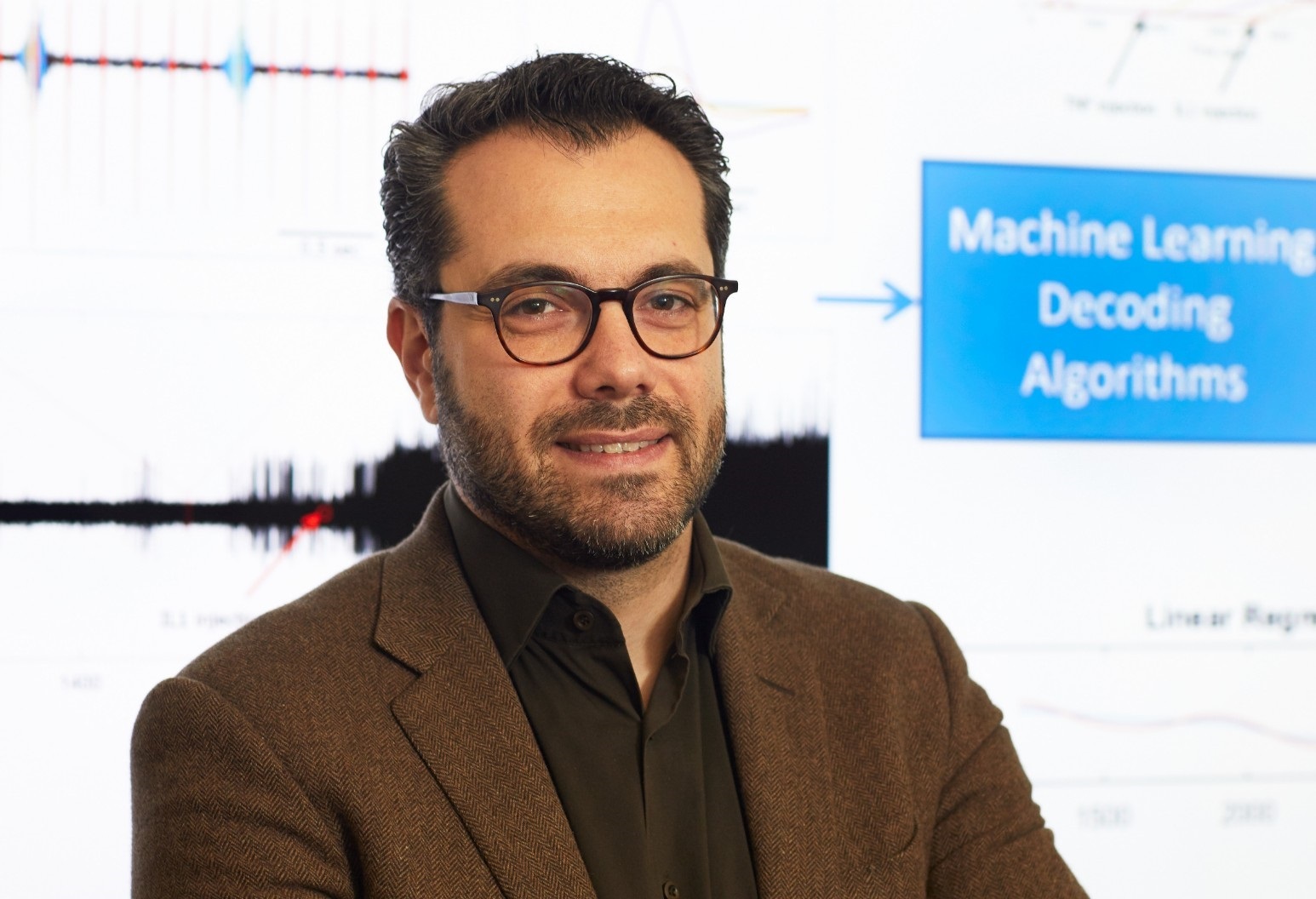
“The rate of increase in the number of patients admitted, triaged and treated during the COVID-19 crisis was unprecedented these past three months,” said Theodoros Zanos, PhD, senior author of the paper and assistant professor at the Institute of Bioelectric Medicine at Feinstein. “Researching patient data from the pandemic is key to creating cutting-edge AI tools that can provide our frontline clinicians with important information and assist them in making evidence-based recommendations.”
Through this paper, a team of computer scientists and engineers, as well as emergency medicine, intensive care, and hospitalists, offered insights on how and when ML can inform better clinical decisions. As patients move between a range of clinical settings (outpatient clinics, emergency departments, floor units, intensive care units), health providers make a range of decisions from small to potentially life-altering. Those decisions, along with relevant clinical data and outcomes, could be harnessed to develop novel clinical ML tools.
For example, during the COVID-19 crisis, data collected from the emergency room, such as first labs, information on patients presenting symptoms (or lack thereof), triaging decisions, as well as rolling assessments of beds and staffing needs, can be essential in the process of developing smarter triaging models.
ML can also assist health care providers with the most emotionally difficult conversations with patients and their families: goals of care. By providing an objective measure of survival, ML methods can offer clinicians, patients, and their families’ essential information in this shared decision process. The ultimate goal of any model is to maximize patient outcomes for the greatest number of patients within an acceptable ethical framework.
“With abundant electronic medical data, evidence-based prediction tools can facilitate medical decision making during challenging times,” said Kevin J. Tracey, MD, president and CEO of the Feinstein Institutes. “Dr. Zanos’ work is helping to identify opportunities for the use of AI in this context, validate and harness important data to fight COVID-19.”
About the Feinstein Institutes
The Feinstein Institutes for Medical Research is the research arm of Northwell Health, the largest health care provider and private employer in New York State. Home to 50 research labs, 3,000 clinical research studies and 5,000 researchers and staff, the Feinstein Institutes raises the standard of medical innovation through its five institutes of behavioral science, bioelectronic medicine, cancer, health innovations and outcomes, and molecular medicine. We make breakthroughs in genetics, oncology, brain research, mental health, autoimmunity, and are the global scientific leader in bioelectronic medicine – a new field of science that has the potential to revolutionize medicine. For more information about how we produce knowledge to cure disease, visit http://feinstein.northwell.edu and follow us on LinkedIn.
Contacts
Matthew Libassi
516-465-8325
mlibassi@northwell.edu