Cell Therapy Tools for Cartilage Repair From Osteoarthritic Knee Joint of Elderly
Cell Therapy Tools for Cartilage Repair From Osteoarthritic Knee Joint of Elderly
Pluripotent cells grown from discard-worthy tissue by Edogawa hospital; World’s first such report
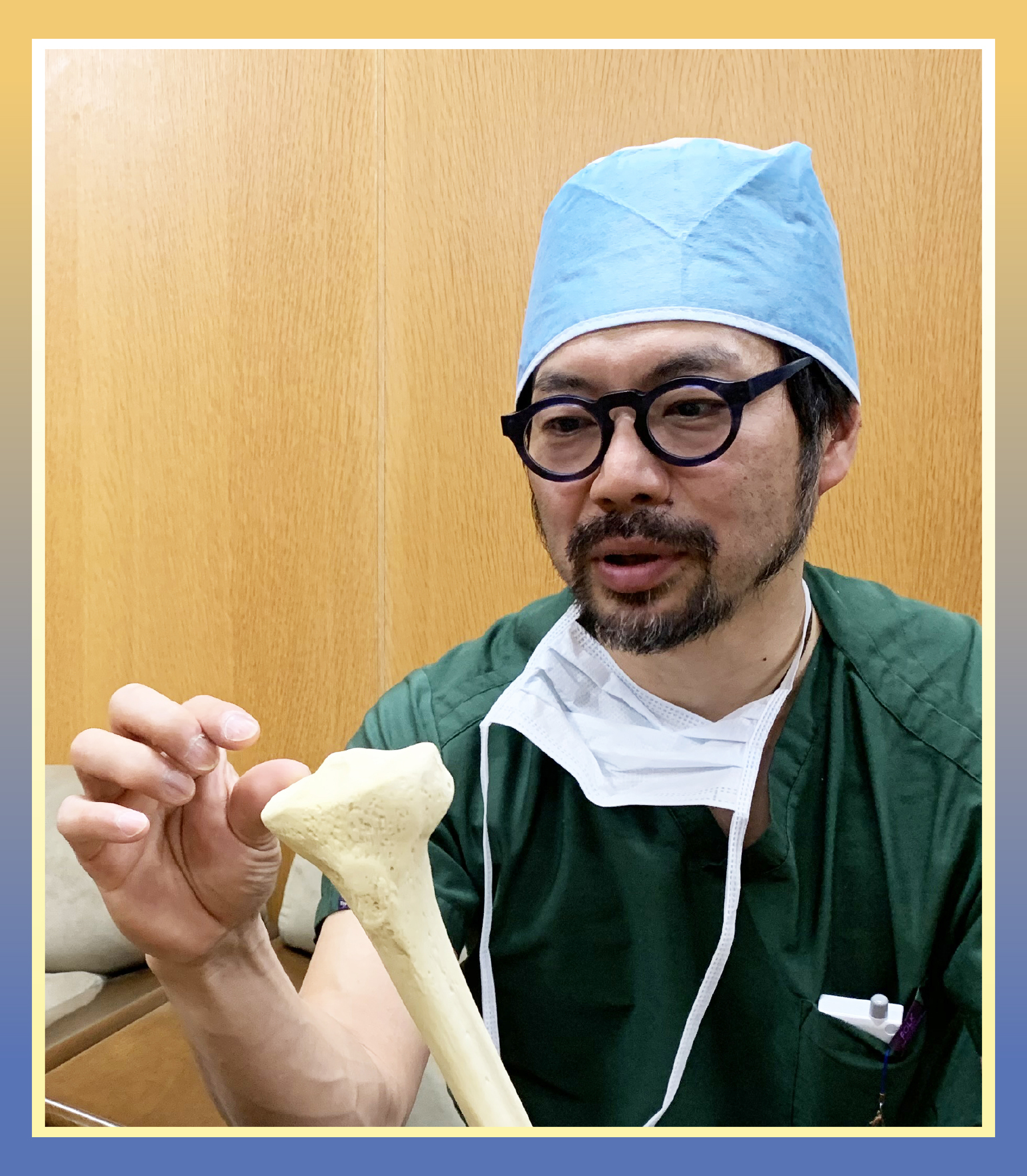
TOKYO--(BUSINESS WIRE)--A break through feat of growing pluripotency expressing cells from osteoarthritis (OA) affected cartilage tissue of knee joints of elderly has been reported by orthopedicians and cell culture experts led by Dr Shojiro Katoh, President, Edogawa Hospital. OA affects, knee joints of millions globally and those with severe disease, undergo Total Knee Arthroplasty (TKA), in which damaged cartilage is replaced with artificial knee prosthesis. Dr Katoh, during TKA surgery, took portions of the damaged tissue, which otherwise is discarded, isolated chondrocyte cells in tissue engineering lab, and could culture them as fully reorganized healthy cartilage tissue, expressing biomarkers relevant to pluripotency.
Cartilage of the knee joint acts as a cushion between bones of the thigh and leg and absorbs the body weight. When cartilage is damaged due to sports injury, trauma or wear and tear, it causes joint pain and disability. In early stage of the disease, Autologous Chondrocyte Implantation (ACI) or Matrix Assisted Chondrocyte Implantation (MACI) are practiced. Such cell therapies use patient’s own cartilage cells, harvested from healthy, non-weight bearing area, grown in lab, and transplanted to replace the damaged tissue, to restore functionality.
"This could probably be the world’s first report of Osteoarthritis tissue, yielding cells expressing pluripotency markers," said Dr. Katoh, citing their publication in Regenerative Therapy Journal (https://www.sciencedirect.com/science/article/pii/S2352320420300274), also presented in the 19th Japanese society for regenerative medicine meeting. "Our technique may help utilize OA affected cartilage, discarded as biomedical waste, as a source of tools of cell therapies viz., cells, cell secreted growth factors, and exosomes to repair cartilage defects in regenerative medicine," he added.
Edogawa hospital, located in eastern Tokyo, has many senior citizens. "Contrary to the age-old belief that Wisdom is the strength of elders, this research finding has made me humble, to learn about nature’s hidden strength in their physical intricacies too, fueling our enthusiasm," said Dr Katoh adding a philosophical humility to his accomplishment. His Edogawa Evolutionary Lab of Science (EELS), having confirmed hyaline phenotype is now evaluating miRNA-140 and Hyaluronan expression of chondrocytes.
This technology has a potential to solve cartilage damage of approximately 12 million people annually worldwide, according to JBM Inc, and GN Corporation, co-applicants to a patent and research partners to EELS.
Contacts
Samuel JK Abraham
GN Corporation
info@gncorporation.com