
How Many of Shenzhen’s Surprising Technologies Do You Know?
How Many of Shenzhen’s Surprising Technologies Do You Know?
SHENZHEN, China--(BUSINESS WIRE)--Once known primarily as a global manufacturing hub, Shenzhen is increasingly becoming a testing ground for the future of urban living. Located in the Guangdong–Hong Kong–Macao Greater Bay Area (GBA), the southern Chinese metropolis is bringing emerging technologies out of laboratories and into everyday public life, offering insights into how innovation could address common urban challenges.
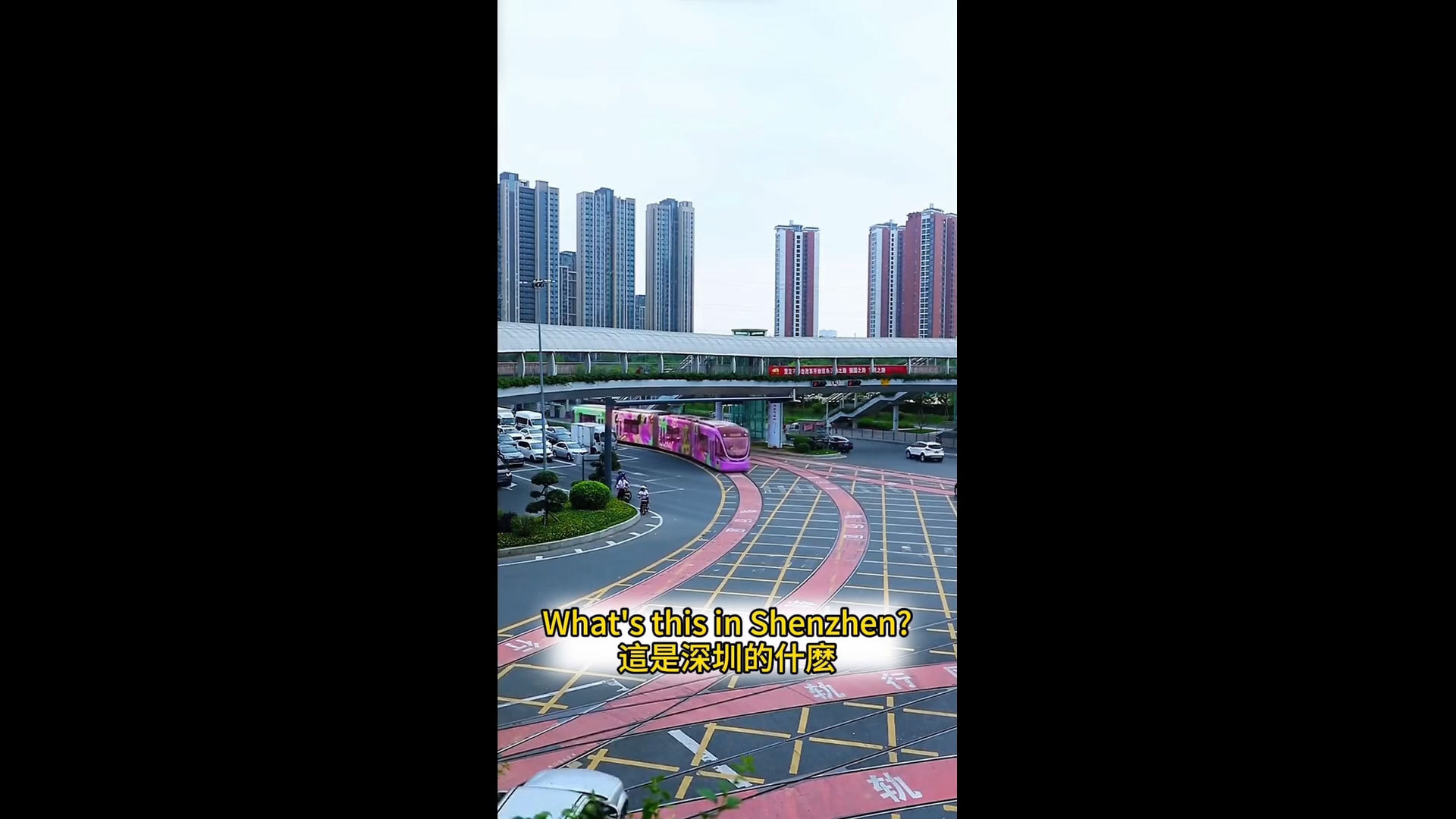
Across Shenzhen, technology is changing the way residents commute, travel and interact with public infrastructure. Color-changing trams serve commuters during the day and illuminate streets after dark. An automated parking facility accommodates 120 vehicles within just 178 square meters, retrieving cars in as little as 58 seconds – a potential solution to parking shortages in densely populated cities.
Artificial intelligence is being integrated into public transport systems to improve the passenger experience, while specially designed elevators help residents transport electric bicycles more safely.
Innovation is also visible in smaller, practical applications. Solar-powered benches allow pedestrians to charge their mobile phones, smart shelters release cooling mist during hot summer days, and wireless charging stations installed along streets provide convenient access to power.
Shenzhen is also exploring new forms of urban mobility. Autonomous taxis operate across a road network spanning more than 1,200 kilometers, while emerging air-taxi services offer alternative transport options. Drone deliveries are bringing food and parcels directly to residents, demonstrating how low-altitude aviation could reshape urban logistics.
Robotic police units assist with public-order duties, reflecting another application of automation in municipal services. Meanwhile, major infrastructure projects, including the expansive Gangxia North metro hub and the Ping An Finance Centre, the world's sixth-tallest skyscraper, illustrate the scale of Shenzhen's urban development. Giant glasses-free 3D displays add a digital dimension to commercial districts.
Not all these technologies have reached widespread commercial adoption. Many remain in pilot or early deployment stages, and their broader implementation will depend on factors such as cost, safety, regulation and public acceptance.
Nevertheless, Shenzhen offers an interesting case study for cities worldwide seeking to integrate artificial intelligence, automation and clean-energy technologies into urban infrastructure.
As cities around the world confront growing populations, congestion and climate-related challenges, Shenzhen's experiments provide a glimpse into both the possibilities and practical considerations of building smarter, more connected urban environments.
https://youtube.com/shorts/Qd0Gw060CZA?si=y0kGQ0EYzvucsCzV
Contacts
Albert Huang
Email: 1713543383@qq.com