Flashfood Releases 2025 Impact Report: “The Future of Food Is Abundant”
Flashfood Releases 2025 Impact Report: “The Future of Food Is Abundant”
New report reveals nearly 33 million pounds of food diverted from landfills, $85 million in shopper savings, and the growing role of technology in making fresh food more affordable.
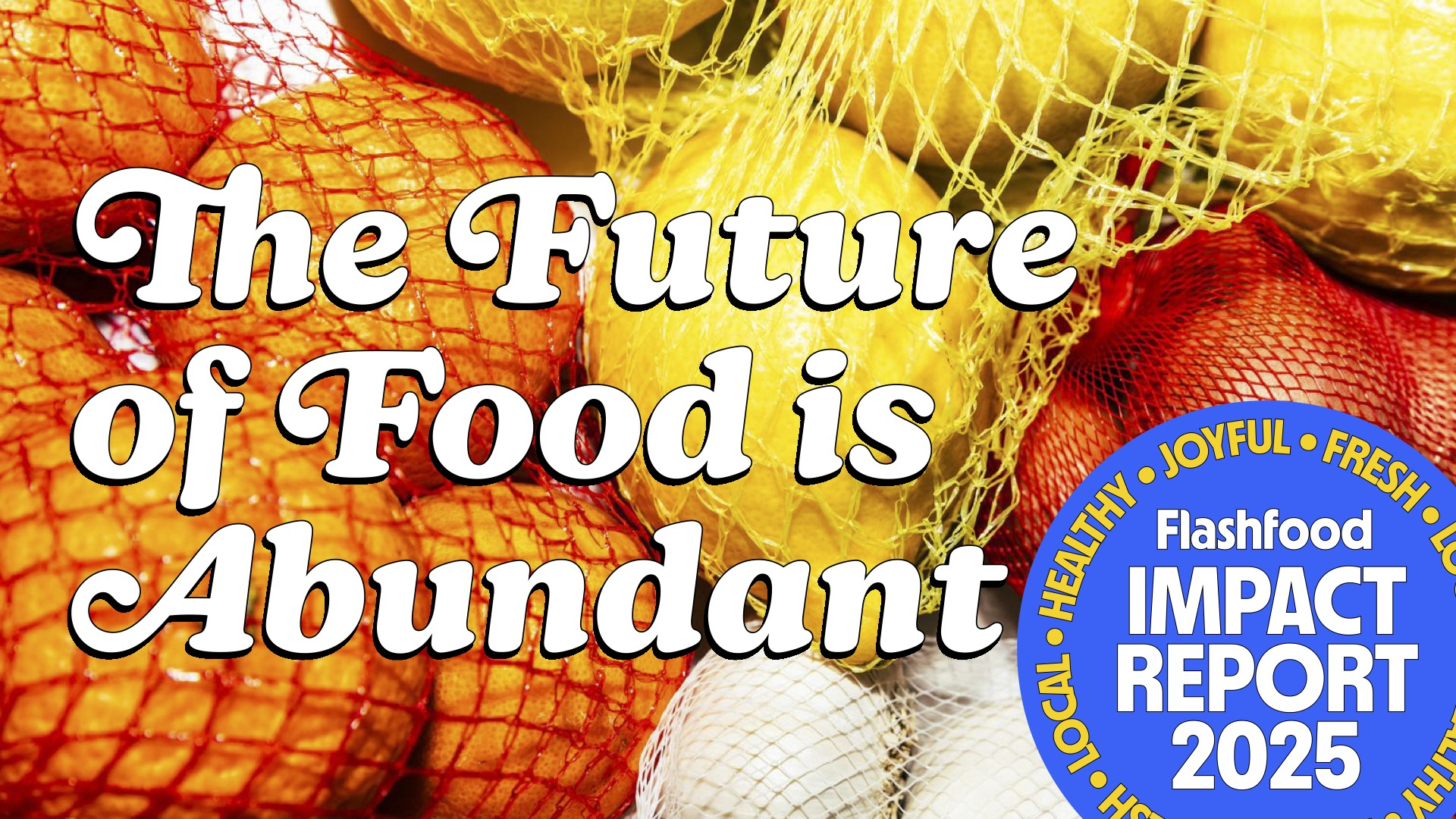
TORONTO--(BUSINESS WIRE)--Flashfood, the leading marketplace for surplus groceries, today released its 2025 Impact Report, The Future of Food Is Abundant. The report outlines Flashfood’s vision for a more resilient food system where fresh, nutritious food is more consistently affordable, available and abundant.
Our deeply connected global economy has led to an unstable food system, with weather, conflicts, tariffs, inflation, and politics driving the bulk of the volatility. Flashfood’s report makes the case that reducing food waste represents one of the most immediate opportunities to improve and stabilize food access. Rather than allowing $35 billion of fresh food to go to waste at grocery stores each year, Flashfood’s marketplace enables grocers to make surplus items available to shoppers at significant discounts.
"Food waste has always been considered an unavoidable cost of the grocery system. We want to make the case that it’s also one of the clearest opportunities to make that system stronger,” said Jordan Schenck, CEO of Flashfood. “When we use technology to recover surplus food, particularly the fresh food that makes up the lion's share of waste today, retailers recover value, shoppers get more affordable access to fresh groceries and communities become more resilient. That is the abundant food system we are building and we believe it will be the baseline, not the aspiration.”
In 2025, Flashfood delivered measurable impact across North America, helping shoppers save money while keeping quality food in circulation. Key highlights include:
- 32.9 million pounds of food diverted from landfills
- $85.5 million saved by shoppers on fresh groceries
- 1.6 million Produce Boxes sold
The report also highlights early research at the Gies College of Business at the University of Illinois Urbana-Champaign that shows Flashfood is having a measurable impact on food insecurity in the communities it serves. A dissertation exploring the role of technology on the food supply chain found that, on average, one Flashfood store reduces a county-level food insecurity rate by 0.090 percentage points, translating to approximately 860 people per county — or an estimated 146,000 people across all counties where Flashfood operates.
Flashfood expanded its marketplace in 2025 through partnerships with retailers including Kroger’s Mid-Atlantic Division and Gelson’s Markets in Southern California. The company also continued investing in technology to help grocers post surplus inventory more quickly and efficiently, with plans to further expand its retail network and platform in the year ahead.
For more information and to read Flashfood’s full 2025 Impact Report, visit www.flashfood.com.
About Flashfood
Flashfood is on a mission to feed families, not landfills. The app marketplace connects shoppers with fresh produce, meat, and other groceries at discounted prices. By partnering with retailers across North America, Flashfood offers shoppers nutritious staples at affordable prices while reducing the amount of food going to landfills. To date, Flashfood has rerouted more than 180 million pounds of food from landfills while helping shoppers save more than $370 million on groceries. Flashfood is a Certified B Corporation currently partnered with more than 2,000 grocery stores across North America. For more information, visit www.flashfood.com.
Contacts
PR Contact:
Esther Cohn
press@flashfood.com