Omdia Predicts Display Glass Supply to Be Constrained in 2025
Omdia Predicts Display Glass Supply to Be Constrained in 2025
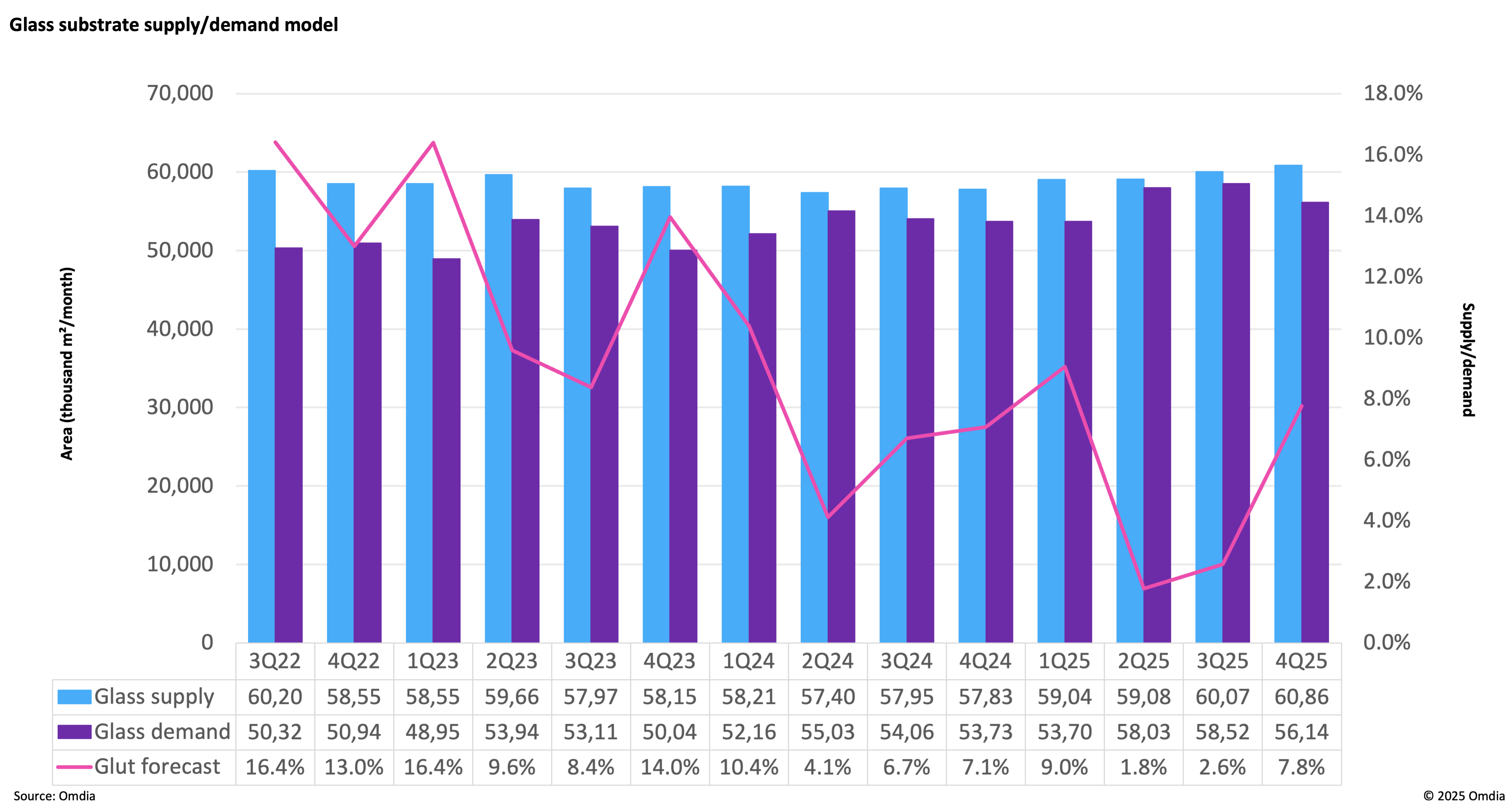
LONDON--(BUSINESS WIRE)--The market for flat panel display (FPD) glass is expected to face significant supply constraints during 2025 according to the latest analysis from Omdia. Leading glass makers including Corning, AGC, and NEG have historically engaged in intense price competition, prioritizing market share expansion. However, over the past several years, the combination of rising energy costs and sustained price declines has caused them to shift their focus toward improving profitability, leading to strategic production adjustments.
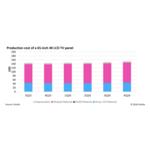
Glass production is an energy-intensive process requiring temperatures exceeding 1000 degrees Celsius to melt glass materials. Energy expenses account for more than 50% of the total production costs, and the combination of increasing costs and declining glass prices has severely impacted profitability. In response, leading glass makers raised glass prices by more than 10% in both 2H23 and 2H24, aligning with inflationary pressures in energy costs.
Previously, glass makers maintained over two months’ worth of inventory as a safeguard against disruptions such as glass tank failures, which can take months to recover from. However, over the past 5 years, glass makers have adjusted their production based on shipment volumes to protect profitability, reducing available inventory.
In November 2024, a fire at one of the largest glass makers exacerbated the supply shortage of FPD glass. With glass demand growth expected to exceed capacity expansion in 2025, supply constraints are expected, particularly in 2Q and 3Q25.
Meanwhile, Chinese glass makers are aggressively investing in new glass tank facilities and offering lower prices than leading global producers. This competitive push may enable them to gain market share in 2025.
“With supply/demand expected to remain extremely tight in 2025, FPD glass makers are likely to implement further price increases this year. As a result, market revenue is forecasted to grow by 15%, rising from $6.12 billion in 2024 to $7.05 billion in 2025,” said Tadashi Uno, Display Research Manager at Omdia.
ABOUT OMDIA
Omdia, part of Informa TechTarget, Inc. (Nasdaq: TTGT), is a technology research and advisory group. Our deep knowledge of tech markets combined with our actionable insights empower organizations to make smart growth decisions.
Contacts
Fasiha Khan: fasiha.khan@omdia.com