New Research Identifies Potential Therapeutic Target for Fatty Liver Disease and Metabolic Syndrome
New Research Identifies Potential Therapeutic Target for Fatty Liver Disease and Metabolic Syndrome
MANHASSET, N.Y.--(BUSINESS WIRE)--More than a third of the global population is impacted by obesity, fatty liver diseases, Metabolic Dysfunction-Associated Steatotic Liver Disease (MASLD) and Metabolic-Associated Steatohepatitis (MASH), which can lead to cancer if untreated. Researchers at The Feinstein Institutes for Medical Research have discovered a promising new therapeutic target for these conditions.
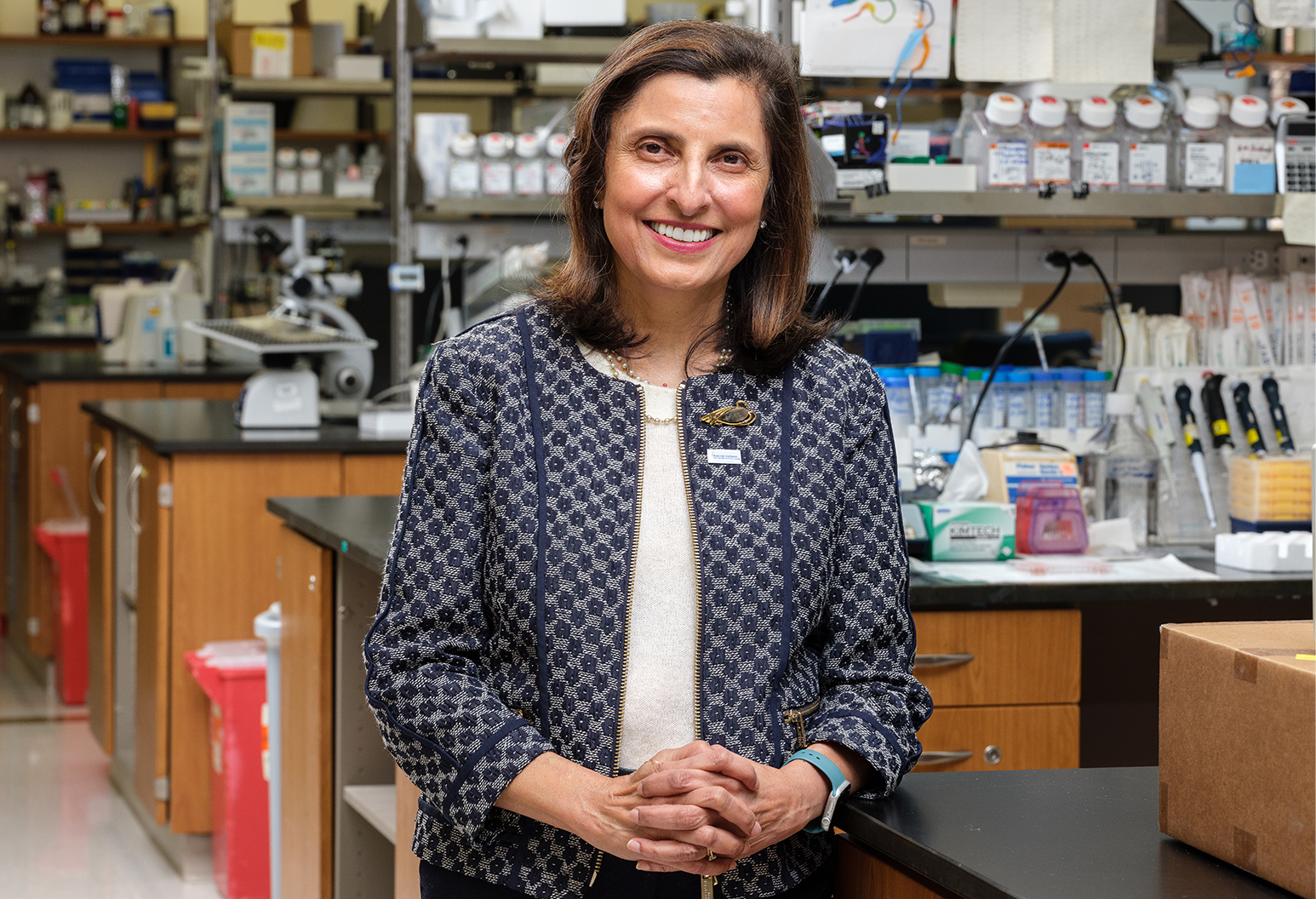
Published in Cell Reports, the study highlights the role of the protein SPTBN1 (β2-spectrin) in inhibiting the progression of MASLD/MASH. Led by Lopa Mishra, MD, co-director of the Institute of Bioelectronic Medicine at the Feinstein Institutes, the research reveals that SPTBN1 is crucial in regulating the disease, which is often linked to metabolic syndrome, a cluster of conditions including obesity, high blood sugar and abnormal cholesterol levels that increase the risk of heart disease, stroke and type 2 diabetes.
“Our findings identify SPTBN1 as a potential therapeutic target for fatty liver diseases and metabolic syndromes,” said Dr. Mishra, the Susan and Herman Merinoff Distinguished Chair in Translational Medicine at the Zucker School of Medicine at Hofstra/Northwell. “This means that by targeting this protein, it could lead to novel treatments for millions suffering from these debilitating conditions.”
The study further highlights how environmental factors, along with the reduced function of the enzyme aldehyde dehydrogenase 2 (ALDH2), contribute to disease development. ALDH2 deficiency, affecting approximately 560 million people globally, leads to toxic aldehyde accumulation in the liver, disrupting SPTBN1’s normal function and contributing to MASLD/MASH progression.
“Dr. Mishra’s research provides crucial insights into the complex mechanisms driving obesity and fatty liver diseases,” said Kevin J. Tracey, MD, president and CEO of the Feinstein Institutes and Karches Family Distinguished Chair in Medical Research. “This work opens new avenues for exploring therapies for these serious conditions.”
Importantly, the researchers demonstrated that inhibiting SPTBN1 in preclinical models effectively blocked MASLD/MASH progression, reduced liver damage and improved glucose metabolism. These findings suggest that targeting SPTBN1 could be a viable strategy for treating these widespread metabolic disorders.
About the Feinstein Institutes
The Feinstein Institutes for Medical Research is the home of the research institutes of Northwell Health, the largest health care provider and private employer in New York State. Encompassing 50 research labs, 3,000 clinical research studies and 5,000 researchers and staff, the Feinstein Institutes raises the standard of medical innovation through its six institutes of behavioral science, bioelectronic medicine, cancer, health system science, translational research, and molecular medicine. We make breakthroughs in health condition, including endometriosis, lupus, postpartum depression, schizophrenia, sepsis. We are the global scientific leader in bioelectronic medicine – an innovative field of science that has the potential to revolutionize medicine. For more information about how we produce knowledge to cure disease, visit http://feinstein.northwell.edu and follow us on LinkedIn.
Contacts
Matthew Libassi
631-793-5325
mlibassi@northwell.edu