Feinstein Institutes Researchers Discover a Molecule to Clear Invading Bacteria in Septic Patients
Feinstein Institutes Researchers Discover a Molecule to Clear Invading Bacteria in Septic Patients
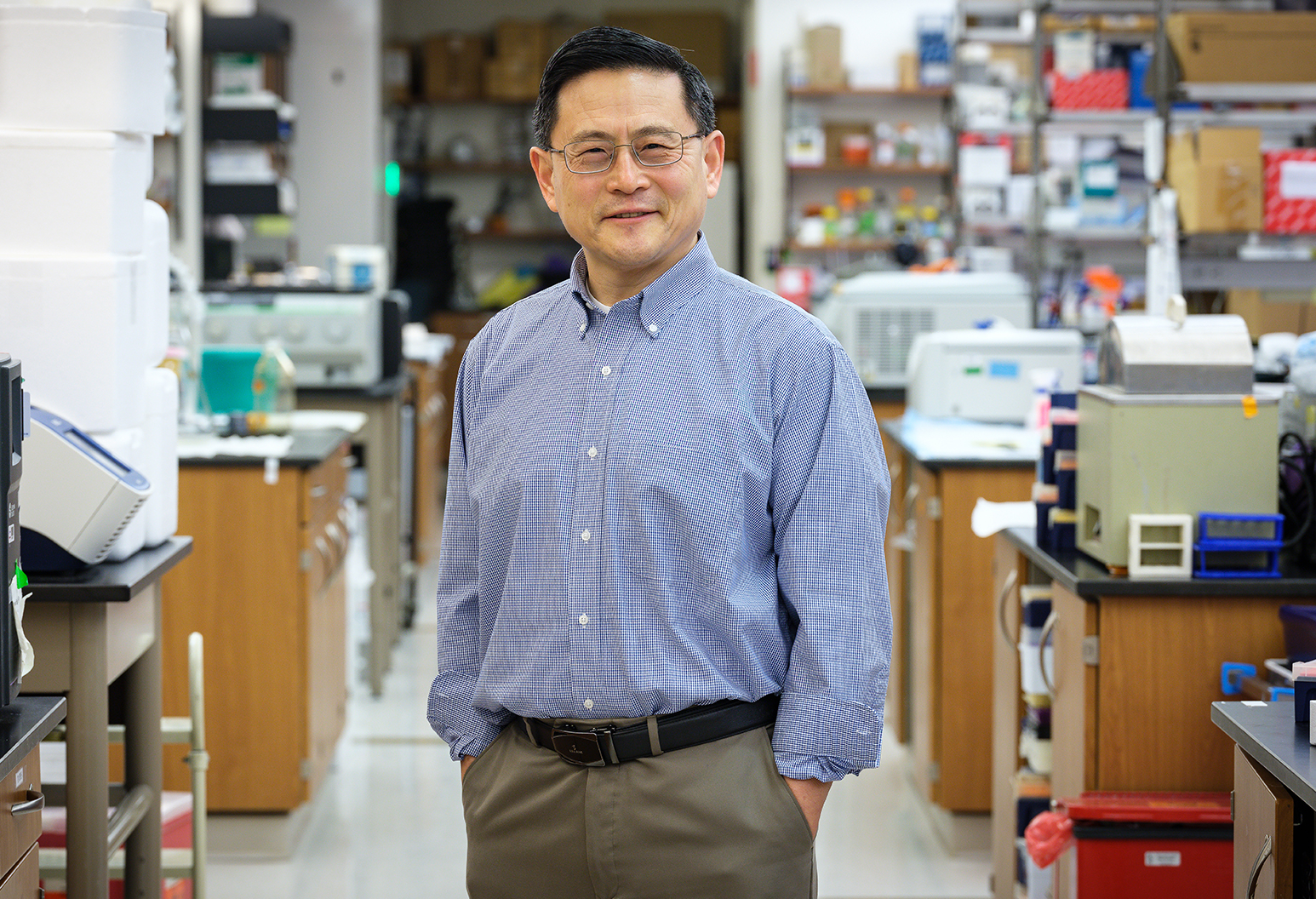
The sepsis study, led by Ping Wang, MD, was recently published in Springer Nature’s Cellular and Molecular Immunology
MANHASSET, N.Y.--(BUSINESS WIRE)--Sepsis often leads to shock and multiple organ failure, making it one of the leading causes of in-hospital deaths worldwide. While much of the mystery surrounding sepsis remains, Feinstein Institutes for Medical Research scientists published in Cellular & Molecular Immunology the discovery of a protein that inhibits the body’s ability to clear bacteria, opening new avenues of therapeutic research.
The new study explores how extracellular cold-inducible RNA-binding protein (eCIRP) – an alarm molecule released during sepsis – causes immune dysfunction. Specifically, eCIRP disrupts the cells within the immune system, which ingest bacteria and secrete both pro-inflammatory and antimicrobial mediators, known as macrophages. Macrophages play an important role in eliminating invading bacteria and damaged or dead cells from the body; however, new research shows how eCIRP dysregulates its normal function and contributes to sepsis progression.
The research, led by Feinstein Institutes’ Ping Wang, MD, explains how eCIRP disrupts the cytoskeleton – the structure that maintains a cell’s shape – in lab mice, ultimately leading to the impairment of macrophage bacterial digestion during sepsis. Conversely, eCIRP-deficient, or eCIRP-neutralizing antibody-treated mice restored the macrophage function and reduced bacterial load. Indeed, the mice without eCIRP proteins displayed better survival outcomes.
“There is no single specific treatment for patients with sepsis and it remains an enigmatic disease for researchers globally,” said Dr. Wang, professor and chief scientific officer at the Feinstein Institutes. “By reducing eCIRP molecules, we can lower the bacteria in septic patients and improve their outcome. This new information opens new avenues of research for effective therapies.”
Sepsis impacts at least 1.7 million Americans annually, leading to the death of 270,000 patients and accounting for 30 percent of all hospital deaths. Sepsis occurs when the body’s immune system triggers inflammation to help fight against infection. If out of control, this inflammatory response can cause damage to multiple organ systems and often leads to death. Septic patients often exhibit the simultaneous occurrence of pro- and anti-inflammatory pathways, which can lead them to suffer from immunosuppression, the inability to eradicate invading bacteria and eventually become susceptible to secondary infections. Macrophages clear pathogens in the body, but during sepsis, the macrophage’s bacterial phagocytic ability is compromised. This results in bacterial overgrowth that can ultimately cause tissue injury and death.
The study suggests that because of these findings, new therapies for sepsis could be provided. Currently, targeting sepsis-induced immunosuppression is one of the most striking therapeutic directions being studied. Correcting the function of macrophages for efficient clearance of pathogens could be an important therapeutic strategy to safeguard patients from sepsis. It could also provide a new therapeutic avenue to restore host defense against pathogens to improve the outcomes of sepsis, and potentially other inflammatory disease conditions.
“Sepsis affects millions of people annually, and effective therapies are needed,” said Kevin J. Tracey, MD, president and CEO of the Feinstein Institutes. “The discoveries from Dr. Wang, and his lab, pave the way to exploring new mechanisms that may one day lead to new treatments.”
The Feinstein Institutes continues to lead research studying the molecular mechanisms of sepsis to develop treatments. Most recently, Dr. Wang and co-principal investigators received $3.8 million from the National Institute of Health to study sepsis and radiation exposure.
About the Feinstein Institutes
The Feinstein Institutes for Medical Research is the home of the research institutes of Northwell Health, the largest health care provider and private employer in New York State. Encompassing 50 research labs, 3,000 clinical research studies and 5,000 researchers and staff, the Feinstein Institutes raises the standard of medical innovation through its five institutes of behavioral science, bioelectronic medicine, cancer, health system science, and molecular medicine. We make breakthroughs in genetics, oncology, brain research, mental health, autoimmunity, and are the global scientific leader in bioelectronic medicine – a new field of science that has the potential to revolutionize medicine. For more information about how we produce knowledge to cure disease, visit http://feinstein.northwell.edu and follow us on LinkedIn.
Contacts
Julianne Mosher Allen
516-880-4824
jmosherallen@northwell.edu