Colossal Accelerates Research and Development of Life-Saving Vaccine to Prevent Elephant Extinction
Colossal Accelerates Research and Development of Life-Saving Vaccine to Prevent Elephant Extinction
The de-extinction company doubles down on genomic sequencing of EEHV for the development of a vaccine that can eradicate one of the deadliest viruses affecting the endangered elephant
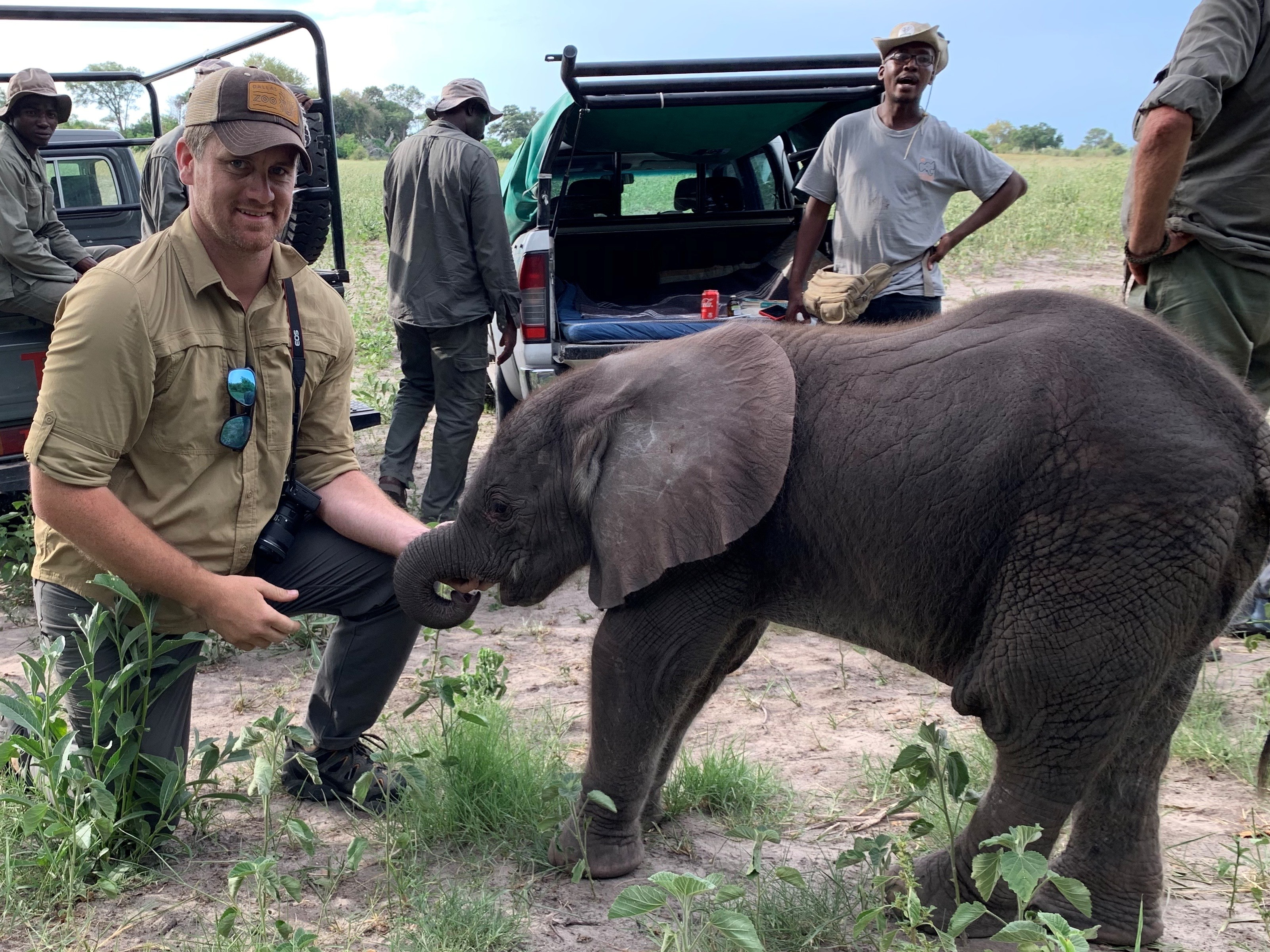
DALLAS--(BUSINESS WIRE)--Colossal Biosciences, a breakthrough genetic engineering and de-extinction company, accelerates efforts to end elephant extinction on Earth. The initiative includes using innovative technologies to uncover mechanisms by which Fatal Elephant Endotheliotropic Herpes Virus (“EEHV”) causes illness and is the leading cause of death in juvenile Asian elephants born in North America and in their natural range countries. Colossal will lead the development of novel treatments and a vaccine to prevent the deadly disease and protect as many elephants as possible - both in zoos and in their natural habitats.
To advance this effort, Colossal partnered with the world’s leading EEHV researcher Dr. Paul Ling, professor in the Department of Microbiology and Virology at Baylor College of Medicine in Houston, Texas, and member of the Colossal scientific advisory board. Colossal and Dr. Ling’s lab will accelerate milestones in three phases, including the development and rollout of a protein subunit vaccine, the development of an mRNA vaccine, and the development of a monoclonal antibody treatment. The collaboration will advance the understanding of the disease, including the immune repertoire of elephants who are actively infected with the virus, to treat elephants who are critically ill with EEHV and prevent the spread of the disease in the future.
“EEHV is responsible for about half of the deaths of young elephants in zoos. A staggering yet preventable figure. Our research aims to stop it in its tracks,” said Dr. Ling. His Bench to Barn research program in partnership with the Houston Zoo, which focuses on diagnostics, treatments and a vaccine, will be bolstered by Colossal’s partnership.
“In the wild, elephants are a critical keystone species, a key player in maintaining the biodiversity and health of the ecosystems they inhabit. Disruptive conservation methods rooted in genetics complement existing preservation efforts, and ensure a future for all elephants to thrive,” said Matt James, Colossal Head of Animal Operations, who oversees animal care strategies around de-extinction programs, endangered species protection and field conservation efforts for the company.
Colossal previously announced plans to de-extinct the woolly mammoth, which shares 99.6 percent of its genetic ancestry with the endangered Asian elephant, the same elephant populations that are being decimated by EEHV.
“The living populations of Asian elephants are critical for the restoration of the woolly mammoth, but more importantly, for the preservation of the elephant lineage. We’re thrilled to advance science to benefit both existing and future generations of elephants and mammoths,” said Justin Quinn, Colossal Director of Product Development.
Earlier this year, Colossal and the Vertebrate Genomes Project (VGP) announced the world’s first effort to preserve the genetic code of the existing elephant lineage, including the Asian elephant (Elephas maximus), African elephant (Loxodonta africana), and Forest elephant (Loxodonta cyclotis), of which all three species are endangered.
ABOUT COLOSSAL
Colossal was founded by emerging technology and software entrepreneur Ben Lamm and world-renowned geneticist and serial biotech entrepreneur George Church, Ph.D., and is the first to apply CRISPR technology for the purposes of species de-extinction. Colossal creates innovative technologies for species restoration, critically endangered species protection and the repopulation of critical ecosystems that support the continuation of life on Earth. Colossal is accepting humanity’s duty to restore Earth to a healthier state, while also solving for the future economies and biological necessities of the human condition through cutting-edge science and technologies. To follow along, please visit: www.colossal.com
WEBSITE & SOCIALS
Websites: www.colossal.com
Twitter: https://twitter.com/itiscolossal
Instagram: https://www.instagram.com/itiscolossal/
LinkedIn: https://www.linkedin.com/company/itiscolossal/
Facebook: https://www.facebook.com/itiscolossal
Hashtag: #itiscolossal
Contacts
Media Contact:
Emily.Mailaender@rogersandcowanpmk.com