Feinstein Institutes Researchers Spotlight Personalized Clinical Trials to Advance Scientific Research
Feinstein Institutes Researchers Spotlight Personalized Clinical Trials to Advance Scientific Research
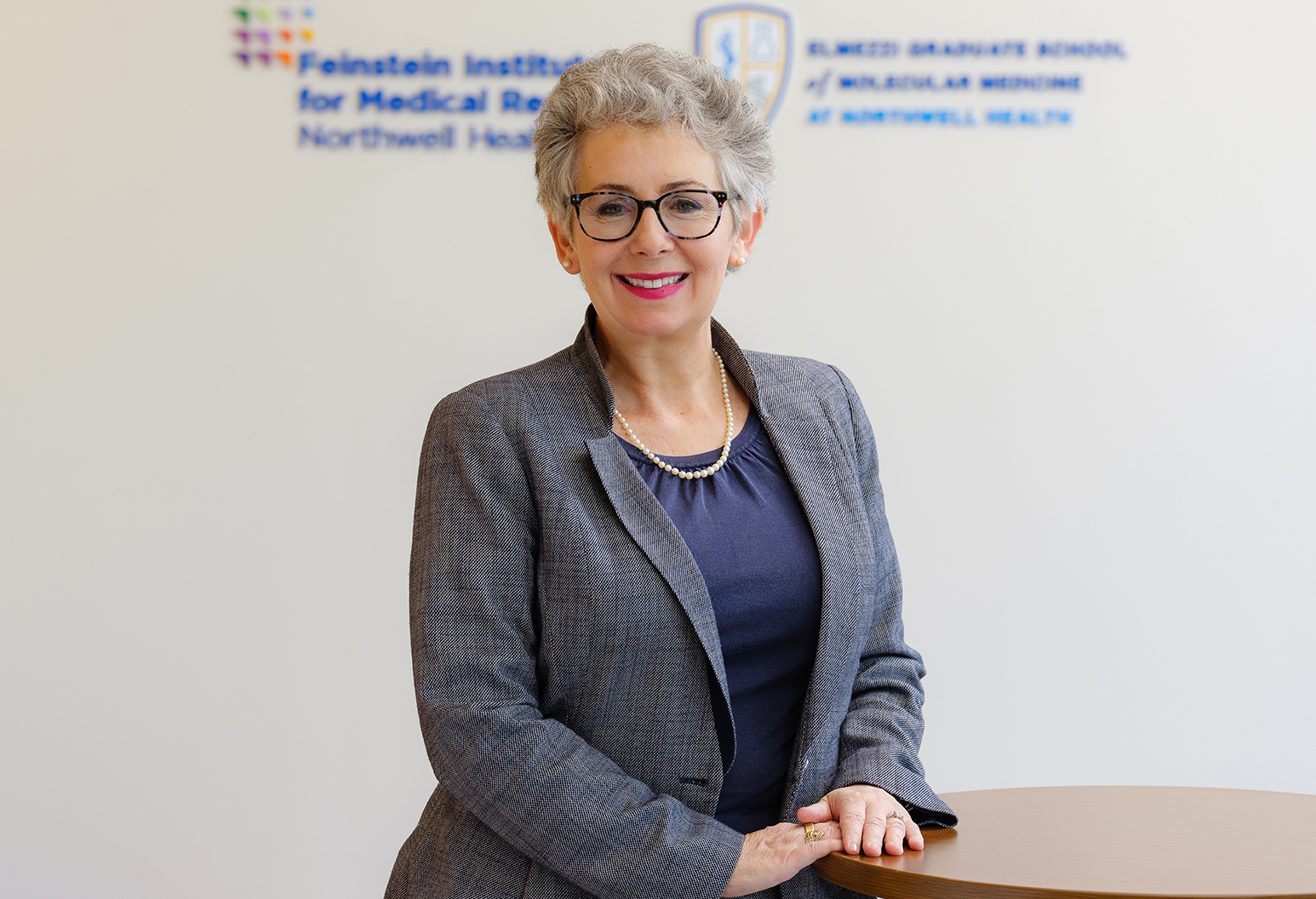
Dr. Karina Davidson serves as guest editor in a special Harvard Data Science Review issue outlining the potential N-of-1 clinical trials hold for scientific research.
MANHASSET, N.Y.--(BUSINESS WIRE)--Clinical trials are the backbone of scientific progress; every new drug, device, or medical procedure must be investigated to ensure their safety and efficacy. Standard clinical trials – like randomized controlled trials (RCT) – often include large groups of people and are not tailored for personalized care. In a new, special issue of Harvard Data Science Review, researchers at The Feinstein Institutes for Medical Research gathered data from around the world that explores personalized, also known as N-of-1, clinical trials and how they benefit the patient.
The collection of research, titled “Personalized (N-of-1) Trials: Methods, Applications, and Impact,” was compiled under the direction of Karina Davidson, PhD, director of the Institute of Health System Science at the Feinstein Institutes. In an introductory essay authored by Dr. Davidson, along with several other Feinstein Institutes researchers, they provide evidence and commentary about why personalized trials hold the key to deliver tailored, patient-centric treatment options, all while allowing investigators to collect meaningful and in-depth scientific data.
“There is no one-size-fits-all approach to research and personalized clinical trials offer a unique way to conduct research while individualizing care,” said Dr. Davidson, Donald and Barbara Zucker Endowed Professor in Health Outcomes. “Through this special collection of research, we hope to inform and educate both the general public and fellow investigators about what personalized trials can offer patients and scientists.”
Personalized trials may not work for all types of research, but could be most beneficial for behavioral health and chronic conditions like asthma, weight or pain management studies. Personalized clinical trials can also shed insight on when to discontinue a medication or treatment – allowing a patient to determine what drugs are vitally needed and what are unnecessary.
The research collection in Harvard Data Science Review discusses the current pitfalls investigators face in order to implement more personalized clinical trials – such as explaining what the term N-of-1 means to the general public. To identify those concerns, Dr. Davidson shares results from a focus group she and colleagues conducted around personalized trials, the terminology used and the attitudes both patients, clinicians and research leaders feel about them.
“Personalized clinical trials can advance science while providing individualized treatment to those enrolled in the study,” said Kevin J. Tracey, MD, president and CEO of the Feinstein Institutes and Karches Family Distinguished Chair in Medical Research. “Dr. Davidson and colleagues shed light from valuable research across the globe on the challenges and solutions to implement N-of-1 trials.”
About the Feinstein Institutes
The Feinstein Institutes for Medical Research is the home of the research institutes of Northwell Health, the largest health care provider and private employer in New York State. Encompassing 50 research labs, 3,000 clinical research studies and 5,000 researchers and staff, the Feinstein Institutes raises the standard of medical innovation through its five institutes of behavioral science, bioelectronic medicine, cancer, health system science, and molecular medicine. We make breakthroughs in genetics, oncology, brain research, mental health, autoimmunity, and are the global scientific leader in bioelectronic medicine – a new field of science that has the potential to revolutionize medicine. For more information about how we produce knowledge to cure disease, visit http://feinstein.northwell.edu and follow us on LinkedIn.
Contacts
Julianne Mosher Allen
516-880-4824
jmosherallen@northwell.edu