CVS, Apple, Target, and Ben & Jerry’s Top “Skip the Slip” Scorecard Grading Sustainable Receipt Practices
CVS, Apple, Target, and Ben & Jerry’s Top “Skip the Slip” Scorecard Grading Sustainable Receipt Practices
Room for Improvement: Green America Gives “D” Grades to McDonald's, 7-Eleven, Burger King, Claire's, Rite Aid, Safeway, Family Store, Panda Express and Wendy's.

WASHINGTON--(BUSINESS WIRE)--Green America released a new update to its Skip the Slip report on the impacts of paper receipts on forests and climate change, as well as how the chemicals used on receipt paper affect consumer and employee health. The report also features a scorecard that grades 33 major U.S. companies on their progress to address the waste and health risks associated with paper receipts.
A major finding of the report is the progress CVS is making to address the impacts of its receipts. In 2017, Green America began urging CVS to address its wasteful, phenol-coated (BPA or BPS) paper receipts. The campaign led to a dialogue between Green America and CVS on alternatives. As a first step, the company implemented BPS-free paper in all 10,000 stores and increased promotion of its digital receipt option to ExtraCare Card members, and 7.3 million customers have signed up. In 2019, an estimated 58 million receipts were sent digitally, saving 48 million yards of receipt paper - more than enough paper to circle the globe. In 2020, total paper savings rose to 90 million yards – enough to circle the globe twice.
In April 2022, CVS added a new receipt prompt at cash registers so all customers could choose a printed receipt, digital receipt or no receipt. As of July, the receipt prompt saved over 87 million yards of receipt paper. CVS also reports phasing out print circulars in 2/3 of its markets, resulting in a 70% reduction of paper use, and shortened the length of its receipts.
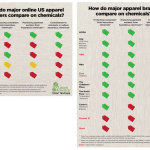
The Skip the Slip scorecard graded companies on their current progress, including whether they offer digital receipts or receipt paper free of BPA and BPS.
“Since launching the Skip the Slip Campaign, the negative effects those little paper receipts have on customers, employees, communities, and the environment is now recognized by businesses big and small,” said Green America’s Climate Campaigns Director Dan Howells. “It is great that CVS, the largest drugstore chain in the US, has taken note and is substantially reducing the amount of paper receipts issued and ended the practice of issuing receipts coated in toxic chemicals.”
"Receipts may be small but their effect on our health and the environment is significant and solutions are readily available," said Joshua Martin, Director of the Environmental Paper Network-North America. "Retailers who are sustainability and public health leaders simply must eliminate the toxic coatings from their receipts that make them harmful to public health and unrecyclable, and avoid the wasteful and unnecessary use of forest resources by offering and encouraging digital and no-receipt options."
The updated Skip the Slip report details how consumption of thermal paper for receipts increased in the United States and worldwide prior to COVID-19, but decreased in 2020 due to the pandemic. Now that the pandemic’s impact on in-person shopping has lessened, consumption of receipt paper is increasing and projected to continue increasing.
Every year in the United States, receipt use consumes 3.6 million trees and over 10 billion gallons of water. Production and disposal of receipt paper generates unnecessary waste and emits the carbon equivalent of over 471,000 cars on the road. Receipts also pose health risks to people who are regularly in contact with them.
An estimated 93% of paper receipts are coated with Bisphenol-A (BPA) or Bisphenol-S (BPS), endocrine-disruptors which serve as color-developers to make the text appear on receipts. The chemical coating is absorbed through the skin and is linked to fetal development issues, reproductive impairment, type 2 diabetes, thyroid conditions, and other health concerns.
In 2021, Green America surveyed Americans on receipt preferences and found that 86% of respondents want retailers to offer digital receipts. Nearly half had already signed up for digital receipts and cited that they prefer digital receipts because of the environment and ease of receipt storage. On average, respondents stated they throw away or lose 49% of the paper receipts they receive, even ones they intended to keep.
ABOUT GREEN AMERICA
Green America is the nation’s leading green economy organization. Founded in 1982, Green America provides the economic strategies, organizing power and practical tools for businesses, investors, and consumers to solve today’s social and environmental problems. http://www.GreenAmerica.org
Contacts
MEDIA CONTACT: Max Karlin for Green America, (703) 276-3255, or mkarlin@hastingsgroup.com.