SqlDBM Achieves SOC 2 Type II Compliance for Secure and Operationally Effective Cloud Services
SqlDBM Achieves SOC 2 Type II Compliance for Secure and Operationally Effective Cloud Services
SaaS platform for data warehouse modeling and design, SqlDBM, achieves SOC 2 Type II compliance
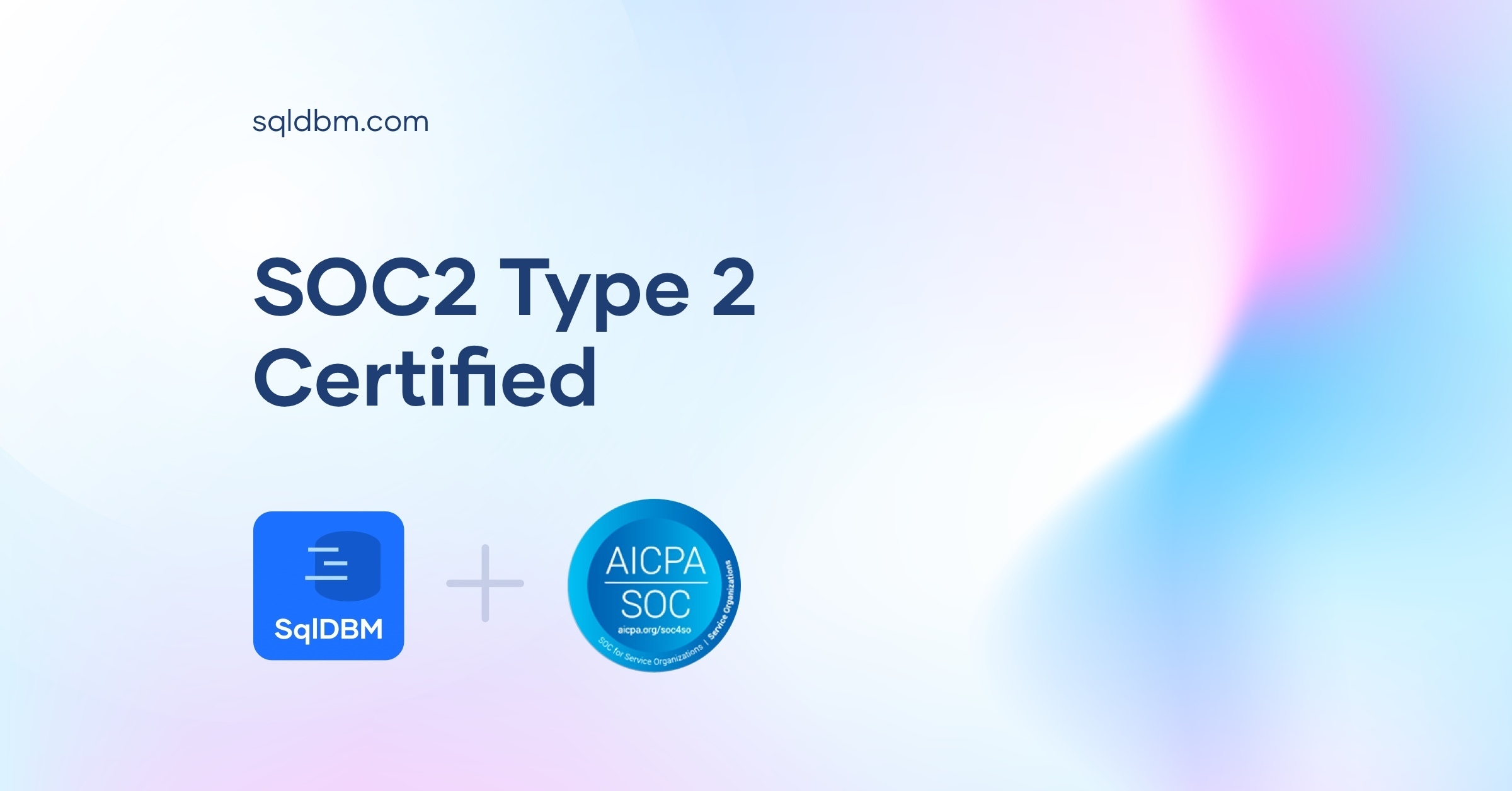
SAN DIEGO, Calif.--(BUSINESS WIRE)--SqlDBM, the maker of the leading browser-based, cloud-hosted database modeling tool of the same name, is excited to announce that it has achieved Service Organization Control (SOC) 2 Type II compliance. With this compliance, SqlDBM meets the five American Institute of Certified Public Accountants (AICPA) Trust Services Criteria for internal controls relevant to security, availability, processing integrity, confidentiality, and privacy.
Dansa D’Arata Soucia LLP (DDS), a full-service CPA firm based in Buffalo, New York, conducted the audit. Having worked with DDS on their SOC 2 Type I audit only a year prior, SqlDBM proves their ongoing commitment to safeguarding customer data and ensuring operational effectiveness.
Thousands of customers from all over the world trust SqlDBM to store and maintain their database designs. For this reason, the team at SqlDBM is committed to giving their customers the assurance that their intellectual property and knowledge repositories are secured to the highest industry standards.
“This is a very important milestone in the company’s history, which helps us solidify market leadership, '' said Anna Abramova, Head of Growth. "SqlDBM has already proven itself as a top choice cloud service provider for enterprise data architecture teams. This certification demonstrates our commitment to the principles of trust, privacy, and data protection on which our customers depend."
More information about SqlDBM can be found at: https://sqldbm.com
About SqlDBM
SqlDBM’s mission is to provide a modern cloud-based modeling solution that enables customers to layout or create their business warehouse without writing a single line of code. SqlDBM supports leading cloud-based database providers like Snowflake, Azure Synapse, Redshift, and on-premise solutions like Postgres and SQL Server. Using an online visual interface, users can diagram their entire database through reverse engineering, create new objects, make changes, and add properties without writing SQL. SqlDBM provides additional features that facilitate data governance, data discovery (data dictionary), and communication between business and technical users.
Contacts
Contact Information
Serge Gershkovich
SqlDBM Head Technical Writer
clients@sqldbm.com