Solect Energy Details How Rooftop Solar Site Leases Create Long-Term Revenue for Commercial Property Owners
Solect Energy Details How Rooftop Solar Site Leases Create Long-Term Revenue for Commercial Property Owners
New guide outlines how rooftop solar site leases convert unused rooftop space into predictable long-term income for commercial property owners
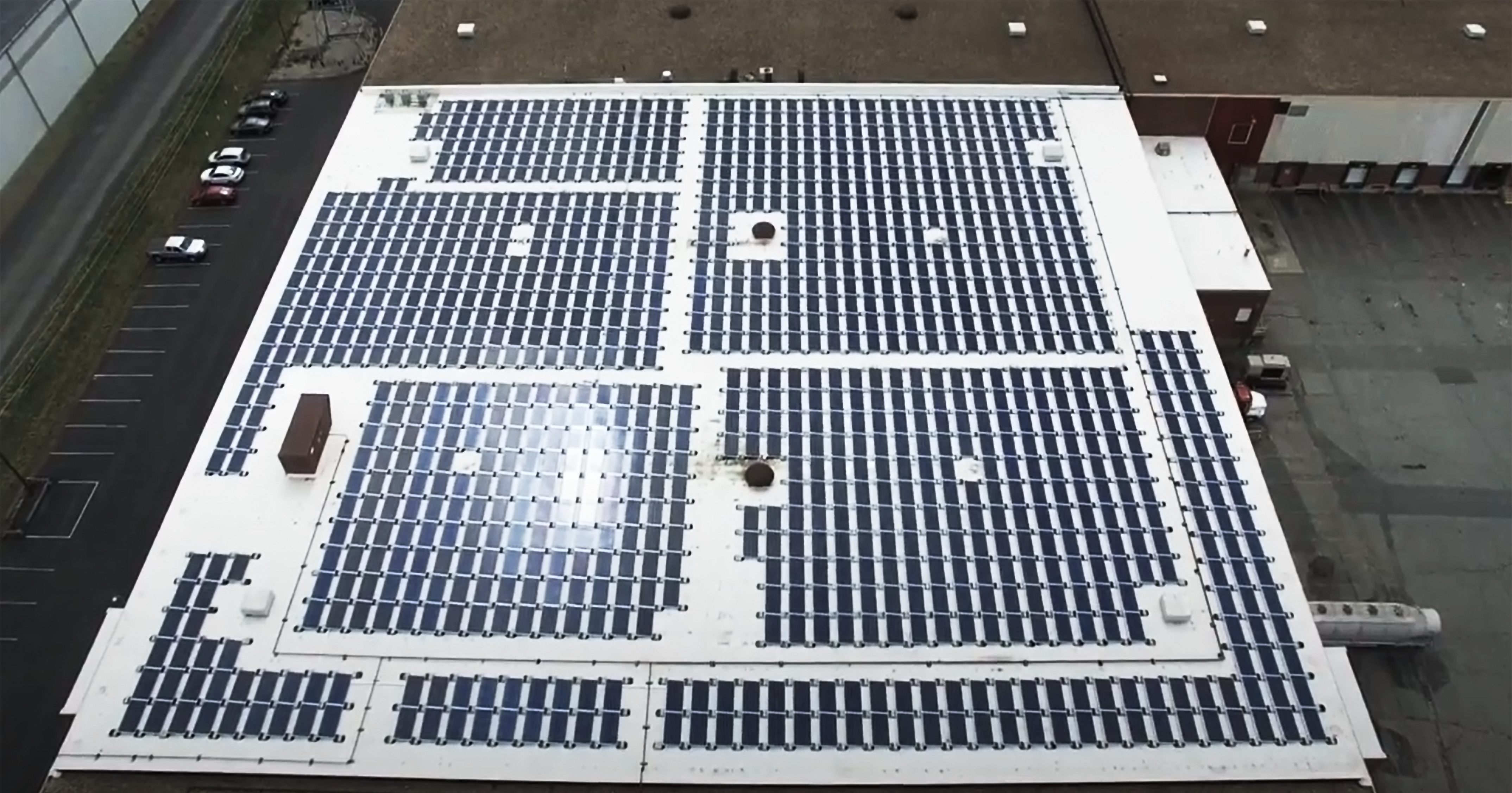
BOSTON--(BUSINESS WIRE)--Property owners seeking new revenue opportunities without deploying capital may find an overlooked asset directly overhead. Solect Energy has published an article outlining how rooftop solar site leases allow commercial and industrial property owners to generate long-term, contractually defined income from unused rooftop space.
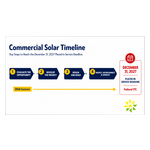
Solar project timing can influence eligibility for 30% federal ITC, development flexibility and financial outcomes.
Share
As commercial property owners seek new ways to strengthen net operating income and enhance asset performance, rooftop solar site leases are emerging as a practical strategy for generating long-term, non-operational income. The structure aligns with long-term property strategy without disrupting business operations.
The article, “Rooftop Solar Site Leases: A New Revenue Stream for Commercial Property Owners” explains how third-party rooftop commercial solar lease structures transform non-revenue-producing roof space into a 20–25 year income stream.
Under a rooftop solar site lease, a solar developer leases the rooftop, finances and installs the solar energy system, and manages long-term operations and maintenance. Property owners retain full ownership and control of their buildings while receiving predictable lease payments. Because the system occupies rooftop space only, tenant operations, interior square footage, and parking areas remain unaffected.
“Rooftop solar site leases function much like a long-term tenant occupying otherwise unused space,” said Matt Shortsleeve, SVP of Policy & Marketing at Solect Energy. “For many property owners, it represents a practical way to generate stable income without capital investment or additional operational complexity.”
Properties best suited for rooftop solar site leases often include industrial and warehouse properties, flex and distribution facilities, and large retail buildings with significant usable roof area and long-term site control.
The article also discusses current federal incentive considerations, including eligibility for the 30% federal Investment Tax Credit (ITC) under existing “Safe Harbor” provisions. Project timing can influence eligibility, development flexibility and financial outcomes.
The full article, detailing lease structure, qualification criteria, and federal incentive considerations, is available here: Rooftop Solar Site Leases: A New Revenue Stream for Commercial Property Owners
About Solect Energy
Founded in 2009 and headquartered in Hopkinton, Massachusetts, Solect Energy is a nonresidential solar and energy storage developer and integrator serving the Northeast. A Pattern Energy company, Solect provides comprehensive services spanning design, development, installation, financing, and long-term asset management, including operations and maintenance.
Contacts
Media
Elaine Vescio
Senior Marketing Manager
Solect Energy
evescio@solect.com