AI Glasses Market Poised to Hit 10 Million Units in 2026, Omdia Forecasts
AI Glasses Market Poised to Hit 10 Million Units in 2026, Omdia Forecasts

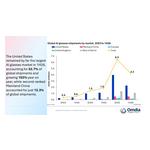
LONDON--(BUSINESS WIRE)--The AI glasses market is on track to experience strong growth, with shipments expected to increase by 158%, reaching 5.1 million units globally in 2025 according to new research from Omdia. By 2026, the market is expected to exceed 10 million units, driven by increased participation from leading consumer technology vendors such as Google, and Xiaomi, and is projected to reach 35 million units by 2030, representing a compound annual growth rate (CAGR) of 47% from 2025 to 2030.
“Integrating intelligence into everyday glasses has the potential to transform the way we experience daily life,” said Omdia Research Director Jason Low.
Share
“Integrating intelligence into everyday glasses has the potential to transform the way we experience daily life,” said Omdia Research Director Jason Low. “Unlike wrist-worn wearable band devices, AI glasses encounter challenges such as privacy concerns from built-in cameras and microphones, as well as social resistance to all-day wear. These factors may hinder widespread adoption beyond early enthusiasts in the short term.”
“Meta has emerged as the trailblazer for AI glasses. Its collaboration with EssilorLuxottica and the Ray-Ban brand has been pivotal, transforming what was once seen as a geeky, tech-heavy concept into a product with mainstream appeal,” commented Qiran Ju, Senior Analyst at Omdia. “The combination of EssilorLuxottica’s distribution power and Ray Ban’s cultural cachet provided the breakthrough earlier smart glasses attempts, such as Google Glass, lacked.”
China is expected to become the second largest market for AI glasses after the US, with shipments projected to reach 1.2 million units in 2026, representing 12% of the global shipment share. The country stands out for its distinct ecosystem which features strong participation from major internet companies, smart device vendors, and emerging players. The unique market environment and the rapid commercialization of GenAI technology will create a strong foundation for the growth of AI glasses in China.
AI glasses vendors are increasingly seeking to keep users locked into their own ecosystems and AI platforms. However, this strategy risks limiting the devices’ overall utility. “A truly platform- and device-agnostic AI could transform AI glasses into an essential everyday tool. But to achieve this, AI must accompany users everywhere - a major business and technical challenge for vendors,” added Low.
Omdia defines AI glasses as head-worn devices that incorporate on-device and/or cloud-based LLMs to deliver contextual information and assistance. These glasses use a multimodal interface - typically voice and vision - to interpret the user’s surroundings and provide relevant outputs, such as audio responses or subtle visual overlays.
ABOUT OMDIA
Omdia, part of Informa TechTarget, Inc. (Nasdaq: TTGT), is a technology research and advisory group. Our deep knowledge of tech markets grounded in real conversations with industry leaders and hundreds of thousands of data points, make our market intelligence our clients’ strategic advantage. From R&D to ROI, we identify the greatest opportunities and move the industry forward.
Contacts
Fasiha Khan: fasiha.khan@omdia.com