Feinstein Institutes Study Warns of Looming Nationwide Shortage of General Internal Medicine Doctors
Feinstein Institutes Study Warns of Looming Nationwide Shortage of General Internal Medicine Doctors
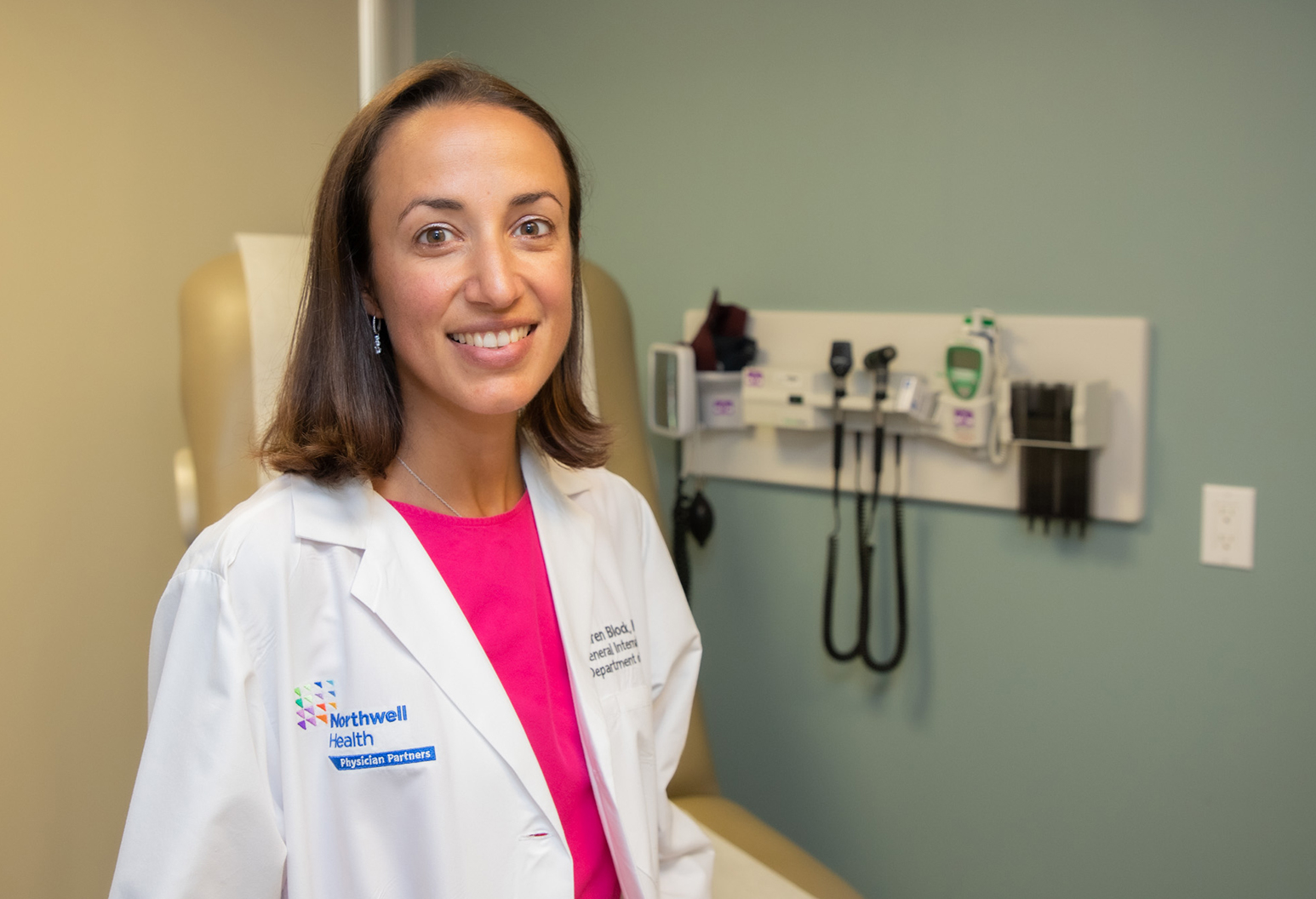
MANHASSET, N.Y.--(BUSINESS WIRE)--There might be a lack of General Internal Medicine (GIM) physicians by the year 2032, which could cause implications for health care and delivery across the United States. A new study published in JAMA Internal Medicine from researchers at the Feinstein Institutes for Medical Research suggests that half as many resident doctors are electing general internal medicine careers compared to 10 years ago.
The American Association of Medical Colleges projects a shortage of up to 48,000 primary care physicians over the next decade. Currently, IM residents account for 24 percent of all active U.S. residents, which shows that a decrease in residents looking for a career in GIM could have a negative impact on the future of physician workforce.
“Primary care providers are having difficulty recruiting students and residents into primary care careers,” said Lauren Block, MD, MPH, professor in the Institute of Health System Science at the Feinstein Institutes, general internist and senior author on the paper. “Our study shows this trend is consistent nationally, which is likely to have a serious impact on our aging population and the overall health of our nation.”
Using national data provided by the American College of Physicians, Dr. Block and other Northwell Health physician-researchers, including Nancy LaVine MD, Rosemarie Conigliaro, MD, Jason Ehrlich, MD, and Aisha Khan, MD, analyzed the number of primary care track GIM residents from 2019 through 2021. The authors found that compared to 10 years prior, the percentage of graduating GIM residents planning a career in general internal medicine as of recent years decreased by almost half, while hospital medicine (HM) has risen in popularity. The study, which included 61,991 residents, also showed that there was a higher percentage of male residents at 58 percent.
The study examined potential reasons for the decrease in GIM interest, from workload to compensation, work-life balance and documentation pressures, and suggests that more needs to be done to encourage residents to pursue careers in general internal medicine.
“Dr. Block and her team’s research reveals that significantly fewer doctors are choosing general internal medicine as a career choice,” said Kevin J. Tracey, MD, president and CEO of the Feinstein Institutes and Karches Family Distinguished Chair in Medical Research. “We need additional research and resources to better understand how to reverse this trend.”
GIM physicians, also known as internists or doctors of internal medicine, are experts in complexity who specialize in adult medicine, and are specially trained to solve diagnostic problems, manage severe long-term illnesses and help patients with multiple, complex chronic conditions.
About the Feinstein Institutes
The Feinstein Institutes for Medical Research is the home of the research institutes of Northwell Health, the largest health care provider and private employer in New York State. Encompassing 50 research labs, 3,000 clinical research studies and 5,000 researchers and staff, the Feinstein Institutes raises the standard of medical innovation through its five institutes of behavioral science, bioelectronic medicine, cancer, health system science, and molecular medicine. We make breakthroughs in genetics, oncology, brain research, mental health, autoimmunity, and are the global scientific leader in bioelectronic medicine – a new field of science that has the potential to revolutionize medicine. For more information about how we produce knowledge to cure disease, visit http://feinstein.northwell.edu and follow us on LinkedIn.
Contacts
Julianne Mosher Allen
516-880-4824
jmosherallen@northwell.edu