Novel investigational postpartum depression pill showed rapid and significant improvement in depressive symptoms in Phase 3 clinical trial
Novel investigational postpartum depression pill showed rapid and significant improvement in depressive symptoms in Phase 3 clinical trial
Led by Northwell Health’s The Feinstein Institutes for Medical Research, results from the SKYLARK Study of zuranolone in PPD published in The American Journal of Psychiatry
MANHASSET, N.Y.--(BUSINESS WIRE)--Approximately one in eight women experience perinatal or postpartum depression (PPD) and current treatment options can take months for new mothers to find symptom relief, if ever. Today, The Feinstein Institutes for Medical Research at Northwell Health announced the publication of the results from the SKYLARK Study, a phase 3 placebo-controlled clinical trial of an investigational oral, 14-day neuroactive steroid zuranolone (50mg) pill in the treatment of PPD. The results showed rapid, clinically meaningful improvements in depressive symptoms at measured time points –supporting the potential for U.S. Food and Drug Administration (FDA) approval of the first oral, at-home, neuroactive steroid therapy to treat PPD.
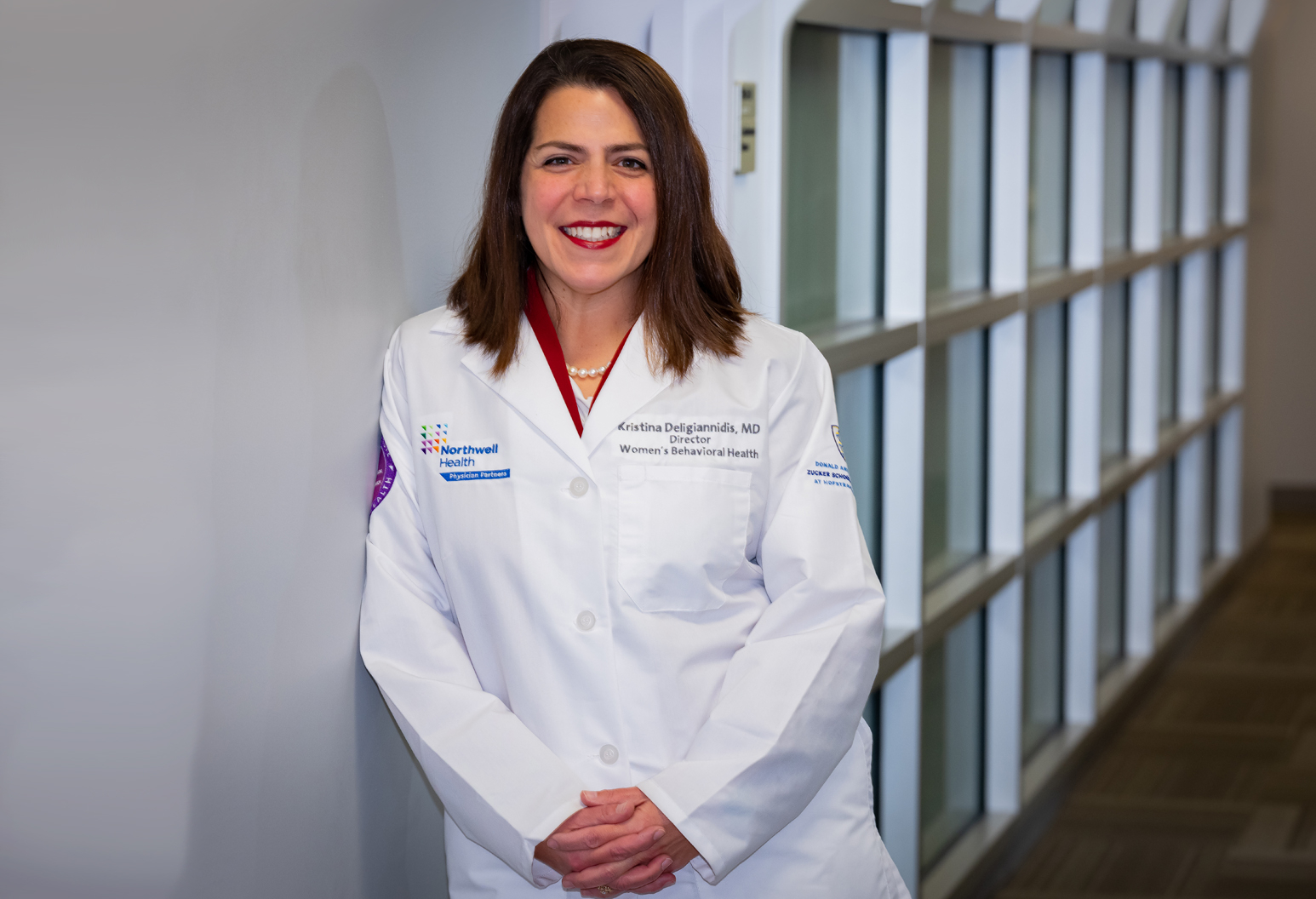
The trial was led by Kristina M. Deligiannidis, MD, professor at the Institute of Behavioral Science at the Feinstein Institutes, who, with colleagues, published their findings in The American Journal of Psychiatry. Fourteen-day oral, at-home, treatment with zuranolone versus placebo resulted in statistically significant improvement in depressive symptoms, as measured by change from baseline in HAMD-17 total score. At day 15, the study’s primary outcome measure, with statistically significant improvement in depressive symptoms, reported as early as day 3 (after two doses) and with improvements sustained at all measured time points through day 45. Results showed that 57 percent of the women taking zuranolone versus 38 percent of women taking placebo experienced a 50 percent or more improvement in their depressive symptoms at day 15. At day 45, 61.9 percent of the trial participants who received zuranolone compared to 54.1 percent of women receiving placebo, experienced a 50 percent or more improvement in their depressive symptoms. The study's most common treatment-emergent adverse events (>5 percent in the zuranolone 50 mg arm) were somnolence, dizziness, sedation, headache, diarrhea, nausea, urinary tract infection and COVID-19.
“Postpartum depression is underrecognized, undertreated and disruptive for those who live with the condition. We collaborate with researchers around the world in an effort to develop more rapid and effective therapies for the many women who need support,” said Dr. Deligiannidis, the trial’s principal investigator, lead author of the paper and director of Women’s Behavioral Health at Zucker Hillside Hospital. “We have been working on neuroactive steroid research in PPD for nearly 15 years. The SKYLARK study follows previous successful clinical trials, and publishing its results is a pinnacle moment in treating postpartum depression.”
Among the 200 enrolled patients and randomized diverse patients screened across international clinical sites, 196 female patients between ages 18 to 45 with postpartum major depressive episodes received the blinded study drug. Zuranolone (50 mg) or placebo was given once daily for 14 days and the patient’s depressive symptoms were evaluated at several defined points in the study for 45 days.
In 2021, Dr. Deligiannidis reported the publication of the phase 3 results of the ROBIN Study, which was published in the Journal of the American Medical Association (JAMA) Psychiatry. The trial demonstrated the improvement in depressive symptoms with zuranolone at 30 mg versus placebo in patients with PPD and that zuranolone was generally well tolerated. Based on those results, the team began to study the safety and efficacy of 50 mg of zuranolone.
Evidence suggests that PPD is partly due to a disruption in the normal interaction between the nervous system’s stress response, ɣ-aminobutyric acid (GABA) signaling, and neuroactive steroids (NAS). The SKYLARK and ROBIN clinical trials provide some of the most substantial results for improving depressive symptoms in women with PPD.
“Dr. Deligiannidis is a leader in postpartum depression medical research,” said Kevin J. Tracey, MD, president and CEO of the Feinstein Institutes, Karches Family Distinguished Chair in Medical Research. “These clinical trial results are evidence that years of perseverance and dedication lead to significant advances in medicine.”
The Feinstein Institutes and Dr. Deligiannidis also pioneer research methods to diagnose and treat perinatal depression – depression before and after childbirth. She received more than $4 million in multi-year grants to use non-invasive brain imaging to study how the condition develops in women and to develop novel treatments, including bright light therapy, sleep modification and non-invasive vagus nerve stimulation to treat major depressive disorders.
About the Feinstein Institutes
The Feinstein Institutes for Medical Research is the research arm of Northwell Health, the largest health care provider and private employer in New York State. Home to 50 research labs, 3,000 clinical research studies and 5,000 researchers and staff, the Feinstein Institutes raises the standard of medical innovation through its five institutes of behavioral science, bioelectronic medicine, cancer, health innovations and outcomes, and molecular medicine. We make breakthroughs in genetics, oncology, brain research, mental health, autoimmunity, and are the global scientific leader in bioelectronic medicine – a new field of science that has the potential to revolutionize medicine. For more information about how we produce knowledge to cure disease, visit http://feinstein.northwell.edu and follow us on LinkedIn.
Contacts
Matthew Libassi
631-793-5325
mlibassi@northwell.edu