New Research: Digital Trust Is Integral to Innovation and Resilience, But Major Gaps Threaten Business Operations and Reputations
New Research: Digital Trust Is Integral to Innovation and Resilience, But Major Gaps Threaten Business Operations and Reputations

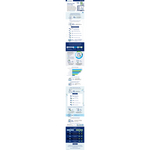
ISACA surveyed more than 8,100 professionals worldwide who hold assurance, governance, risk, security or privacy roles to learn how enterprises are approaching digital trust. Additional insights are available in the ISACA State of Digital Trust 2023 report at www.isaca.org/state-of-digital-trust. (Graphic: ISACA)
BOSTON--(BUSINESS WIRE)--Digital trust can make or break an organization. With increased data breaches, ransomware and hacks, digital trust can be the difference between retaining reputations and loyalty after a major incident or suffering serious, time-consuming and expensive losses. Business leaders can see how their organization measures with ISACA’s State of Digital Trust 2023 report, which reveals insights from 8,100 global digital trust professionals on digital trust benefits, obstacles, priorities, responsibilities and budgets.
Benefits of Digital Trust
According to the report, organizations with high levels of digital trust can gain tangible results, including positive reputation (67 percent), more reliable data for decision-making (57 percent), fewer privacy breaches (56 percent), fewer cybersecurity incidents (56 percent), stronger customer loyalty (55 percent), faster innovation due to confidence in their technology and systems (42 percent) and higher revenue (27 percent).
Measurement is a significant differentiator and leadership is driving this, 53 percent are confident in the digital trustworthiness of their organization, but this jumps to 81 percent among those that measure digital trust maturity.
Holistic Approach: Helping Reduce Obstacles, Reap Benefits
Security, risk, data integrity, privacy, governance, quality and assurance are key components of digital trust, but only half (51 percent) say there is sufficient collaboration among these fields. Only 24 percent are planning to increase budgets for digital trust activities, indicating that digital trust can help existing individual areas to work as a cohesive whole.
“As organizations move to a digital-first business model, trust is the essential component that must be earned before, during and after every interaction,” said Tracey Dedrick, Interim CEO of ISACA. “Digital trust is a holistic, organized approach and offers a new and integrated way for organizations to look at what they are already doing. Digital trust is an umbrella that ensures existing functions are operating in sync and in the most optimal manner to ensure others have trust in the organization. A digital trust framework that is aligned with enterprise goals is essential and can contribute to impactful positive outcomes."
While significant additional budget or headcount may not need to be allocated to digital trust, a holistic, organized approach and a digital trust framework that is aligned with enterprise goals can contribute to impactful positive outcomes.
“It is critical that boards and the C-suite be closely involved in ensuring digital trust is positioned as a top-tier strategic benefit,” said Dedrick.
Address Barriers
The top obstacles to attaining high levels of digital trust are lack of skills/training (52 percent), lack of leadership buy-in (42 percent), lack of alignment of digital trust and enterprise goals (42 percent), lack of budget (41 percent), digital trust not seen as a priority (38 percent) and lack of technological resources (38 percent). In 2023, 32 percent offer digital trust training to staff (29 percent in 2022), and 31 percent understand how their job role contributes to digital trust (28 percent in 2022).
Download a complimentary copy of State of Digital Trust 2023 at www.isaca.org/state-of-digital-trust. Register for a free survey webinar at https://store.isaca.org/s/community-event?id=a334w000005SLDgAAO.
About ISACA
ISACA® (www.isaca.org) is a global community advancing individuals and organizations in their pursuit of digital trust. For more than 50 years, ISACA has equipped individuals and enterprises with the knowledge, credentials, education, training and community to progress their careers, transform their organizations, and build a more trusted and ethical digital world. Through its foundation One In Tech, ISACA supports IT education and career pathways for underresourced and underrepresented populations.
Contacts
Emily Ayala, communications@isaca.org, +1.847.385.7223